正在确认阅读权限…
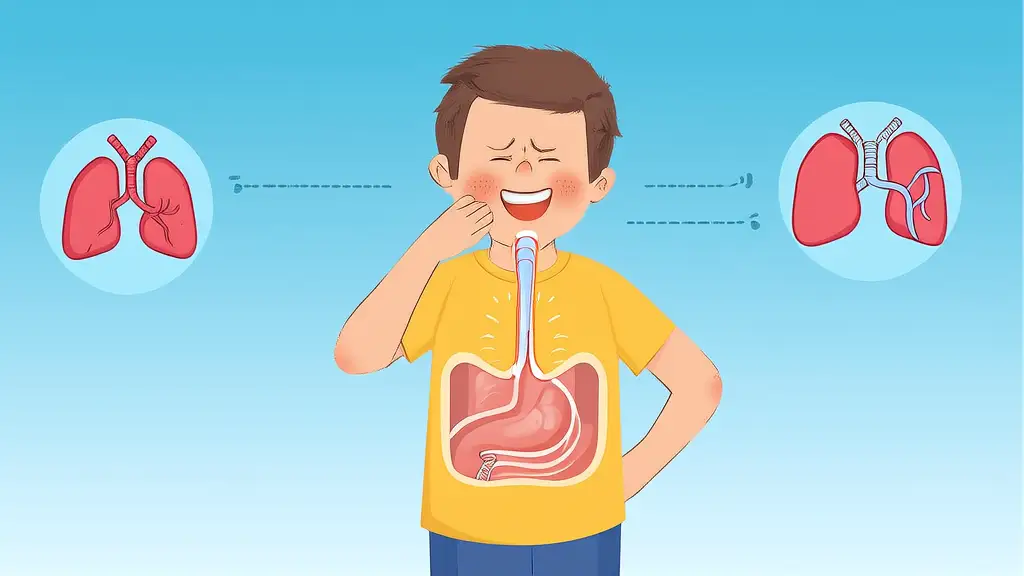
Why Do We Get Hiccups?
我们为什么会打嗝?
精读先不看文字,完整听一遍。
-
Hiccups happen when your diaphragm—the main breathing muscle—spasms suddenly.打嗝是由于主要呼吸肌——膈肌突然痉挛所致。
-
Each spasm pulls air quickly into your throat, making your vocal cords snap shut.每次痉挛都会使空气迅速吸入喉咙,导致声带猛然闭合。
-
That sharp closure creates the classic 'hic' sound we all recognize.这种急剧闭合产生了我们熟悉的‘嗝’声。
-
Common triggers include eating too fast, drinking carbonated drinks, or feeling nervous.常见诱因包括进食过快、饮用碳酸饮料或紧张焦虑。
-
Sometimes hiccups follow sudden temperature changes or excitement in children.有时儿童会因气温骤变或情绪激动而打嗝。
-
Most hiccups last only a few minutes and stop without treatment.多数打嗝仅持续几分钟,无需治疗即可自行停止。
-
Doctors think hiccups may help babies burp up air while feeding in the womb.医生认为,胎儿在子宫内进食时打嗝可能有助于排出吞入的空气。
-
Long-lasting hiccups (over 48 hours) are rare but need medical check-ups.持续超过48小时的顽固性打嗝虽罕见,但需就医检查。
-
Breathing into a paper bag or holding your breath can reset your breathing rhythm.用纸袋呼吸或屏气可帮助重置呼吸节律。
-
Scientists continue studying hiccup nerves to understand brain-body communication better.科学家正持续研究打嗝相关神经,以更深入理解脑与身体间的信号传递。
精读 · 大约 10 分钟
听 → 读 → 学表达 → 懂 → 今天会说这一句 → 跟读录音 → 自己说一句。
③ 学 · 重点表达
- Hiccups happen when your diaphragm—the main breathing muscle—spasms suddenly. 打嗝是由于主要呼吸肌——膈肌突然痉挛所致。
- Sometimes hiccups follow sudden temperature changes or excitement in children. 有时儿童会因气温骤变或情绪激动而打嗝。
- Scientists continue studying hiccup nerves to understand brain-body communication better. 科学家正持续研究打嗝相关神经,以更深入理解脑与身体间的信号传递。
④ 懂 · 选一选
⑤ 今天会说这一句
Hiccups happen when your diaphragm—the main breathing muscle—spasms suddenly.
⑥ 跟读并录音
Hiccups happen when your diaphragm—the main breathing muscle—spasms suddenly.
第一版:录下来、回听、再听标准音。系统打分以后再加。
⑦ 说 · 自己来一句
用今天的表达,自己说一句。
例子:Hiccups happen when your diaphragm—the main breathing muscle—spasms suddenly.
已记下。连续天数以后会显示在课表里。
陈老师指导
课程开发中,敬请期待。成人和孩子都可以先自学听读、精读。
这边的讲解音轨还在做。想先跟着老师走完固定 30 课,可以去陈老师带读社(和自学通行不是同一份会员)。
课程开发中,敬请期待。