正在确认阅读权限…
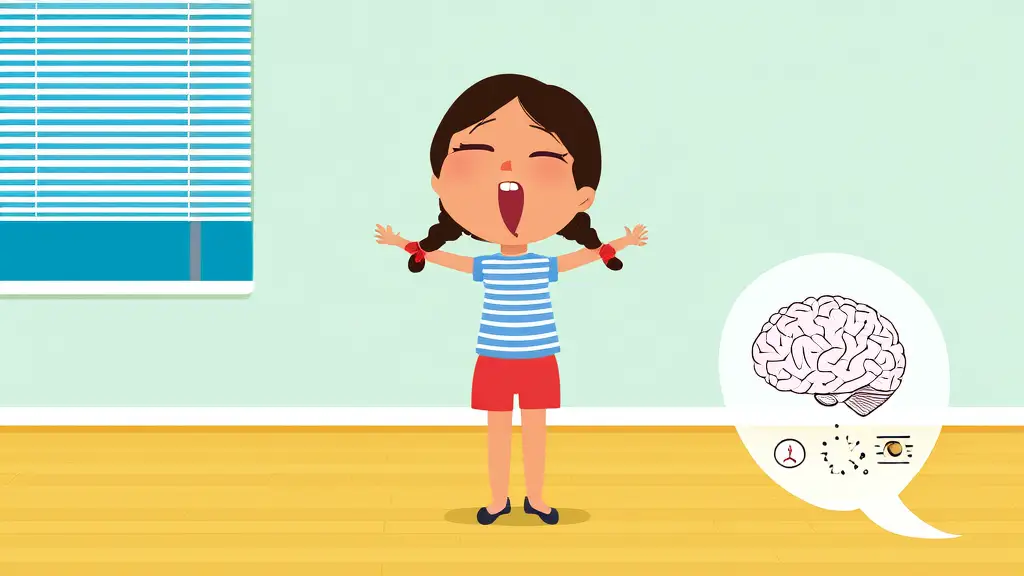
Why Do We Yawn?
我们为什么会打哈欠?
-
Yawning is a reflex that involves opening your mouth wide, inhaling deeply, and then exhaling slowly.打哈欠是一种反射动作,表现为张大嘴巴、深吸气,然后缓慢呼气。
-
Though often linked to tiredness or boredom, people also yawn when they’re stressed, waking up, or even before athletic performance.虽然常与疲倦或无聊相关,但人在压力大、刚醒来,甚至运动前也会打哈欠。
-
One widely supported theory says yawning helps cool the brain by increasing blood flow and bringing in cooler air.一种广受支持的理论认为,打哈欠通过增加血流和吸入较凉空气来为大脑降温。
-
Brain temperature rises slightly during mental effort, and yawning may act like a natural thermostat to keep it stable.大脑在用脑时温度会轻微上升,而打哈欠可能像天然恒温器一样维持其温度稳定。
-
Studies show people yawn more often in warmer rooms—and less when holding cold packs to their foreheads.研究表明,人在较热的房间中打哈欠更频繁;而将冷敷袋贴在额头上时则减少。
-
Contagious yawning, where seeing or hearing someone yawn triggers your own, appears in humans after age four and in some apes.看到或听到别人打哈欠后自己也跟着打——这种传染性打哈欠,通常在人类四岁后及某些类人猿中出现。
-
This social form of yawning may be tied to empathy and the ability to share emotional states with others.这种社交性打哈欠可能与共情能力及共享他人情绪状态的能力有关。
-
People with autism spectrum conditions yawn contagiously less often, supporting the empathy connection.自闭症谱系障碍人士较少出现传染性打哈欠,这支持了打哈欠与共情相关的假说。
-
Even dogs sometimes yawn after watching their owners yawn—a rare cross-species example of emotional mirroring.就连狗有时也会在看到主人打哈欠后跟着打哈欠——这是跨物种情绪镜像的罕见例子。
-
Despite centuries of study, scientists still haven’t confirmed one single cause, and multiple factors likely interact.尽管已研究数百年,科学家仍未确认单一成因,多种因素很可能共同作用。