正在确认阅读权限…
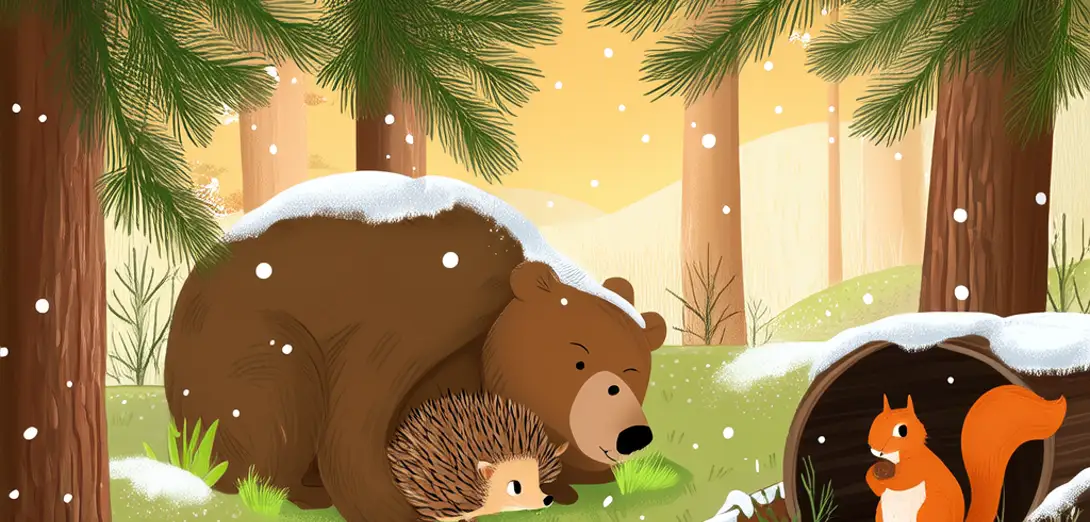
Why Do Some Animals Hibernate?
为什么一些动物会冬眠?
-
Hibernation is not just deep sleep — it’s a controlled state of metabolic slowdown that helps animals survive food shortages and extreme cold.冬眠不只是深度睡眠,而是一种受控的新陈代谢减缓状态,帮助动物度过食物短缺和极寒天气。
-
During hibernation, heart rate drops from 80 to as few as 5 beats per minute, and body temperature falls close to ambient levels.冬眠期间,心率从每分钟80次降至最低仅5次,体温也接近环境温度。
-
Bears lower their metabolism by 75%, yet unlike smaller mammals, they don’t eat, drink, urinate, or defecate for months.熊的新陈代谢降低75%,但与小型哺乳动物不同,它们数月内不吃、不喝、不排尿、不排便。
-
Their bodies recycle waste products: urea is converted back into proteins to prevent muscle loss — a trick scientists hope to adapt for human medicine.它们的身体能回收代谢废物:尿素被重新转化为蛋白质,防止肌肉流失——这一机制有望应用于人类医学。
-
True hibernators like ground squirrels enter torpor so deeply that they must shiver intensely to warm up again — a process taking hours.地松鼠等真正冬眠的动物进入极深度蛰伏状态,需剧烈颤抖数小时才能回暖。
-
Not all cold-season dormancy counts as hibernation; some frogs freeze solid and thaw unharmed thanks to natural antifreeze proteins in their blood.并非所有寒冷季节的休眠都算冬眠;有些青蛙体内含天然抗冻蛋白,可完全冻结后无损复苏。
-
Climate change is disrupting hibernation timing, causing mismatches between emergence and food availability — threatening survival.气候变化正扰乱冬眠节律,导致苏醒时间与食物供应错配,威胁生存。
-
Studying hibernation could lead to breakthroughs in treating obesity, diabetes, and long-duration space travel.研究冬眠可能为治疗肥胖、糖尿病及实现长期太空旅行带来突破。