正在确认阅读权限…
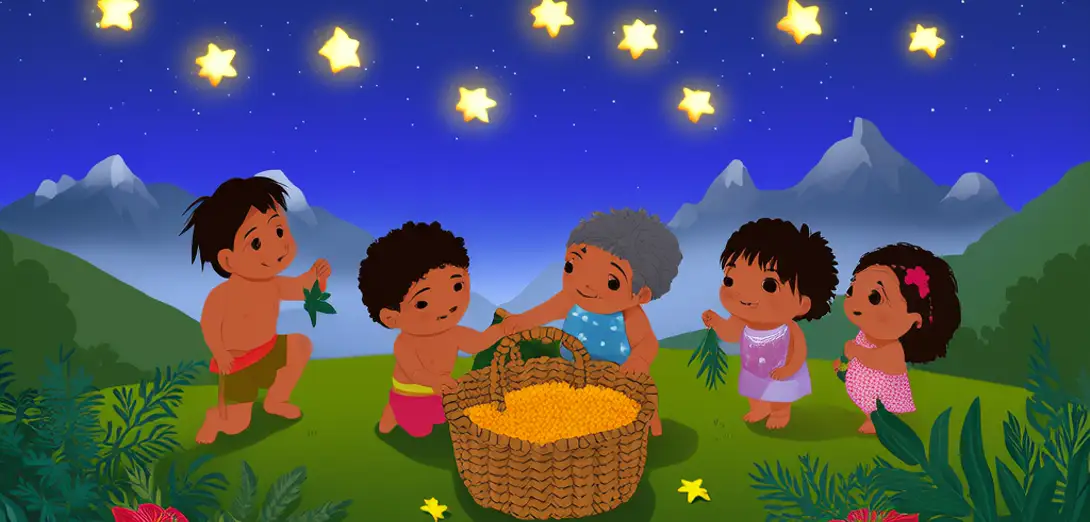
New Zealand’s Matariki: Star Rising, Shared Kūmara, and Memory Weaving
新西兰玛塔里基节:昴星团升起、共享甘薯与记忆编织
-
In late June, Māori families watch the pre-dawn sky for the return of the Matariki star cluster.六月下旬,毛利家庭会在黎明前仰望星空,迎接昴宿星团的回归。
-
They light small fires, share kūmara (sweet potato) cooked in earth ovens, and speak names of loved ones who passed.他们点燃小火堆,分享用土灶烤制的红薯,并念出逝去亲人的名字。
-
Children learn weaving patterns that represent rivers, mountains, and family lines in flax strips.孩子们学习用亚麻条编织代表河流、山脉和家族血脉的图案。
-
Schools host storytelling nights where elders describe how stars guided fishing boats and planting seasons.学校举办故事夜,长辈讲述星辰如何指引渔船航行和农耕时节。
-
Communities build temporary wharenui (meeting houses) decorated with feathers and carved wood.社区搭建临时会堂(wharenui),以羽毛和木雕装饰。
-
Young people plant native trees and promise to visit them each Matariki season for ten years.年轻人种植本土树木,并承诺未来十年每年毛利新年都来探望。
-
Families place photos and letters beside candles to honor those no longer physically present.家人将照片和书信置于烛旁,纪念已故亲人。
-
Musicians play pūtōrino flutes and sing waiata that name each of the nine Matariki stars.音乐家吹奏普托里诺笛,吟唱颂扬九颗昴宿星的歌曲。
-
Markets offer smoked fish, rewena bread, and honey from native bees collected in spring.市集售卖熏鱼、雷维纳面包,以及春季采集的本地蜂蜂蜜。
-
Matariki teaches that looking up at stars helps us remember who we are, where we come from, and who we carry forward.毛利新年提醒我们:仰望星辰,便能铭记自己是谁、来自何方,又将传承给谁。