正在确认阅读权限…
Vietnam’s Tết Nguyên Đán: Renewal, Ancestors, and Red Envelopes
越南春节:更新、祭祖与红包
-
Tết Nguyên Đán—the Vietnamese Lunar New Year—marks both agricultural renewal and deep ancestral reverence.越南农历新年(春节)既象征农业更新,也体现对祖先的深切敬仰。
-
Before Tết, families thoroughly clean homes, settle debts, and avoid arguments to welcome luck and harmony.春节前,家家户户彻底打扫房屋、结清债务、避免争执,以迎接好运与和谐。
-
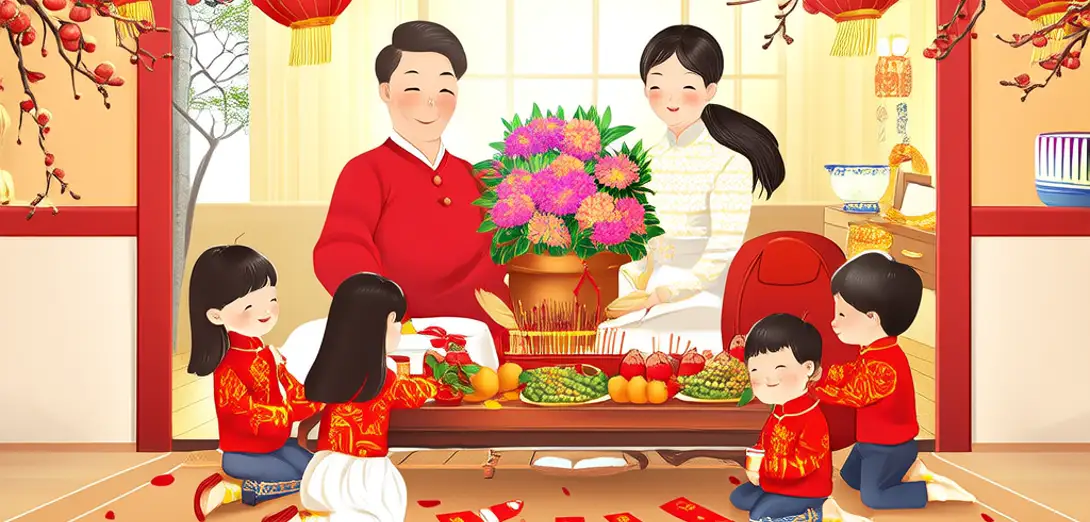
Ancestral altars are refreshed with incense, fruit, and sticky rice cakes called bánh chưng, wrapped in banana leaves.祖先祭坛重新布置,供奉香火、水果和用香蕉叶包裹的方形年糕(粽子)。
-
Children wear new áo dài—elegant silk tunics—and receive red envelopes containing lucky money from elders.孩子们穿上崭新的奥黛——优雅的丝绸长衫,并从长辈手中接过装有压岁钱的红包。
-
Each envelope must contain an even number of bills, never four, since the word for ‘four’ sounds like ‘death’ in Vietnamese.每个红包里的钞票必须为偶数张,绝不能是四张,因越南语中‘四’与‘死’谐音。
-
Firecrackers were banned in cities for safety, so families now use electronic versions or drum ensembles instead.出于安全考虑,城市已禁止燃放鞭炮,如今家庭改用电子鞭炮或鼓乐表演替代。
-
The first visitor of the new year—xông đất—must embody kindness and success, shaping the household’s fortune.新年首位登门访客(‘冲年’)须品性良善、事业有成,其特质将影响全家整年运势。
-
Street markets overflow with peach blossoms in the north and apricot flowers in the south, signaling regional identity.街头集市上,北方盛放桃花,南方绽放杏花,彰显地域文化认同。
-
Overseas Vietnamese hold virtual Tết reunions, sharing recipes and teaching grandchildren to fold dumplings online.海外越侨举办线上春节团聚,共享食谱、在线教孙辈包饺子。
-
More than celebration, Tết is a living grammar of respect, balance, and hope passed down in daily gestures.春节远不止于庆祝,它更是一套鲜活的礼仪语法,借日常举止代代相传——承载敬意、平衡与希望。