正在确认阅读权限…
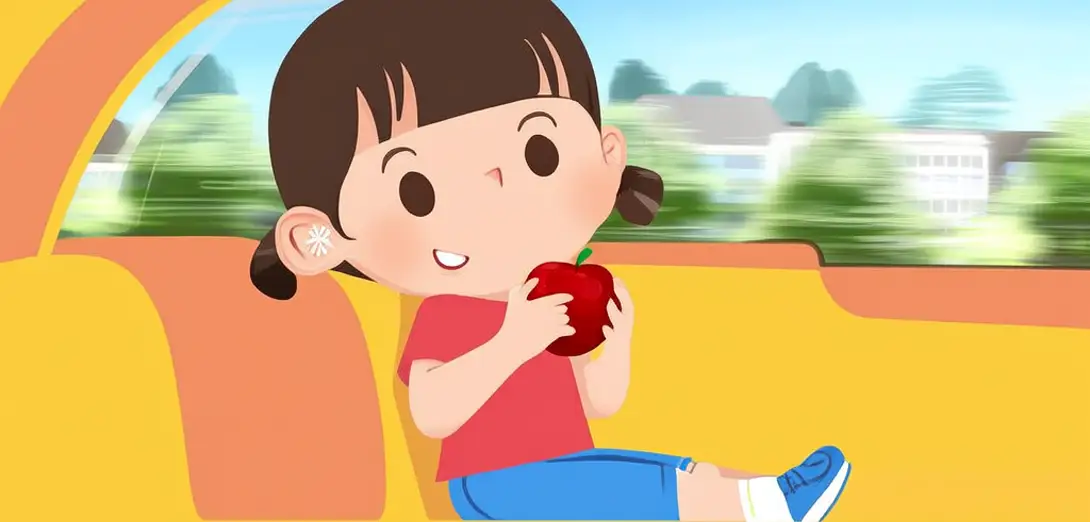
Why Do People Get Carsick?
人为什么会晕车
-
Carsickness happens when your eyes, inner ears, and muscles send conflicting signals to your brain.晕车是由于眼睛、内耳和肌肉向大脑传递了相互矛盾的信号所致。
-
While riding in a car, your eyes may focus on a still book or phone screen.乘车时,你的眼睛可能盯着静止的书本或手机屏幕。
-
But your inner ear senses motion as the vehicle speeds up, slows down, or turns.但你的内耳却感知到车辆加速、减速或转弯产生的运动。
-
Your body’s sensory mismatch tricks your brain into thinking you might be poisoned.身体感官信息不一致会让大脑误以为你可能中毒了。
-
This triggers nausea, sweating, dizziness, and sometimes vomiting as a defense response.这会引发恶心、出汗、头晕,有时甚至呕吐,作为防御反应。
-
Children aged 2–12 are especially prone because their balance systems are still developing.2至12岁的儿童尤其容易晕车,因为他们的平衡系统尚未发育成熟。
-
Looking out the front window helps match visual input with motion sensed by the inner ear.望向挡风玻璃前方有助于让视觉输入与内耳感知的运动保持一致。
-
Taking breaks, breathing fresh air, or chewing ginger can reduce symptoms for many people.休息片刻、呼吸新鲜空气或嚼姜可缓解许多人的症状。
-
Medications like dimenhydrinate work by blocking signals between the inner ear and brain.苯海拉明等药物通过阻断内耳与大脑之间的信号来起效。
-
Unlike seasickness, carsickness rarely lasts long after the ride ends.与晕船不同,晕车通常在下车后不会持续太久。