正在确认阅读权限…
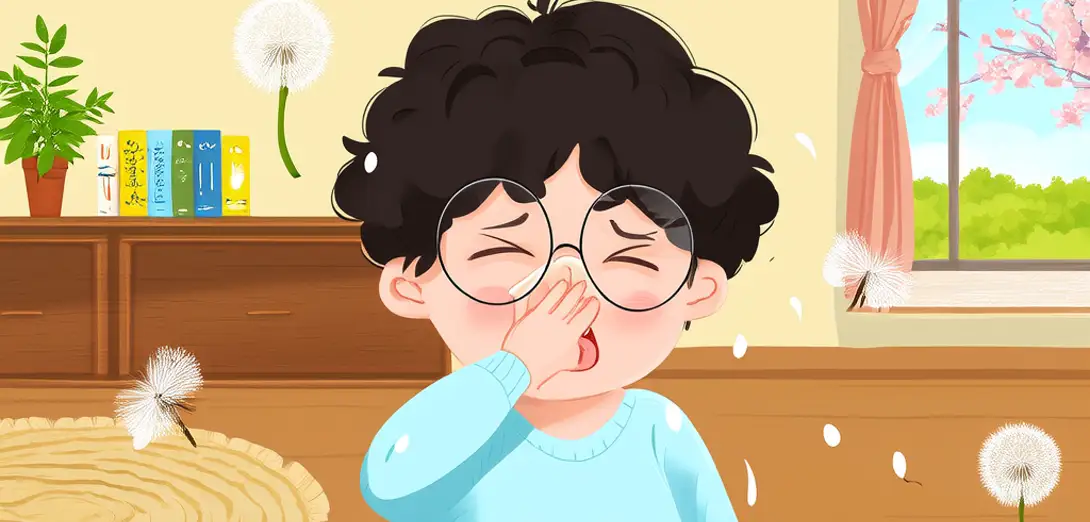
Your Nose Sends an Emergency Signal
鼻子发出紧急信号,你就打喷嚏
-
When dust, pollen, or cold air tickles your nasal passages, nerves send a fast alert.当灰尘、花粉或冷空气刺激鼻腔时,神经会迅速发出警报。
-
Your brain tells your lungs to take a deep breath and push air out hard.大脑指令肺部深吸一口气,再用力呼出。
-
Muscles in your chest, throat, and face all squeeze together in one quick motion.胸部、喉咙和面部的肌肉在瞬间同时收缩。
-
That rush of air shoots out at over 100 miles per hour to clear irritants.这股气流以超过每小时100英里的速度喷出,以清除刺激物。
-
Your eyes close automatically during the sneeze to protect them from germs.打喷嚏时眼睛会自动闭上,以保护眼睛免受细菌侵袭。
-
Covering your mouth with your elbow helps stop tiny droplets from flying far.用肘部遮住口鼻,可防止飞沫远距离传播。
-
Some people sneeze when they walk into bright sunlight — scientists call this the photic reflex.有些人一走到阳光下就打喷嚏,科学家称之为“光反射”。
-
Sneezing too often might mean allergies or a cold is starting.频繁打喷嚏可能是过敏或感冒初期的表现。
-
It’s polite to say 'Excuse me' right after you sneeze in public places.在公共场所打喷嚏后,礼貌地说声‘抱歉’。
-
Doctors suggest washing hands often because sneezes spread germs easily.医生建议勤洗手,因为喷嚏极易传播病菌。