正在确认阅读权限…
Why Do We Still Need Middlemen Online?
电商与中间商
-
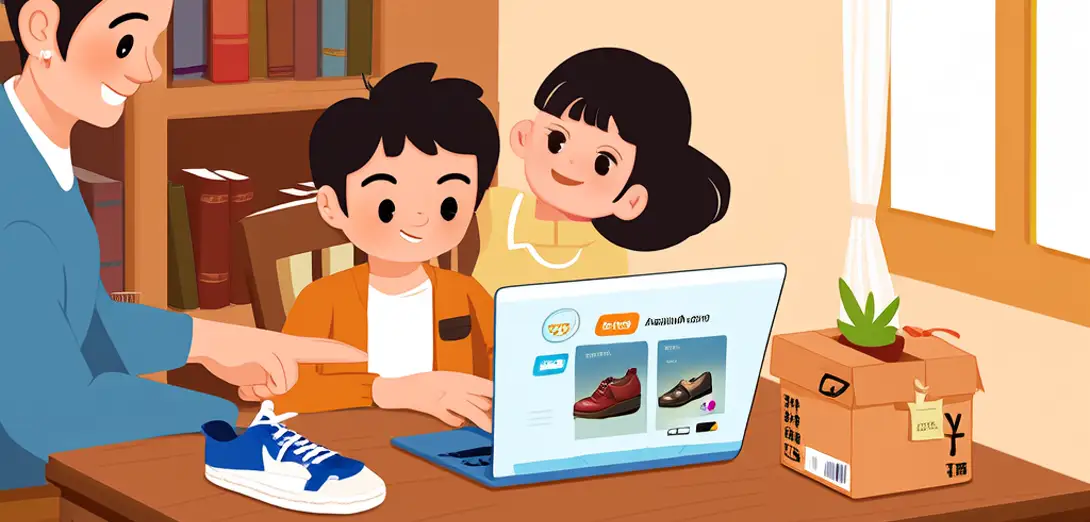
You order shoes directly from a factory website—but most online purchases still go through platforms like Amazon or Taobao.你直接从工厂官网订购鞋子,但大多数网购仍需通过亚马逊或淘宝等平台。
-
These platforms handle payments, reviews, returns, and even customer service—tasks small sellers struggle to manage alone.这些平台负责支付、评价、退货,甚至客服——而小型卖家往往难以独自承担这些工作。
-
They also help buyers compare prices, check seller ratings, and feel safer before clicking ‘buy’.它们还帮买家比价、查看卖家评分,让消费者在点击‘购买’前更有安全感。
-
Still, their fees (often 10–25%) reduce what small makers earn per sale.不过,它们收取的佣金(通常为10%–25%)压缩了小厂商每单的实际收入。
-
Some brands now use social media to sell directly—but they must build trust, logistics, and support themselves.一些品牌如今借助社交媒体直接销售,但需自行建立信任、物流与售后支持。
-
Middlemen haven’t disappeared; they’ve just changed shape—from local shopkeepers to digital gatekeepers.中间商并未消失,只是改变了形态——从本地店主变为数字守门人。
-
What hasn’t changed is their core job: reducing uncertainty between strangers doing business.不变的是其核心职能:降低陌生人之间交易的不确定性。
-
The real question isn’t ‘Are middlemen useful?’ but ‘Who controls the rules—and who benefits most?’真正的问题不是‘中间商是否有用?’,而是‘谁制定规则?谁获益最多?’