正在确认阅读权限…
Why Does One Apartment Cost More Than a House?
城市房价与土地供给
-
In crowded cities, land is scarce—but the problem isn’t just how much exists, it’s how much is allowed to be built.在人口稠密的城市,土地稀缺——但问题不仅在于土地总量,更在于允许建造多少。
-
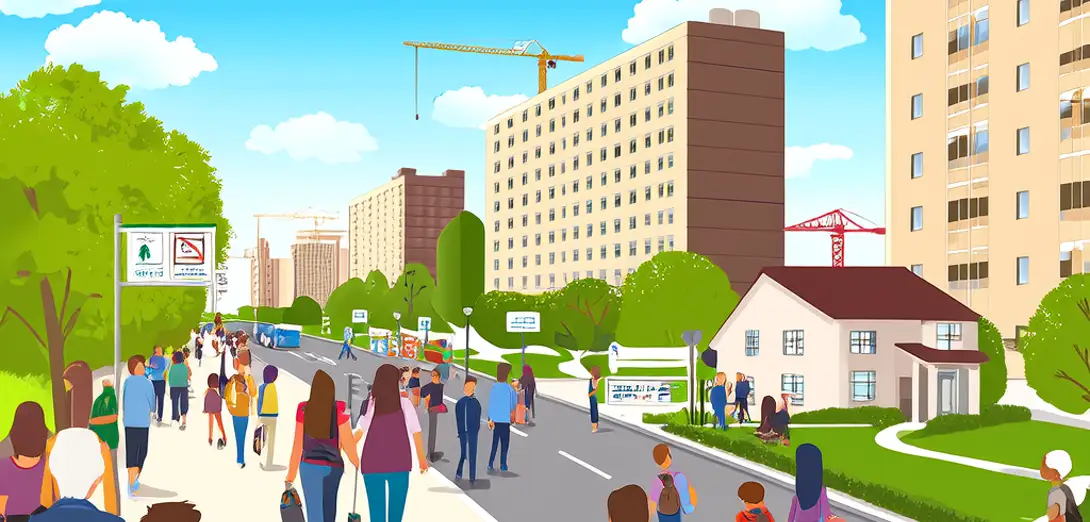
Zoning laws often block apartments near subways or shops, forcing families into distant suburbs with long commutes.分区法规常禁止在地铁站或商铺附近修建公寓,迫使家庭迁往偏远郊区,通勤时间漫长。
-
When cities restrict new housing, prices rise faster than incomes—even if construction costs stay flat.当城市限制新增住房供应时,房价上涨速度会超过收入增速,即便建筑成本保持不变。
-
Tokyo builds freely and keeps rents relatively stable; San Francisco tightly controls height and density, pushing prices skyward.东京自由建设,租金相对稳定;旧金山则严格管控建筑高度与密度,推高房价。
-
More homes don’t automatically mean cheaper ones—but too few homes *guarantees* rising costs for everyone.增加住房供给未必自动压低价格,但住房严重短缺必然导致所有人生活成本上升。
-
Local governments collect property taxes, so expensive homes boost budgets—but renters and young workers pay the hidden cost.地方政府依靠房产税增收,高价房产充实财政预算,但租户和年轻劳动者承担了隐性代价。
-
Fixing housing isn’t only about builders or banks; it starts with rules about what can stand where.解决住房问题不仅关乎开发商或银行,更始于对‘何处可建何物’的规则调整。
-
Land isn’t just dirt—it’s permission, policy, and power shaped over decades.土地不只是泥土——更是数十年来由许可、政策与权力共同塑造的产物。