正在确认阅读权限…
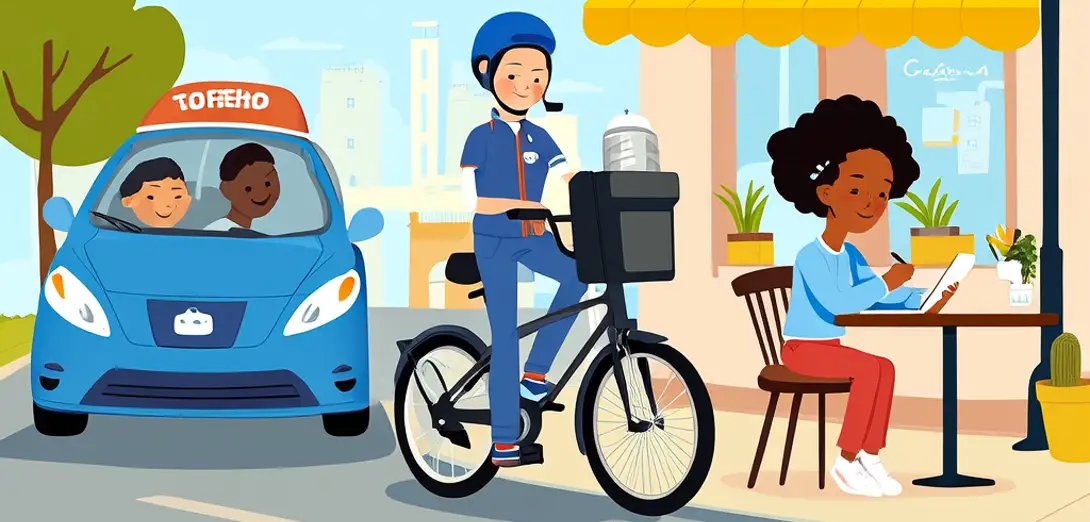
Gig Work: Flexible Hours, Uncertain Safety Nets
零工经济与保障
-
Rideshare drivers, food couriers, and freelance designers enjoy choosing when and where to work.网约车司机、外卖骑手和自由设计师可以自主选择工作时间和地点。
-
But they rarely get paid sick days, health insurance, or retirement plans—benefits tied to traditional full-time jobs.但他们很少享有带薪病假、医疗保险或退休计划——这些福利通常与传统全职工作挂钩。
-
Some platforms classify workers as ‘independent contractors’ to avoid legal duties like minimum wage or overtime.一些平台将劳动者归类为‘独立承包商’,以规避最低工资、加班费等法定义务。
-
New laws in California and the EU now require platforms to offer basic protections—or reclassify workers as employees.加州和欧盟出台的新法规要求平台提供基本保障,或重新将劳动者认定为雇员。
-
Workers themselves organize apps, co-ops, and mutual aid groups to fill gaps in official safety nets.劳动者自发开发应用程序、组建合作社和互助小组,弥补官方社会保障体系的不足。
-
Flexibility shouldn’t mean fragility; the challenge is updating labor rules designed for factories to fit digital marketplaces.灵活性不应等于脆弱性;挑战在于将为工厂时代设计的劳动规则更新,以适配数字市场。
-
One delivery app now lets riders pool funds for emergency medical support—no employer needed.某家配送应用现已允许骑手共同出资建立紧急医疗援助基金,无需雇主参与。
-
The goal isn’t to stop gig work, but to ensure it supports dignity—not just convenience.目标不是阻止零工经济,而是确保它支撑人的尊严,而不仅仅是便利。