正在确认阅读权限…
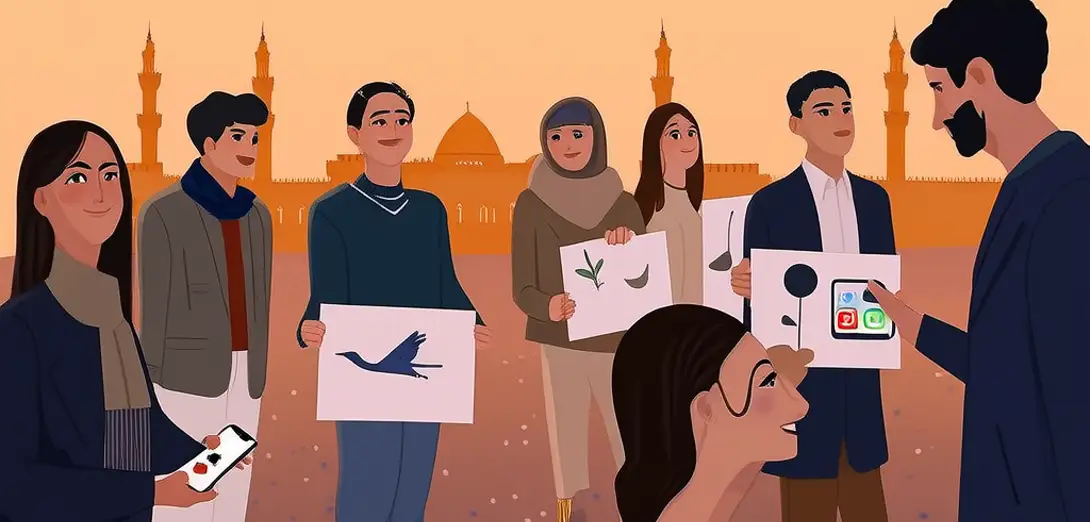
Tahrir Square Tweets: Hashtags That Toppled Palaces
解放广场的推文:撼动宫殿的话题标签
-
On January 25, 2011, Egyptian activists used Facebook events and Twitter hashtags to organize protests in Cairo’s Tahrir Square.2011年1月25日,埃及活动人士利用Facebook活动和Twitter话题标签,在开罗解放广场组织抗议。
-
Young Tunisians had already ousted President Ben Ali using similar tools, proving social media could accelerate regime change.年轻的突尼斯人已借助类似工具推翻总统本·阿里,证明社交媒体可加速政权更迭。
-
State TV dismissed protesters as 'foreign agents', but citizens filmed police violence and uploaded raw footage online.国家电视台将抗议者斥为‘外国代理人’,但民众拍摄警察暴力画面并上传原始视频至网络。
-
Al Jazeera broadcast live from Tahrir, turning local chants into regional rallying cries heard from Sana’a to Damascus.半岛电视台从解放广场进行现场直播,将本地口号转化为从萨那到大马士革广泛传播的区域动员口号。
-
Syrian dissidents created coded hashtags to avoid government detection while coordinating underground meetings in Aleppo.叙利亚异见人士创建加密话题标签,以规避政府监控,同时在阿勒颇秘密协调地下集会。
-
Bahraini authorities shut down mobile networks entirely during protests, revealing how vital connectivity had become to collective action.巴林当局在抗议期间彻底切断移动网络,凸显连通性对集体行动的关键作用。
-
Saudi clerics issued fatwas condemning Twitter activism as 'undermining obedience to rulers', showing religious institutions adapting to digital dissent.沙特宗教领袖发布教令,谴责推特行动主义‘破坏对统治者的服从’,显示宗教机构正适应数字异议。
-
When Egypt’s Mubarak cut off internet access for five days, tech volunteers built mesh networks using Bluetooth and dial-up modems.埃及穆巴拉克切断互联网达五天,技术志愿者随即用蓝牙和拨号调制解调器搭建网状网络。
-
Western governments praised the 'Facebook Revolution', yet overlooked how labor unions, lawyers, and mosque networks sustained the movement offline.西方政府盛赞‘脸书革命’,却忽视了工会、律师及清真寺网络在线下持续支撑运动。
-
Social media didn’t cause the Arab Spring—but it rewired how ordinary people claimed public space, memory, and voice.社交媒体并非阿拉伯之春的起因,却重塑了普通人如何争取公共空间、记忆与话语权。