正在确认阅读权限…
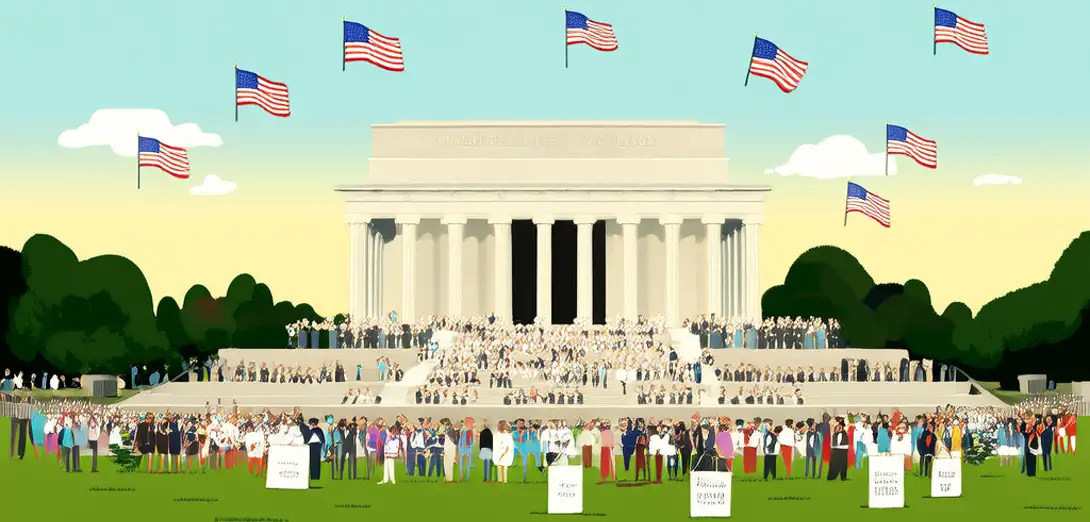
Marching Toward Law: Civil Rights and the U.S. Constitution
走向法律的游行:民权运动与美国宪法
-
In 1963, over 250,000 people gathered at the Lincoln Memorial to demand equal rights under law.1963年,逾25万人齐聚林肯纪念堂,要求法律下的平等权利。
-
Dr. King’s speech did not just inspire—it pressured lawmakers to act on long-ignored promises.金博士的演讲不仅鼓舞人心,更迫使立法者履行长期被忽视的承诺。
-
The Civil Rights Act of 1964 banned segregation in public places and employment discrimination.1964年《民权法案》禁止公共场所种族隔离和就业歧视。
-
Voting Rights Act of 1965 removed literacy tests and poll taxes that had silenced Black voters for decades.1965年《投票权法案》废除了使黑人选民沉默数十年的读写测试和人头税。
-
Federal courts began enforcing constitutional rights more actively after these landmark laws passed.这些里程碑式法律通过后,联邦法院开始更积极地执行宪法权利。
-
Grassroots organizers trained citizens to document abuses, file complaints, and testify before Congress.基层组织者培训公民记录侵权行为、提交申诉,并在国会作证。
-
Even so, legal victories did not instantly change daily life in Birmingham or Selma.即便如此,法律胜诉并未立即改变伯明翰或塞尔玛民众的日常生活。
-
Schools in Atlanta started integrating slowly, often amid protests and federal marshals’ presence.亚特兰大各学校开始缓慢推进校内融合,常伴随抗议及联邦法警现场监督。
-
Today, students study these laws alongside oral histories from marchers who carried handmade signs.如今,学生一边学习这些法律,一边研读当年举着自制标语牌游行者的口述史。
-
The Constitution remained unchanged—but its meaning expanded through courage, not amendment.宪法条文未变——但其内涵借由勇气得以拓展,而非修宪。