正在确认阅读权限…
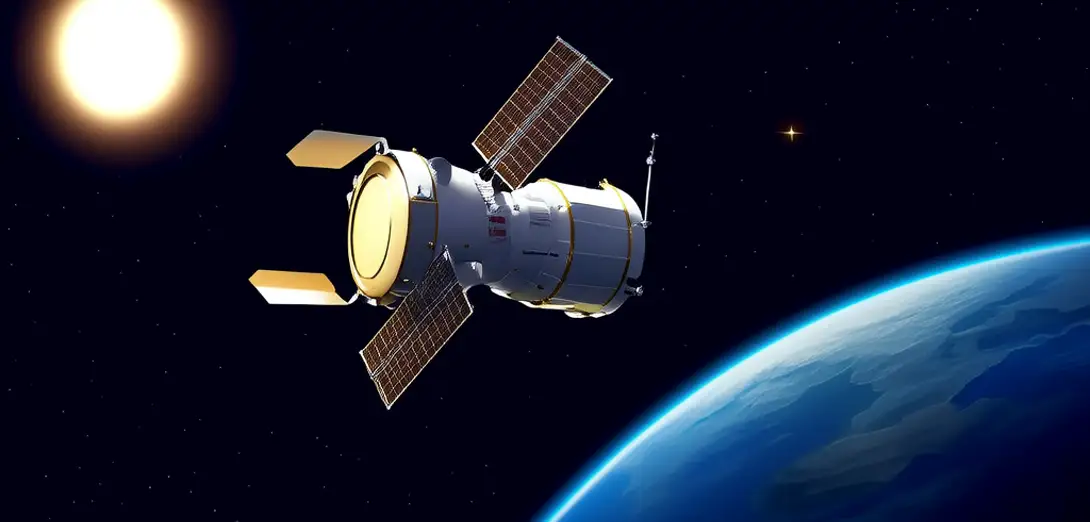
Why the Webb Telescope Lives at a Lagrange Point
韦布望远镜为何放在拉格朗日点
-
The James Webb Space Telescope orbits not around Earth, but near the Sun-Earth L2 point — one of five stable gravitational zones.詹姆斯·韦布空间望远镜并非绕地球运行,而是位于日地系统L2拉格朗日点附近——五个稳定引力区域之一。
-
At L2, the telescope stays in constant alignment with Earth and the Sun, allowing its sunshield to block heat and light from both bodies.在L2点,望远镜始终与地球和太阳保持相对固定位置,使其遮阳板能同时屏蔽二者辐射的热量与光线。
-
This position keeps its infrared sensors extremely cold, which is essential for detecting faint heat signals from distant galaxies.该位置使红外探测器保持极低温,这对捕捉遥远星系发出的微弱热信号至关重要。
-
Unlike Hubble, which circles Earth every 95 minutes, Webb’s L2 orbit minimizes fuel use and avoids frequent eclipses.与每95分钟绕地球一圈的哈勃望远镜不同,韦布在L2的轨道大幅减少燃料消耗,并避开频繁的日食和地影。
-
Gravitational forces at L2 balance perfectly, so only tiny thruster adjustments are needed to maintain position over years.L2点的引力精确平衡,仅需微小推力调整即可长期维持位置。
-
Engineers chose L2 because it offers an unobstructed, thermally stable view of deep space — critical for observing cosmic origins.工程师选择L2点,因其能提供无遮挡、热环境稳定的深空视野,对探索宇宙起源至关重要。
-
Although L2 is 1.5 million kilometers away, communication remains reliable via NASA’s Deep Space Network antennas.尽管L2点距地球150万公里,仍可通过NASA深空网络天线实现可靠通信。
-
No human maintenance is possible there, so Webb was designed for full autonomy and redundancy before launch.该位置无法实施人工维护,因此韦布在发射前即被设计为完全自主且具备多重冗余。