正在确认阅读权限…
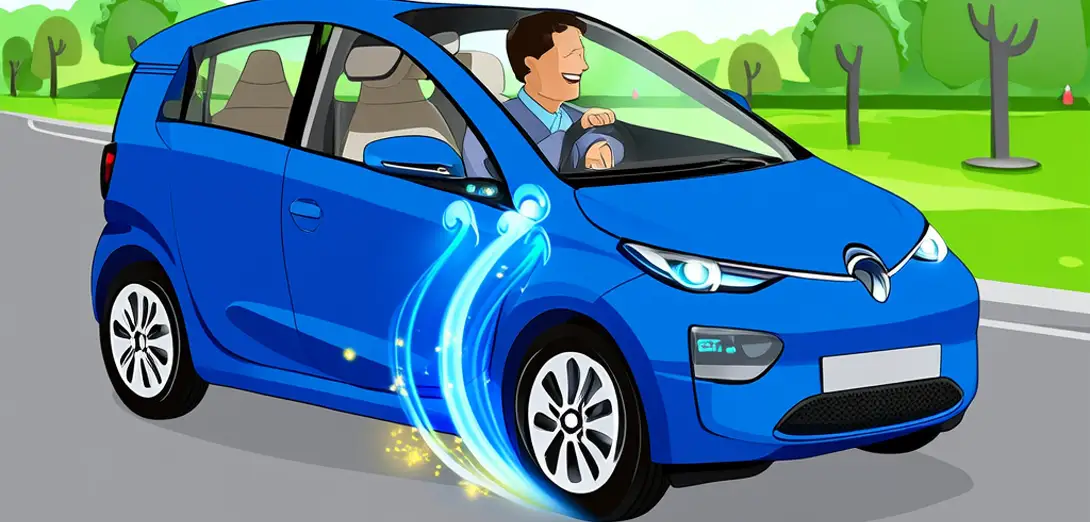
Regenerative Braking in Electric Vehicles
电动汽车能量回收制动
-
When an EV driver lifts off the accelerator, the electric motor switches into generator mode, converting kinetic energy back into stored electricity.当电动车驾驶员松开加速踏板时,电动机自动切换为发电机模式,将动能重新转化为电能储存起来。
-
This captured energy flows through power electronics into the battery, extending range by 5–15% depending on driving conditions.回收的电能经电力电子装置流入电池,视驾驶条件不同,可延长续航5%–15%。
-
Unlike friction brakes that waste energy as heat, regenerative braking recovers usable power — especially effective in stop-and-go city traffic.与靠摩擦将能量以热能形式浪费掉的传统刹车不同,能量回收制动可重新利用能量——在频繁启停的城市路况下尤为高效。
-
Drivers feel mild deceleration without touching the brake pedal, a feature known as ‘one-pedal driving’ in many modern EVs.驾驶员无需踩刹车踏板即可感受到轻微减速,这一功能在许多现代电动车中被称为‘单踏板驾驶’。
-
Brake blending software seamlessly combines regenerative and hydraulic braking to ensure consistent, predictable stopping power at all speeds.刹车融合软件无缝协调能量回收与液压刹车,确保全速域内制动响应一致、可预测。
-
Cold temperatures reduce battery acceptance, so regen strength is automatically lowered when cells are below 10°C to protect longevity.低温会降低电池充电接受能力,因此当电芯温度低于10°C时,系统自动减弱能量回收强度以保护电池寿命。
-
Energy recovery systems also cool batteries slightly during charging, helping thermal management without extra components.能量回收系统在充电过程中还能轻微冷却电池,辅助热管理,无需额外部件。
-
While not replacing traditional brakes entirely, regen significantly cuts brake pad wear and lowers maintenance costs over the vehicle’s lifetime.尽管无法完全取代传统刹车,但能量回收显著减少刹车片磨损,降低车辆全生命周期的维保成本。