正在确认阅读权限…
Nanomaterials and Self-Cleaning Surfaces
纳米材料与自清洁表面
-
Self-cleaning surfaces often use titanium dioxide nanoparticles that become photocatalytic when exposed to UV light from sunlight.自清洁表面常采用二氧化钛纳米颗粒,阳光中的紫外线可使其具备光催化活性。
-
These activated nanoparticles break down organic dirt, bacteria, and air pollutants like nitrogen oxides into harmless molecules.这些被激活的纳米颗粒能将有机污垢、细菌及氮氧化物等空气污染物分解为无害分子。
-
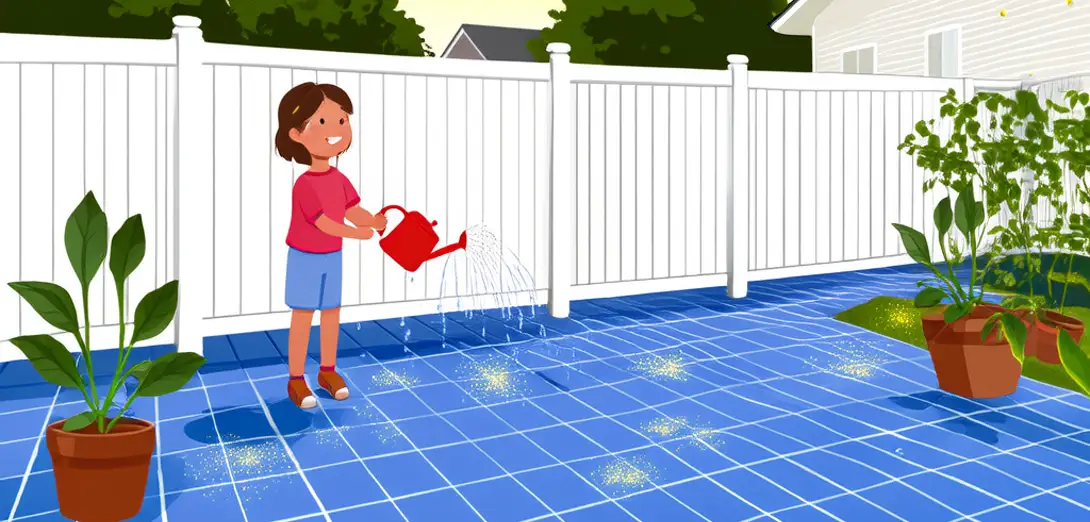
Water sprayed on such coatings forms nearly spherical beads due to superhydrophobicity, rolling off and carrying away dust effortlessly.喷洒在该涂层上的水因超疏水性而近乎呈球状,轻松滚落并带走灰尘。
-
Manufacturers embed nanostructures — like microscopic pillars or grooves — into paint, glass, or textiles to create this effect.制造商将纳米结构(如微小柱状或沟槽状结构)嵌入涂料、玻璃或纺织品中以实现这一效果。
-
Buildings in Tokyo and Rome use nano-coated tiles that stay cleaner for years, cutting maintenance costs and scaffolding needs.东京和罗马的建筑使用纳米涂层瓷砖,多年保持洁净,降低了维护成本和脚手架需求。
-
In hospitals, nano-treated fabrics resist stains and microbes, reducing laundering frequency and cross-contamination risks.医院中经纳米处理的织物耐污抗菌,减少了洗涤频次和交叉污染风险。
-
Durability remains a challenge: abrasion, chemical cleaners, or prolonged UV exposure can gradually degrade nano-coatings.耐久性仍是挑战:摩擦、化学清洁剂或长期紫外线照射会逐渐削弱纳米涂层。
-
Researchers now develop bio-inspired versions mimicking lotus leaves or shark skin to improve longevity and eco-safety.研究人员正开发仿生版本,模仿荷叶或鲨鱼皮结构,以提升持久性和生态安全性。
-
Regulatory agencies assess nanoparticle release during wear or washing to ensure no harmful accumulation in water or soil.监管机构评估材料在使用或洗涤过程中纳米颗粒的释放情况,确保其不会在水体或土壤中造成有害累积。
-
While not magic, these surfaces demonstrate how precisely engineered materials at atomic scales deliver practical, everyday benefits.尽管并非魔法,这些表面却展示了原子尺度精准设计的材料如何带来切实可行的日常益处。