正在确认阅读权限…
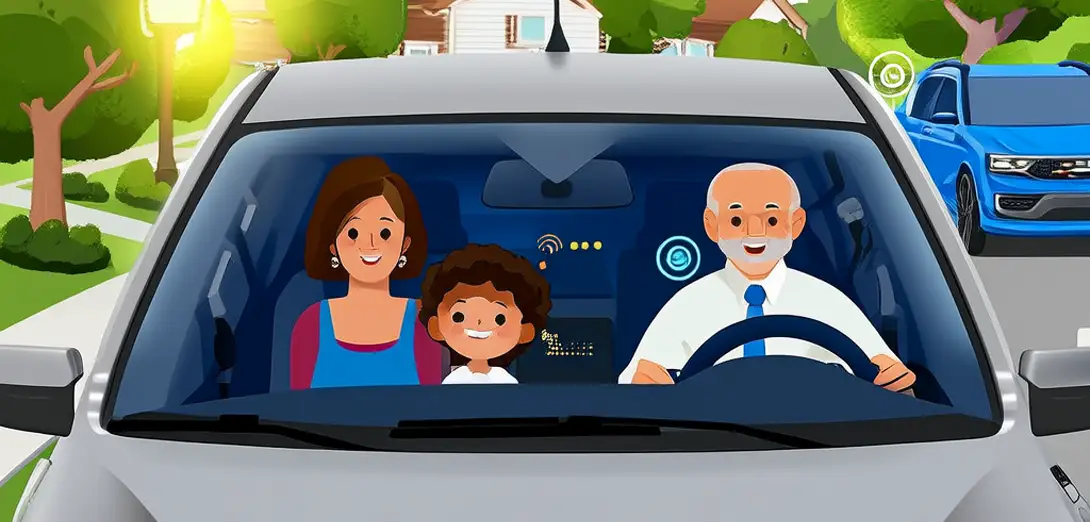
Connected Cars and the Privacy Risks of Driving Data
联网汽车与驾驶数据的隐私风险
-
Modern cars collect location, speed, braking force, cabin temperature, and even voice commands via built-in sensors and telematics.现代汽车通过内置传感器和远程信息处理系统收集位置、车速、制动力、座舱温度,甚至语音指令。
-
This data flows wirelessly to manufacturers’ servers for diagnostics, updates, and insurance analytics.这些数据通过无线方式传输至制造商服务器,用于故障诊断、软件更新及保险分析。
-
Some insurers offer discounts if drivers consent to sharing real-time behavior, but opt-out options are often buried in menus.部分保险公司为同意共享实时驾驶行为的车主提供保费折扣,但退出选项常被隐藏在菜单深处。
-
Third-party apps linked to car APIs may access and resell anonymized trip histories without clear user consent.接入汽车API的第三方应用可能在未获用户明确同意的情况下获取并转售匿名化行程记录。
-
Even anonymized GPS traces can be re-identified when combined with public map data or known routines.即使经过匿名处理的GPS轨迹,一旦与公开地图数据或已知日常路线结合,仍可能被重新识别。
-
Hackers who breach vehicle networks could track movements or disable safety features remotely.黑客若攻破车辆网络,可远程追踪车辆行踪或禁用安全功能。
-
Regulations like GDPR require transparency and purpose limitation, yet enforcement remains inconsistent globally.GDPR等法规要求数据处理透明且目的受限,但全球执行力度仍不一致。
-
Manufacturers rarely let users delete stored driving logs permanently or download raw data easily.制造商极少允许用户永久删除存储的驾驶日志,或便捷下载原始数据。
-
Privacy-by-design approaches—like on-device processing and local data deletion—are still rare in most car models.隐私优先设计(如车载本地处理与数据即时删除)在多数车型中仍属罕见。
-
Drivers should review privacy settings regularly and disable nonessential data sharing by default.驾驶员应定期检查隐私设置,并默认关闭非必要数据共享。