正在确认阅读权限…
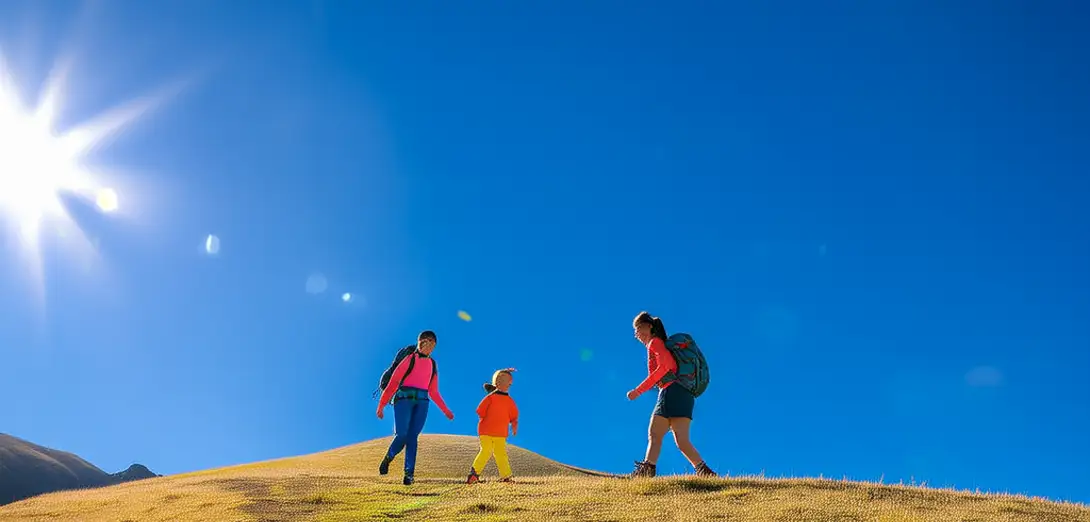
Why the Sky Looks Bluer at High Altitudes
为什么天空在高海拔更蓝
-
Sunlight contains all colors, but blue light scatters more easily than red in Earth’s atmosphere.阳光包含所有颜色,但蓝光在地球大气中比红光更容易散射。
-
At sea level, thick air scatters blue light multiple times, mixing it with other colors slightly.在海平面,浓密的空气多次散射蓝光,使其略微与其他颜色混合。
-
Higher up, there is less atmosphere above you, so scattering happens less frequently.海拔越高,上方大气越稀薄,散射发生得越少。
-
That means more pure blue light reaches your eyes without being diluted by scattered white light.这意味着更多纯净的蓝光直接进入你的眼睛,未被散射的白光稀释。
-
Also, fewer dust particles and water vapor exist at altitude to diffuse the light further.此外,高海拔处尘埃颗粒和水蒸气更少,进一步减少了光线的扩散。
-
Mountaineers often notice the sky appears deeper and richer in blue near mountain peaks.登山者常发现,靠近山顶的天空显得更深、更浓郁的蓝色。
-
Polarized sunglasses enhance this effect by reducing glare from scattered light.偏光太阳镜通过减少散射光造成的眩光来增强这一效果。
-
This bluer hue confirms that Rayleigh scattering depends strongly on air density.这种更蓝的色调证实了瑞利散射对空气密度高度敏感。
-
Airplanes flying at cruising altitude see an even more intense azure sky.飞机在巡航高度飞行时,看到的天空呈现更强烈的天蓝色。
-
The change reminds us how much our view depends on the invisible layer surrounding Earth.这种变化提醒我们,视野在多大程度上依赖于包裹地球的这层无形大气。