正在确认阅读权限…
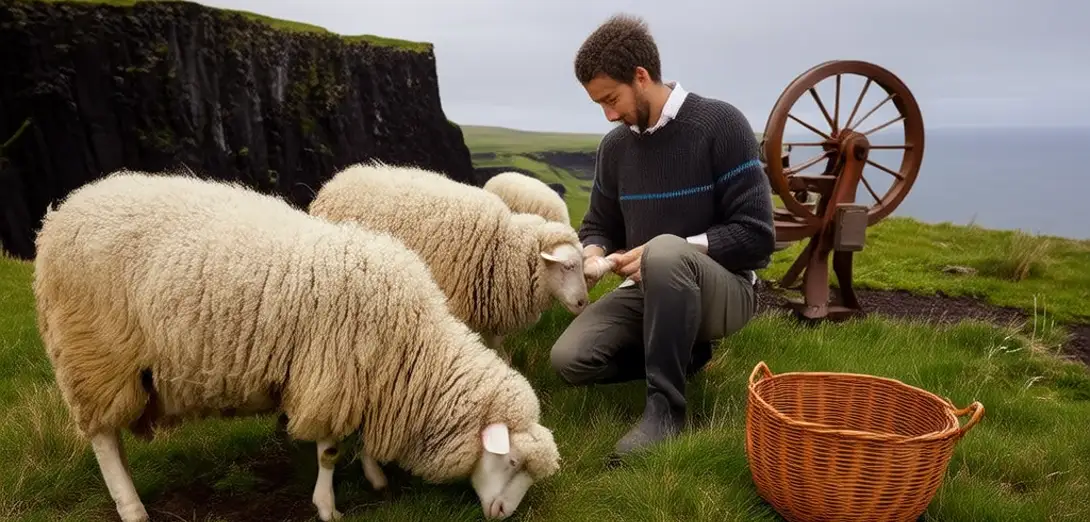
Faroese Wool Knitting and Climate Adaptation
法罗群岛羊毛编织与气候
-
Faroese sheep roam wind-scoured cliffs year-round, growing dense, water-resistant fleece that locals spin into yarn without washing first.法罗群岛绵羊全年在风蚀悬崖上自由漫步,长出浓密、防水的羊毛,当地人直接纺成纱线,无需预先清洗。
-
Traditional jumpers feature bold, geometric patterns—each village has its own motif, like ‘Gjógv stripes’ named after a sea-carved gorge.传统针织套衫采用鲜明的几何图案——每个村庄都有专属纹样,例如以海蚀峡湾‘吉奥夫’命名的‘吉奥夫条纹’。
-
Knitters read weather in wool: too much lanolin means rain is coming; too little suggests dry, cold weeks ahead.织工通过羊毛判断天气:脂质过多预示降雨;过少则暗示未来几周干燥寒冷。
-
Teenagers learn stitches from elders not in classrooms, but beside storm windows, where knitting keeps fingers warm and minds calm.青少年向长辈学针法,不在教室,而在暴风雨窗边——织毛衣既暖手,也宁神。
-
Modern designers use these same patterns on scarves sold in Copenhagen—but insist labels name the original island and knitter.当代设计师将这些传统图案用于哥本哈根售卖的围巾——但坚持标签注明原产岛屿及织者姓名。
-
Even ferry crews wear hand-knit hats, because machine-made wool can’t trap heat the same way in 60-knot winds.连渡轮船员都戴手织帽子,因为机织羊毛在60节强风中无法像手织品那样锁住热量。
-
A sweater takes 300+ hours to finish—not as luxury, but as necessity built for survival, not fashion.一件毛衣需耗时300多小时完成——并非为奢侈,而是为生存而造,而非时尚。
-
Every loop holds memory of mist, salt, and steady hands turning climate challenge into quiet, wearable strength.每一针每一线,都凝结着雾气、盐粒与沉稳双手——将气候挑战化作静默可穿的坚韧。