正在确认阅读权限…
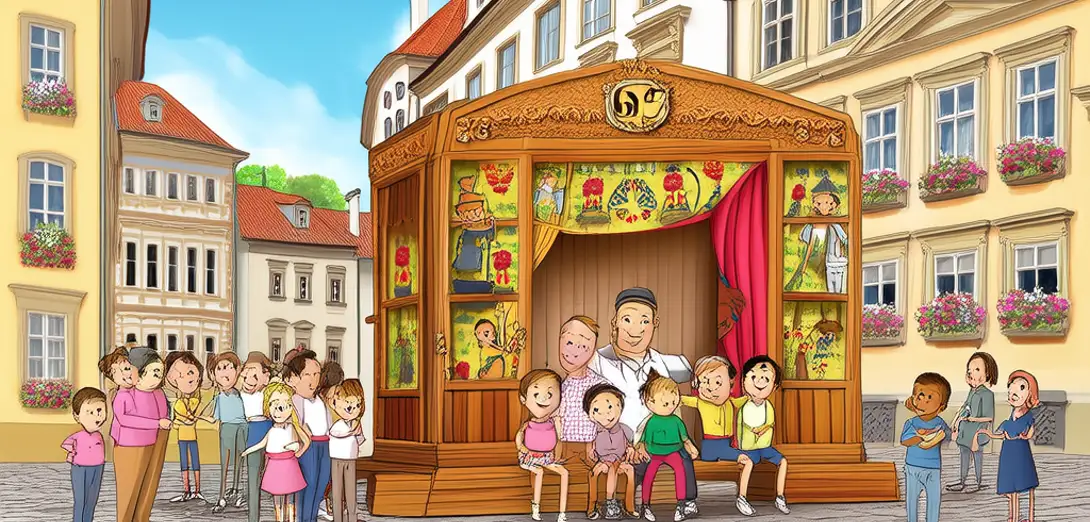
Puppet Theatres and Civic Laughter in Czech Town Squares
捷克木偶剧与城市广场欢笑
-
Every Saturday since 1880, Prague’s Spejbl and Hurvínek Theatre has performed behind a painted wooden curtain.自1880年起,布拉格的斯佩伊布尔与赫尔维内克剧院每逢周六都在一幅彩绘木幕布后演出。
-
Czech puppeteers manipulate marionettes with strings attached to overhead rods, requiring years of wrist control training.捷克木偶师通过悬挂在头顶横杆上的细线操控提线木偶,需多年手腕控制训练。
-
Audiences shout jokes back at puppets during scenes mocking bureaucracy, weather, or even unpopular mayors.观众在讽刺官僚、天气甚至不受欢迎市长的桥段中,大声向木偶喊出笑话。
-
Wooden stages appear in Brno and Český Krumlov squares during spring festivals, drawing tourists and grandparents alike.春季节庆期间,木质舞台现身布尔诺和捷克克鲁姆洛夫的广场,吸引游客与祖父母 alike。
-
Each character wears folk costumes stitched with regional embroidery that tells silent stories of Bohemian villages.每个角色都身着民间服饰,上面绣有地域特色纹样,无声讲述波西米亚村庄的故事。
-
Puppeteers often improvise political satire, making performances timely yet timeless through exaggerated gestures.木偶师常即兴加入政治讽刺,借夸张动作让表演既应时又永恒。
-
Families bring thermoses of hot fruit tea and share benches under chestnut trees while watching three-act comedies.家家户户带着保温壶装的热果茶,坐在栗树下共用长凳,观看三幕喜剧。
-
Students from Charles University intern with troupes to study how folklore evolves in democratic public spaces.查理大学学生进入剧团实习,研究民俗如何在民主公共空间中演变。
-
After shows, children try stringing simple figures while elders explain why Hurvínek always outwits authority figures.演出结束后,孩子们尝试牵动简易木偶,长辈则解释为何赫尔维内克总能智胜权威人物。
-
These puppets don’t just entertain—they rehearse democracy through laughter, critique, and collective memory.这些木偶不只是娱乐——它们以笑声、批判与集体记忆排演民主。