正在确认阅读权限…
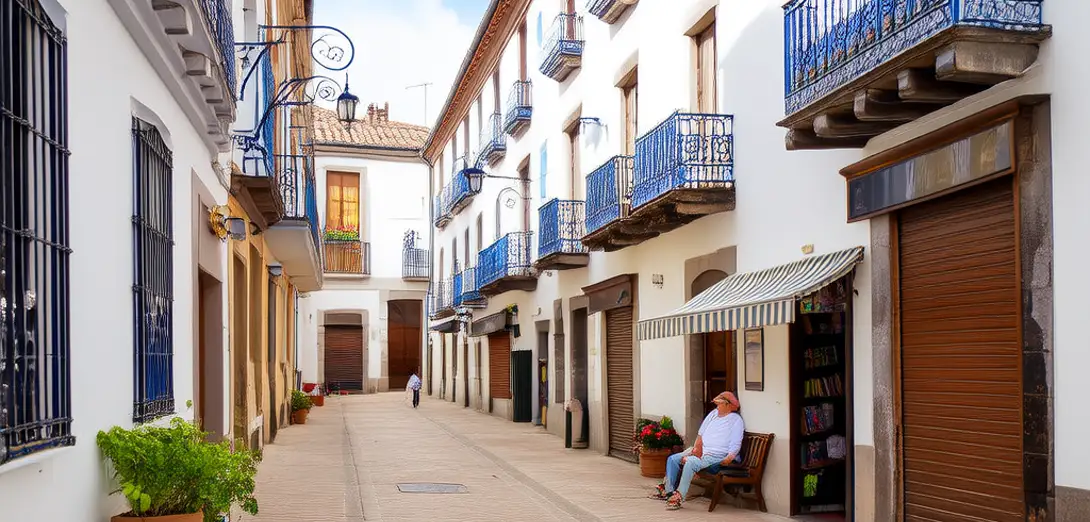
Siesta Rhythms and Urban Pauses in Spain
西班牙午睡节奏与城市停顿
-
In Seville, shop shutters close between 2 p.m. and 5 p.m., not from laziness but from honoring body clocks shaped by Mediterranean heat.在塞维利亚,商铺卷帘门每天下午2点至5点关闭,并非出于懒惰,而是顺应地中海酷热塑造的人体生物钟。
-
Office workers retreat to shaded balconies or fold-out cots in quiet courtyards while city birds reclaim narrow streets.上班族退至阴凉的阳台,或安静庭院里的折叠床小憩,城市鸟类则重新占据狭窄街道。
-
Restaurants reopen slowly, serving chilled gazpacho first, then paella, as sunlight softens into golden evening light.餐厅缓缓重开,先上冰镇冷汤,再上海鲜饭,阳光也渐渐化作金色的黄昏。
-
Many Spaniards say siesta isn’t sleep alone—it’s phone-free time with grandparents, reading aloud, or writing letters by hand.许多西班牙人说,午休不只是睡觉——更是放下手机陪祖父母、大声朗读或手写书信的时光。
-
Urban planners now design 'siesta-friendly' neighborhoods with wider sidewalks, rooftop gardens, and sound-dampened apartment walls.城市规划师如今设计‘午休友好型’社区,配备更宽的人行道、屋顶花园和隔音公寓墙。
-
Young professionals negotiate remote work hours so they can join family meals without rushing back to desks.年轻职场人协商弹性远程办公时间,以便从容参加家庭聚餐,不必匆忙赶回工位。
-
Even Madrid’s metro plays gentle classical music during afternoon hours to soothe commuters returning from breaks.就连马德里地铁下午时段也会播放轻柔古典乐,安抚刚结束休憩返程的通勤者。
-
Tourists sometimes mistake silence for emptiness, unaware that silence here holds conversation, memory, and care.游客有时将寂静误认为空荡,却不知这里的寂静里蕴藏着对话、记忆与关怀。
-
Schools schedule afternoon classes later so children arrive rested, and teachers use that time for collaborative lesson planning.学校将下午课程延后,让孩子睡饱再来上课,教师则利用这段时间协作备课。
-
This pause isn’t resistance to modernity—it’s a daily ritual anchoring people to place, pace, and presence.这一停顿并非抗拒现代性,而是一种日常仪式,将人们锚定于所在之地、生活节奏与当下存在。