正在确认阅读权限…
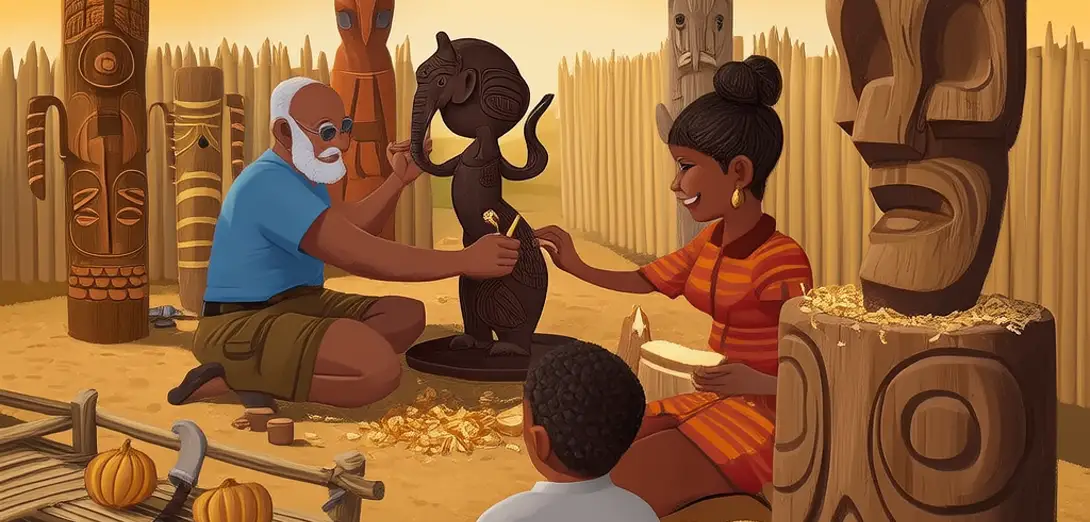
Tanzanian Woodcarving and Symbolic Motifs
坦桑尼亚木雕与象征纹样
-
In Tanzania’s Makonde villages, carvers transform ebony and mkongo wood into figures that tell proverbs, record history, or honor spirits.在坦桑尼亚马孔德村庄,雕刻师将乌木和姆孔戈木雕成人物形象,用以阐释谚语、记录历史或敬奉神灵。
-
A woman holding a child upright means ‘strength in nurturing’; intertwined snakes represent wisdom and healing, not danger.一位女子直立抱婴象征‘养育中的力量’;交缠的蛇代表智慧与疗愈,而非危险。
-
Each carving begins with prayer—carvers believe the spirit of the tree guides their hands toward truth.每件雕刻始于祈祷——雕刻师相信树木之灵会引导双手走向真实。
-
Young apprentices spend years learning grain direction and tool control before adding symbolic details like zigzag rivers or spiral suns.年轻学徒需经数年学习木纹走向与刀具掌控,方能添加锯齿状河流或螺旋状太阳等象征细节。
-
Markets in Dar es Salaam display both ceremonial masks for initiations and modern wall art—yet both use the same visual language.达累斯萨拉姆市集既陈列用于成人礼的仪式面具,也展示现代壁饰——二者却共享同一视觉语言。
-
Foreign buyers often ask for ‘African style,’ but master carvers patiently explain why certain animals appear only in specific clans’ works.外国买家常要求‘非洲风格’,但资深雕刻师耐心解释:某些动物仅出现在特定氏族的作品中。
-
Even school desks in rural areas bear carved borders showing unity, harvest, or learning—making values part of everyday life.就连乡村学校的课桌边缘也刻有象征团结、丰收或求知的图案,让价值观融入日常生活。
-
These sculptures don’t just decorate spaces; they invite viewers to read, reflect, and remember what words alone cannot hold.这些雕塑不仅装饰空间,更邀观者阅读、沉思,并铭记文字无法承载之物。