正在确认阅读权限…
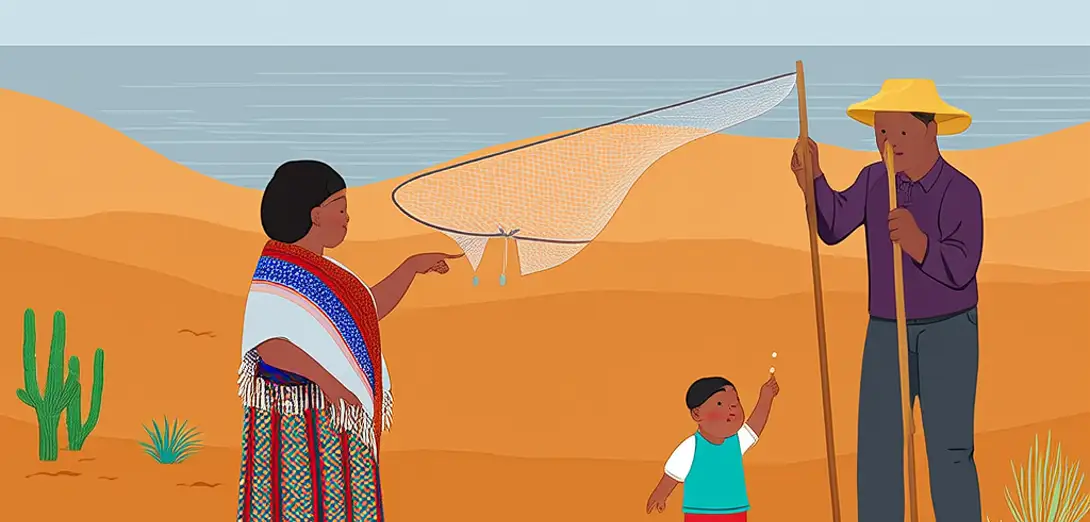
Namib Desert Fog Nets and Coastal Aridity Adaptation
纳米布沙漠雾网取水与海岸干旱适应
-
The Namib Desert stretches along Namibia’s Atlantic coast, one of Earth’s oldest and driest deserts.纳米布沙漠沿纳米比亚大西洋海岸绵延,是地球上最古老、最干旱的沙漠之一。
-
Coastal fog forms daily when cold Benguela Current meets warm continental air, delivering moisture inland.当寒冷的本格拉寒流与温暖的大陆空气相遇时,每日形成沿海雾气,将水分输送到内陆。
-
Fog nets—vertical mesh structures—capture tiny droplets that condense and drip into collection troughs.雾水收集网是垂直的网状结构,可捕获凝结后滴入集水槽的微小水滴。
-
Each net yields 2–10 liters of water per day, depending on fog frequency and wind speed.每张网每天产水2–10升,具体取决于雾频与风速。
-
Communities near Swakopmund and the Skeleton Coast rely on these low-tech systems for household use.斯瓦科普蒙德及骷髅海岸附近的社区依赖这些低技术系统满足家庭用水需求。
-
Fog harvesting complements groundwater extraction but avoids aquifer depletion in hyperarid zones.雾水采集可补充地下水开采,同时避免超干旱区含水层枯竭。
-
Biological fog collectors include Welwitschia plants and darkling beetles that tilt to channel condensate.生物型雾水收集者包括百岁兰植物和拟步甲虫——后者通过倾斜身体引导冷凝水。
-
Climate models suggest fog frequency may decline slightly with ocean warming, threatening reliability.气候模型表明,随着海洋变暖,雾频可能略有下降,威胁系统可靠性。
-
Research institutions test nano-coated meshes to increase capture efficiency under variable wind conditions.研究机构正在测试纳米涂层网材,以提升多变风况下的捕雾效率。
-
This adaptation highlights how spatial gradients of moisture drive innovative human–environment responses.这一适应方式凸显了水分空间梯度如何驱动人类与环境间的创新响应。