正在确认阅读权限…
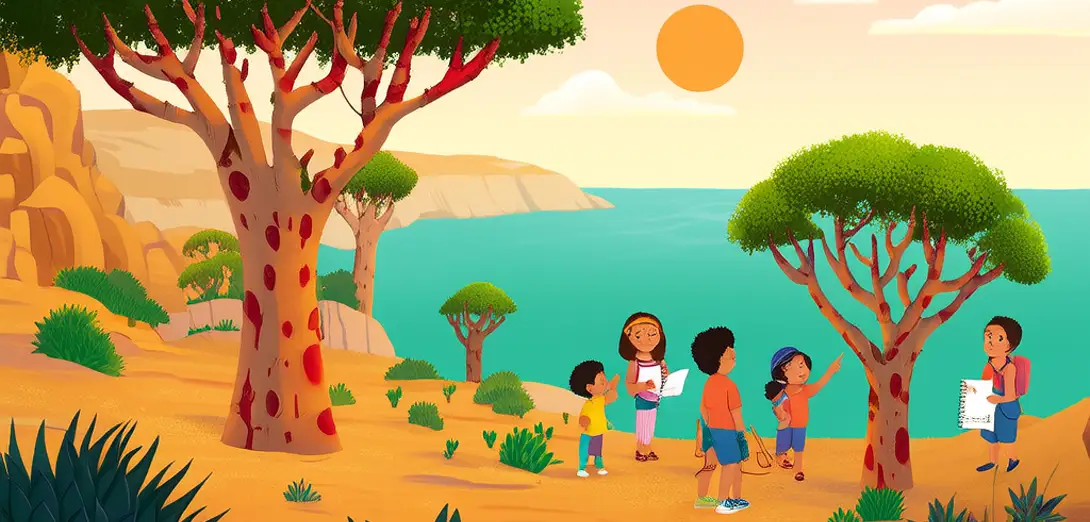
Socotra Island’s Unique Flora
也门索科特拉岛独特植被
-
Socotra Island lies 380 kilometers off Yemen’s southern coast, isolated for over 20 million years by deep ocean currents and arid winds.索科特拉岛位于也门南部海岸以东380公里处,因深海洋流和干燥季风隔离了逾2000万年。
-
This long separation allowed plants to evolve unusual forms unseen anywhere else—like the dragon’s blood tree with its umbrella-shaped crown.漫长的隔绝使植物演化出全球独一无二的奇特形态,例如伞状树冠的龙血树。
-
Its thick, waxy leaves minimize water loss, while latex sap turns red when exposed to air, possibly deterring insects.其厚而蜡质的叶片可减少水分流失,乳胶状树液遇空气变红,可能用以驱虫。
-
Over one-third of Socotra’s 825 plant species are endemic, including the cucumber tree and desert rose with swollen water-storing stems.索科特拉岛825种植物中,超三分之一为特有物种,包括黄瓜树和茎干膨大、可储水的沙漠玫瑰。
-
Seasonal fog from the Arabian Sea provides critical moisture, letting succulents thrive despite less than 150 mm annual rainfall.阿拉伯海季节性雾气提供关键水分,使多肉植物得以在年降雨量不足150毫米的环境中繁茂生长。
-
Goats introduced centuries ago now threaten rare shrubs by overgrazing seedlings before they mature.数百年前引入的山羊过度啃食幼苗,威胁着稀有灌木的存续。
-
Botanists collaborate with local herders to identify and fence off key regeneration zones using traditional stone walls.植物学家与当地牧民合作,利用传统石墙识别并围护关键再生区域。
-
UNESCO declared Socotra a World Heritage site in 2008, recognizing it as a ‘living museum of evolution’.联合国教科文组织于2008年将索科特拉列为世界遗产,称其为‘演化的活体博物馆’。
-
Climate models predict drier conditions by 2050, which may shrink fog frequency and stress already vulnerable endemics.气候模型预测,到2050年该地将更加干旱,雾频可能降低,已脆弱的特有物种将面临更大压力。
-
Each endemic plant tells a story—not just of adaptation, but of resilience shaped by solitude and scarcity.每一种特有植物都在讲述一个故事——不仅是适应的故事,更是由孤绝与匮乏塑造的韧性故事。