正在确认阅读权限…
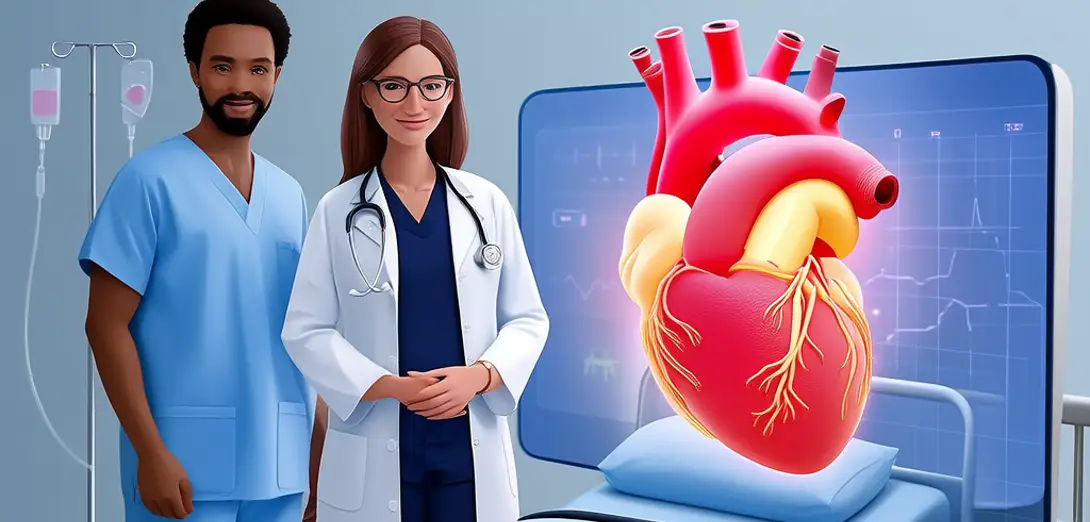
Digital Twin Hearts for Personalized Surgical Planning
数字孪生心脏用于个性化手术规划
-
A digital twin heart is a patient-specific 3D model built from MRI, CT, and ultrasound scans combined with biomechanical simulation.数字孪生心脏是基于患者MRI、CT和超声扫描数据,结合生物力学仿真构建的个体化三维模型。
-
Doctors use it to simulate blood flow, valve motion, and tissue stress before performing real surgery.医生可在真实手术前,用它模拟血流、瓣膜运动及组织应力。
-
Unlike generic anatomical models, this twin reflects the exact shape, stiffness, and defects of an individual’s heart.与通用解剖模型不同,该孪生模型精准反映患者心脏的形状、刚度及缺陷。
-
Surgeons can test different stent placements or repair strategies virtually to predict outcomes.外科医生可虚拟测试不同支架置入方式或修复策略,以预测手术效果。
-
Machine learning helps calibrate the model using real-time pressure and flow data from catheterization.机器学习利用导管检查获取的实时压力与血流数据校准模型。
-
This reduces trial-and-error in the operating room and shortens procedure time significantly.这减少了手术室内的试错次数,显著缩短手术时间。
-
Regulatory agencies now approve certain twin-based plans as part of pre-op documentation in Europe and Japan.目前,欧洲和日本的监管机构已批准将部分基于孪生模型的方案纳入术前文件。
-
The model updates continuously as new imaging data arrives, supporting long-term monitoring.随着新影像数据的持续输入,模型可动态更新,支持长期监测。
-
It bridges the gap between population-level medical knowledge and truly personalized care.它弥合了群体医学知识与真正个性化诊疗之间的鸿沟。
-
Such twins exemplify how physics-informed AI transforms diagnostic precision in cardiology.此类孪生模型体现了物理信息驱动的人工智能如何提升心脏病学诊断精度。