正在确认阅读权限…
The Thermodynamic Basis of Cryogenic Food Preservation Standards
低温食品保存标准的热力学基础
-
Cryopreservation halts microbial metabolism not by killing organisms but by immobilizing water molecules in amorphous ice.冷冻保存通过将水分子固定在无定形冰中来停止微生物代谢,而非杀死微生物。
-
The glass transition temperature (Tg′) of food matrices dictates minimum storage stability—typically −18°C for most commodities.食品基质的玻璃化转变温度(Tg′)决定了最低储存稳定性——多数食品通常为−18°C。
-
Ice recrystallization above Tg′ damages cell membranes, accelerating drip loss and textural degradation.在Tg′以上发生的冰晶重结晶会损伤细胞膜,加速汁液流失和质地劣变。
-
International Codex Alimentarius standards mandate continuous −18°C monitoring with calibrated data loggers.国际食品法典委员会标准要求使用校准的数据记录仪持续监测−18°C温度。
-
Thermal history matters more than endpoint temperature: repeated freeze-thaw cycles induce irreversible protein denaturation.热历史比终点温度更重要:反复冻融循环会导致蛋白质不可逆变性。
-
Vacuum packaging reduces oxidative rancidity by limiting oxygen diffusion through lipid bilayers.真空包装通过限制氧气向脂质双分子层的扩散,降低氧化酸败风险。
-
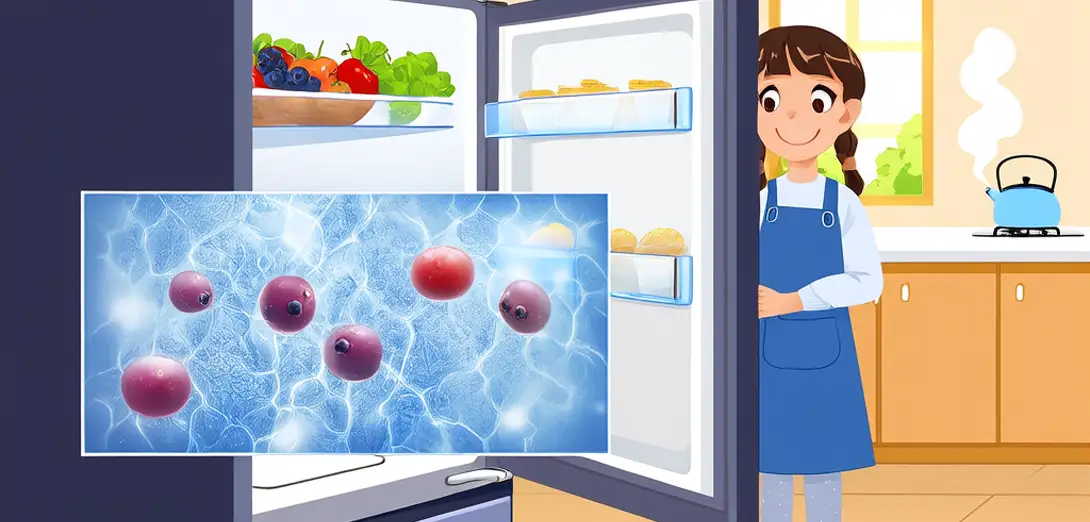
High-moisture foods like berries require rapid freezing (<30 minutes to −5°C) to minimize large ice crystal formation.蓝莓等高水分食品需快速冻结(<30分钟降至−5°C),以最大限度减少大冰晶形成。
-
Enzymatic browning continues slowly even at −18°C, necessitating pre-treatment with citric acid or blanching.即使在−18°C下,酶促褐变仍缓慢进行,因此需用柠檬酸或热烫进行预处理。
-
Supply chain audits now verify cumulative degree-hours above critical thresholds using blockchain-tracked sensors.供应链审计现借助区块链追踪传感器,验证累计超限‘度·小时’值。
-
Cryo-electron microscopy reveals how ice nucleation patterns correlate with post-thaw sensory scores.冷冻电镜揭示冰晶成核模式与解冻后感官评分之间的关联。
-
Regulatory compliance hinges on thermodynamic modeling—not just thermometer readings.合规监管依赖热力学建模,而不仅靠温度计读数。
-
This framework transforms food safety from reactive inspection to predictive process control.该框架将食品安全从被动检验转向预测性过程控制。