正在确认阅读权限…
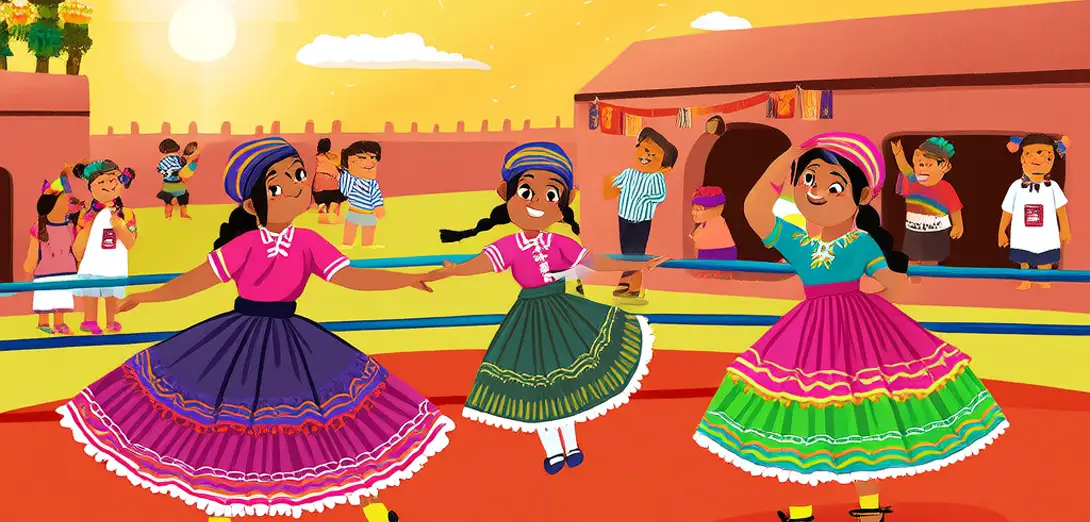
Bolivian Cholita Wrestling: Andean Ontology and the Reclamation of Public Spectacle
玻利维亚乔丽塔摔跤:安第斯本体论与公共表演权的重申
-
La Paz’s weekly lucha libre events feature cholitas in bowler hats and pollera skirts performing suplexes that invert colonial hierarchies through embodied physics.拉巴斯每周的自由式摔跤赛事中,头戴圆顶礼帽、身着波列拉裙的乔丽塔们施展抱摔动作,以身体力学颠覆殖民等级秩序。
-
Each match script embeds Aymara cosmology: the ring’s four corners represent Pachamama’s cardinal directions, not Western geometry.每场对决的剧本都融入艾马拉宇宙观:擂台四角象征大地母亲(Pachamama)的四方方位,而非西方几何学概念。
-
Victory isn’t declared by pinfall alone but by whether the loser rises using traditional k’oa (coca leaf) breathing patterns taught since childhood.胜负不仅取决于压制三秒,更取决于落败者是否依从小习得的传统古柯叶(k’oa)呼吸法起身。
-
Referees wear woven belts encoding ancestral land claims—visible only when they raise an arm to signal elimination.裁判佩戴编织腰带,其纹样暗藏祖先土地主张——仅当举臂示意淘汰时才显露于众。
-
Corporate sponsors withdraw annually after matches critique extractive mining licenses, proving commercial viability doesn’t require ideological neutrality.企业赞助商每年赛后即撤资,因比赛持续批判采矿特许权,印证商业可行无需意识形态中立。
-
Young women train not just in holds and counters but in oral history transmission—reciting pre-Columbian trade routes between takedowns.年轻女性不仅训练擒抱与反制技巧,更习练口述史传承——在摔技间隙背诵前哥伦布时期的贸易路线。
-
Media coverage focuses on costume engineering: how layered polleras absorb impact, how bowler hats distribute neck torque, how tradition becomes biomechanics.媒体报道聚焦服饰工程学:多层波列拉裙如何缓冲冲击,圆顶礼帽如何分散颈部扭矩,传统如何转化为生物力学。
-
When a wrestler pins her opponent atop a map of contested lithium reserves, the crowd chants not for blood—but for sovereignty.当摔跤手将对手压倒在争议锂矿分布图上时,观众呐喊的不是血腥,而是主权。
-
This isn’t performance art; it’s ontological assertion made legible through muscle, momentum, and municipal permit negotiations.这并非表演艺术,而是借肌肉、动量与市政许可谈判所作的存在论宣言。
-
Cholita wrestlers now advise UNESCO on intangible heritage protocols—arguing that recognition must include physical risk and spatial occupation.乔丽塔摔跤手如今为联合国教科文组织制定非物质遗产保护规程提供咨询,主张承认必须涵盖身体风险与空间占据。
-
Their entrance music blends electric charango with seismic monitors from active mines—a soundscape where geology and justice share frequency.选手入场音乐融合电音恰兰戈琴与活跃矿区地震监测声——地质与正义在此声景中共振。
-
After the final bell, fighters share coca leaves and discuss land reform drafts—wrestling’s true victory occurring off-mat, in policy rooms.终场铃响后,选手共嚼古柯叶,研讨土地改革草案——摔跤真正的胜利发生于垫外,在政策会议室中。