正在确认阅读权限…
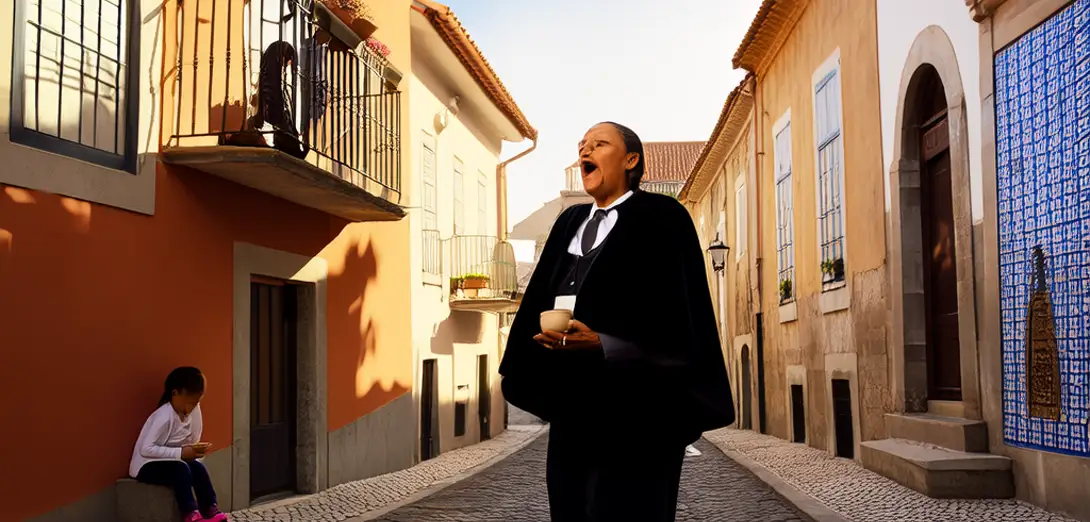
Lisbon’s Fado Alfama: Urban Acoustics as Intergenerational Memory Transmission
里斯本法多音乐(阿尔法玛区):城市声学作为代际记忆传递机制
-
In Lisbon’s steep, narrow alleys, fado singers don’t perform for audiences—they modulate vocal timbre to match stone-wall reverberation patterns shaped by 18th-century earthquake reconstruction.在里斯本陡峭狭窄的巷弄中,法多歌手并非为观众演唱,而是调节嗓音音色,以契合十八世纪地震重建后石墙形成的混响模式。
-
Each verse embeds sonic palimpsests: Moorish melisma echoes in vibrato, maritime sirens surface in sustained notes, colonial returnee laments warp minor thirds.每段歌词都嵌套着声音的重写层:摩尔式花腔在颤音中回响,航海海妖之声浮现于长音之中,殖民归返者的哀叹扭曲了小三度音程。
-
Listeners don’t applaud; they hold breath during fermatas—creating acoustic voids where historical silences become audible.听众不鼓掌,而是在延长音处屏息——制造出声学空隙,让历史的沉默变得可闻。
-
Young musicians study not sheet music but spectral analysis of archival recordings, mapping how gentrification altered alleyway resonance frequencies over decades.年轻乐手研习的不是乐谱,而是档案录音的频谱分析,追踪数十年来士绅化如何改变巷弄的共振频率。
-
Fado houses now install piezoelectric sensors in cobblestones, converting footfall vibrations into real-time bassline variations—making urban change sonically legible.如今法多酒馆在鹅卵石下安装压电传感器,将脚步震动实时转化为贝斯线变化,使城市变迁以声音方式清晰可辨。
-
The ‘fadista’s’ microtonal bends aren’t improvisation; they’re precise calibrations to counteract noise pollution from tourist trams and cruise ship horns.法多歌手的微分音滑音并非即兴发挥,而是精准校准,用以抵消旅游电车与游轮汽笛带来的噪音污染。
-
Elders teach pitch control by having students sing while balancing ceramic water jugs—linking vocal stability to domestic water security narratives.老一辈以陶制水罐平衡练习传授音高控制——将嗓音稳定性与家庭用水安全叙事联结起来。
-
When a song references the 1974 Carnation Revolution, the guitar’s tremolo mimics radio static from clandestine broadcasts—audible only to those who lived it.当歌曲提及1974年康乃馨革命时,吉他颤音模仿地下广播的收音机杂音——唯有亲历者方能听出。
-
This isn’t heritage tourism; it’s sonic archaeology where architecture, migration, and resistance vibrate at measurable frequencies.这并非遗产旅游,而是声学考古:建筑、移民与抵抗,在可测量的频率中共同震颤。
-
Fado’s ‘saudade’ isn’t vague longing—it’s the measurable decay time of sound in spaces once filled with displaced families’ voices.法多中的‘悲愁’(saudade)并非模糊的乡愁,而是曾回荡着流离家庭声音的空间里,声音可测的衰减时间。
-
Music schools now partner with urban planners, using fado acoustics to design noise-buffering public housing façades.音乐学院如今与城市规划师合作,运用法多声学原理设计隔音公共住宅立面。
-
Every note is both archive and antenna—tuning Lisbon’s past to its uncertain, resonant future.每个音符既是档案,也是天线——将里斯本的过去调谐至它不确定却共鸣强烈的未来。