正在确认阅读权限…
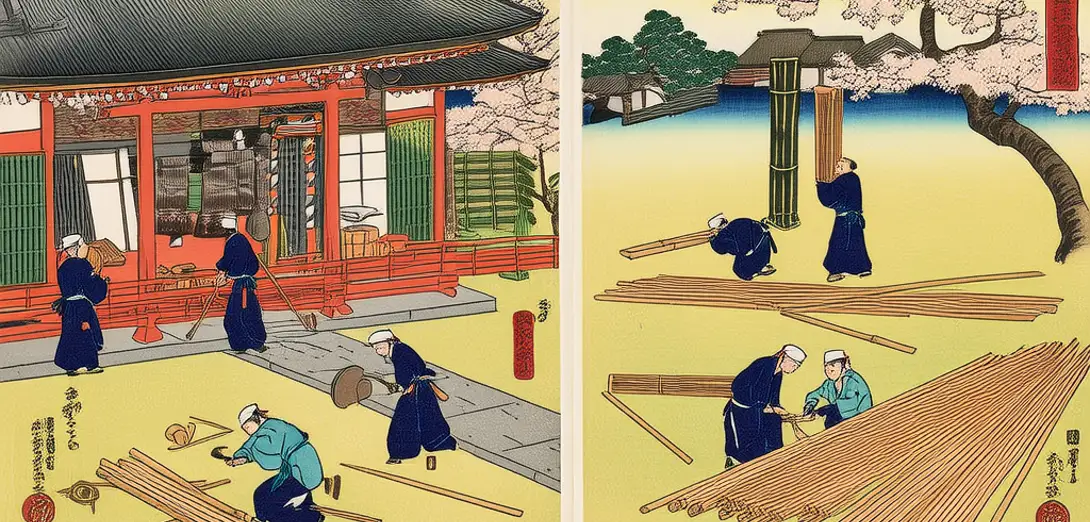
Japanese Shikinen Sengū: Cyclical Reconstruction as Epistemic Continuity in Ise Jingu
日本式年遷宮:伊勢神宮的周期性重建作为知识连续性实践
-
Every twenty years, Ise Jingu’s Naiku and Geku shrines are dismantled and rebuilt identically on adjacent plots using traditional tools and techniques.每二十年,伊势神宫的内宫与外宫神社便会被拆解,并使用传统工具与技艺,在相邻地块上原样重建。
-
This is not restoration but deliberate, generational knowledge transfer—carpenters train apprentices solely for this single act.这并非修复,而是刻意为之的代际知识传承——木匠只为这一单一仪式专门培养学徒。
-
Blueprints do not exist; continuity resides in muscle memory, seasonal timber selection, and oral calibration of joinery tolerances.没有图纸;延续性存在于肌肉记忆、依季节选取木材,以及口头校准榫卯公差之中。
-
The 2013 reconstruction incorporated satellite-surveyed alignment data while forbidding power tools or modern adhesives.2013年的重建采用了卫星测绘的定位数据,却严禁使用电动工具或现代胶粘剂。
-
Shikinen Sengū treats architectural knowledge as perishable—requiring embodied reenactment to survive institutional rupture.式年迁宫将建筑知识视为易逝之物,唯有通过身体力行的重演,方能在制度断裂中存续。
-
Archaeologists confirmed that every post-1945 rebuilding preserved pre-Meiji carpentry logic erased elsewhere in Japan.考古学家证实,1945年后每一次重建都保留了明治维新前的木作逻辑,而该逻辑在日本其他地区早已失传。
-
The ritual insists that fidelity lies not in static form but in replicable process under changing material constraints.这一仪式强调:忠实不在于静止的形式,而在于材料条件变化下可复现的过程。
-
When typhoon damage delayed the 2033 cycle, planners convened intergenerational councils to renegotiate permissible timber substitutions.当台风损毁延误2033年周期时,规划者召集跨世代委员会,重新协商允许的木材替代方案。
-
This practice rejects digital archiving as sufficient; knowledge must be re-performed to remain authoritative.该实践拒绝将数字存档视为充分手段;知识唯有被再度践行,方具权威性。
-
Ise’s cyclical logic now informs Japan’s national disaster-resilience frameworks for cultural infrastructure.伊势的循环逻辑如今已融入日本国家级文化基础设施的防灾韧性框架。
-
Shikinen Sengū demonstrates how temporal discipline can sustain epistemic sovereignty across centuries.式年迁宫展现了时间纪律如何跨越数世纪维系认知主权。
-
It is architecture as pedagogy, not monument.它是一种作为教育法的建筑,而非纪念碑。