正在确认阅读权限…
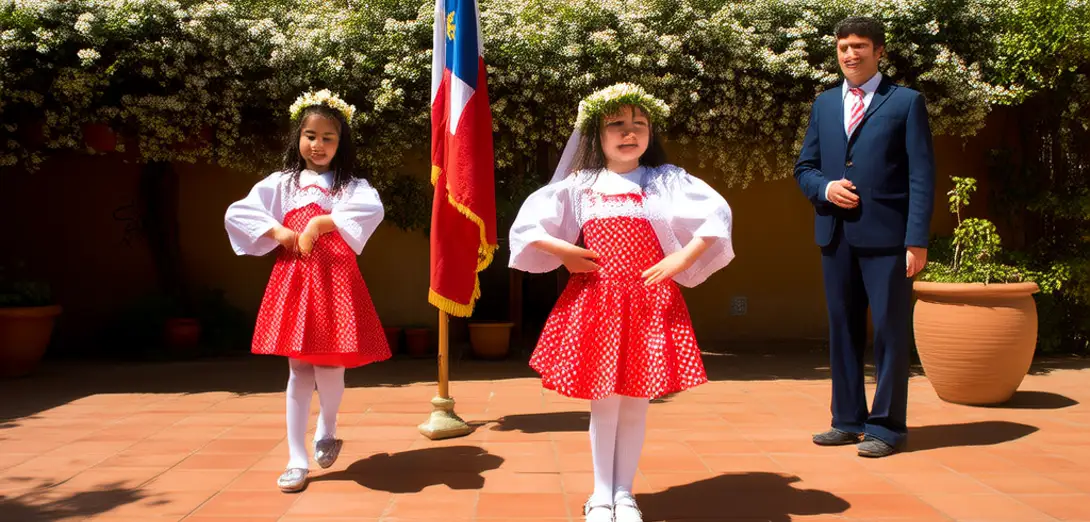
Chilean Cueca Solemn: State Ritual as Historical Reckoning in Post-Dictatorship Public Space
智利库埃卡庄重舞:后独裁时代公共空间中的国家仪式与历史清算
-
The cueca, Chile’s national dance, was weaponized during Pinochet’s regime through mandatory school performances and state media broadcasts.智利国舞库埃卡舞,在皮诺切特政权时期被用作政治工具,通过学校强制表演和国家媒体广播推行。
-
Since 2004, official cueca ceremonies at La Moneda Palace incorporate choreographic pauses marking detention sites and disappeared persons’ last known addresses.自2004年起,拉莫内达宫官方库埃卡仪式中加入编舞停顿,标记拘禁地点及失踪者最后已知住址。
-
Dancers now wear white armbands embroidered with names verified by the National Commission on Political Imprisonment and Torture.舞者如今佩戴白色袖章,上面绣有智利国家政治监禁与酷刑委员会核实确认的姓名。
-
Public square cuecas require municipal permits specifying historical accuracy of costume motifs and musical phrasing intervals.公共广场上的库埃卡表演须申领市政许可,明确要求服饰纹样与音乐乐句时长的历史准确性。
-
In Valparaíso, cueca groups coordinate with human rights museums to time footwork sequences to archival audio of protest chants from 1973.在瓦尔帕莱索,库埃卡团体与人权博物馆协作,将舞步节奏同步于1973年抗议口号的历史录音。
-
The dance’s traditional handkerchief flourishes were reinterpreted in 2010 as gestures of witness—not courtship—during congressional inauguration rituals.2010年,舞蹈传统手帕动作被重新诠释为见证姿态——而非求爱表达——用于国会就职典礼。
-
Choreographers consult forensic archaeologists to calibrate spatial formations replicating mass graves’ dimensions at memorial sites.编舞家咨询法医考古学家,精确设定空间队形,以复现纪念场所中万人冢的实际尺寸。
-
State-funded cueca workshops now emphasize ‘critical embodiment’—teaching dancers to feel dissonance when performing pre-1973 choreographic norms.国家资助的库埃卡工作坊如今强调‘批判性具身’,教导舞者在演绎1973年前编舞规范时感知内在张力。
-
This ritual refuses both nostalgic revival and erasure, holding tension between national symbol and evidentiary trace.这一仪式既拒绝怀旧式复兴,也拒绝历史抹除,在民族象征与证据痕迹之间保持张力。
-
The cueca’s survival depends on its capacity to carry contradictory truths simultaneously in one embodied syntax.库埃卡的存续,取决于它能否在同一具身语汇中同时承载相互矛盾的真相。
-
It operates as constitutional choreography: every step legally acknowledges what the state once denied.它作为宪制性编舞运作:每一步都依法承认国家曾否认的事实。
-
Here, folk form becomes forensic medium—dance as testimony with juridical standing.在此,民间形式转化为法医媒介——舞蹈即具有司法效力的证言。