正在确认阅读权限…
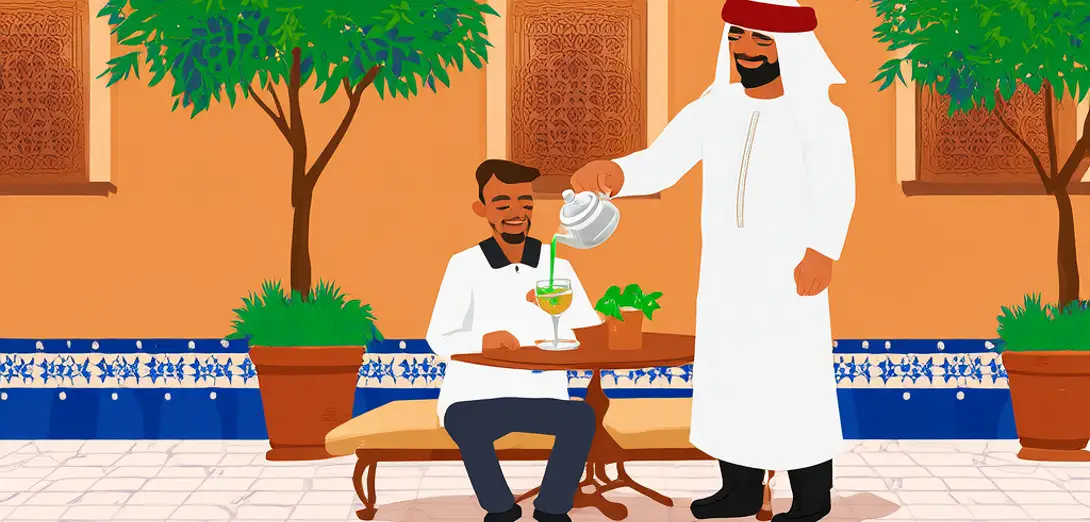
Moroccan Mint Tea Ceremonies: Hospitality as Political Performance
摩洛哥薄荷茶仪式:作为政治表演的待客之道
-
In Rabat’s diplomatic quarter, the height of the mint tea pour—traditionally 30–45 cm above the glass—is not aesthetic flourish but a calibrated signal of respect, sovereignty, and negotiating leverage.在拉巴特外交区,薄荷茶倾倒的高度(传统上距玻璃杯30–45厘米)并非装饰性动作,而是表达尊重、主权与谈判筹码的精准信号。
-
Foreign ambassadors learn precise pouring angles during protocol training: too low suggests subservience; too high risks spilling, implying recklessness or disregard for shared stability.外国大使在礼宾培训中须掌握精确倾倒角度:过低暗示屈从;过高则易洒出,暗指鲁莽或无视共同稳定。
-
Tea preparation involves three distinct infusions, each served with escalating sugar content—a symbolic arc representing initial caution, deepening dialogue, and final consensus formation.煮茶分三道冲泡,每道糖量递增,象征从初步谨慎、深入对话到最终达成共识的过程。
-
During Western Sahara negotiations, Moroccan hosts deliberately extended the third pour by 90 seconds, using the suspended sweetness as nonverbal pressure to finalize draft language.西撒哈拉谈判期间,摩洛哥东道主刻意将第三道茶延长90秒,借悬而未决的甜度施加非语言压力,推动草案文本敲定。
-
Rabat’s Ministry of Foreign Affairs maintains a ‘tea diplomacy’ unit that analyzes visiting dignitaries’ drinking pace, glass-holding posture, and refusals to infer stance shifts before formal talks begin.拉巴特外交部设有‘茶外交’部门,通过分析来访要员的饮茶速度、持杯姿势及拒饮行为,在正式会谈前预判其立场变化。
-
Urban Moroccan youth reinterpret the ritual in activist contexts: serving unsweetened first infusions to politicians signals demand for structural reform before ceremonial reconciliation.卡萨布兰卡都市青年在行动主义场景中重构这一仪式:向政客奉上不加糖的第一道茶,表明须先推进结构性改革,再谈礼节性和解。
-
UNESCO’s 2023 intangible heritage listing emphasized tea ceremony’s role in conflict mediation—not just family bonding—citing documented cases resolving land disputes across tribal lines.联合国教科文组织2023年将其列为非物质文化遗产,强调茶仪在冲突调解中的作用——不仅维系家庭纽带,更援引跨部落土地纠纷成功调解的实证案例。
-
International hotel chains operating in Casablanca must employ certified tea masters whose credentials include mastery of regional mint varietals and historical trade-route narratives.在卡萨布兰卡运营的国际酒店须聘用认证茶师,资质涵盖本地薄荷品种辨识及历史商路叙事能力。
-
When EU trade delegations request ‘faster service,’ Moroccan hosts comply—but serve only one infusion, transforming hospitality into calibrated diplomatic friction.当欧盟贸易代表团要求‘加快服务’时,摩方照办,但仅奉一道茶,将待客之道转化为可控的外交摩擦。
-
Academic fieldwork shows that tea-serving women in Fez medina negotiate neighborhood governance issues during preparation, embedding civic discourse in domestic ritual.非斯老城茶艺女性在备茶过程中协商社区治理议题,使公民对话自然融入家常仪式。
-
The silver teapot itself functions as archival object: families pass down vessels engraved with treaty dates, marriage alliances, and ceasefire anniversaries.银质茶壶本身即为档案载体:家族世代传承的壶身镌刻条约签署日、联姻盟约与停火纪念日。
-
What outsiders perceive as ornamental tradition operates, in practice, as Morocco’s most widely distributed political interface—simultaneously intimate, public, and deeply consequential.外界眼中繁复的传统,在实践中实为摩洛哥最普及的政治接口——既私密又公开,且影响深远。