正在确认阅读权限…
Historical Humanities Extension: Independent Reading (2026-D040)
历史人文延展阅读·独立成篇(2026-D040)
-
In Kyoto, the Gion Matsuri festival transforms urban space into a living archive of Heian-era aesthetics and merchant-class agency.在京都,祇园祭将城市空间转化为平安时代美学与町人阶层能动性的活态档案。
-
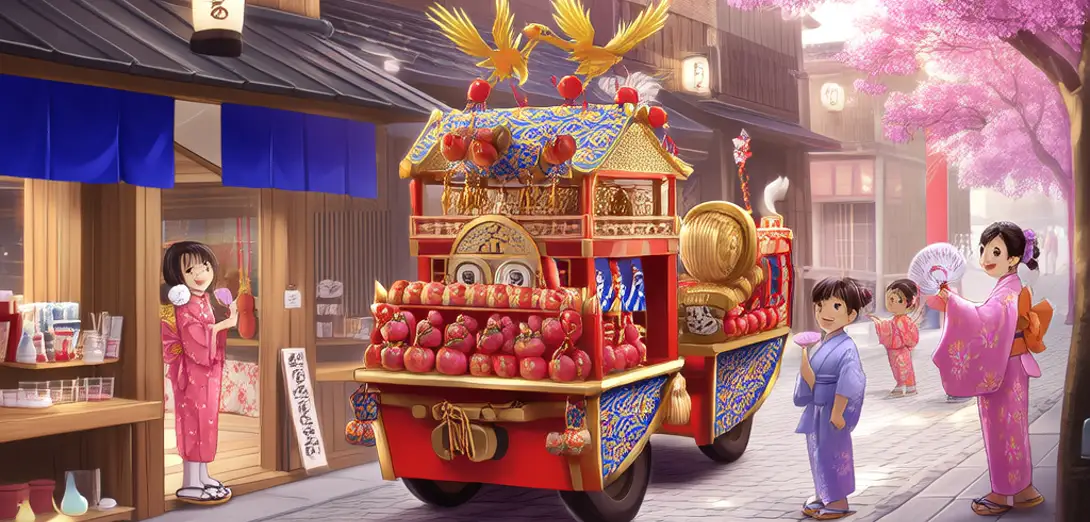
Float processions known as yamaboko retain Edo-period carpentry techniques, yet their sponsorship now reflects corporate patronage and municipal branding strategies.被称为山鉾的花车巡游保留了江户时代的木工技艺,但其赞助方如今已体现企业资助与市政品牌策略。
-
Participants wear layered kimono with motifs referencing classical poetry anthologies, subtly negotiating tradition amid contemporary gender norms.参与者身着层叠和服,纹样取材于古典诗歌集,在当代性别规范中悄然调适传统。
-
The month-long observance includes nightly mikoshi purifications that reassert neighborhood autonomy within Japan’s centralized governance framework.为期一月的祭典包含每晚的神舆净化仪式,在日本中央集权治理体系内重申街区自治。
-
Young men shoulder portable shrines through narrow streets, performing controlled stumbles that echo historical rites of divine possession and communal catharsis.青年男子肩扛便携神舆穿行窄巷,以受控式踉跄重现神灵附体与集体宣泄的历史仪轨。
-
Street vendors sell yomogi mochi not merely as snacks but as edible markers of seasonal timekeeping rooted in lunar-solar calendrics.街头小贩售卖蓬饼,不仅作为点心,更作为根植于阴阳历法的时节标记可食之物。
-
Scholars note how digital livestreams have expanded ritual participation while simultaneously compressing spatial-temporal layers of embodied memory.学者指出,数字直播虽拓展了仪式参与范围,却同时压缩了具身记忆所承载的时空层次。
-
Local schools integrate float-design workshops to transmit intangible heritage, though curriculum constraints often sideline labor-intensive lacquer application.当地学校开设花车设计工作坊以传承无形遗产,但课程限制常使费时费力的漆艺工序被边缘化。
-
Unlike state-orchestrated national holidays, Gion Matsuri resists standardization through its decentralized, ward-based organizational logic.不同于国家统筹的法定节日,祇园祭凭借其去中心化、按町划分的组织逻辑抗拒标准化。
-
Its endurance lies less in static preservation than in iterative reinterpretation—each generation renegotiates reverence without erasing precedent.其存续不靠静态保存,而赖持续再诠释——每一代人在不抹去先例的前提下重新协商敬意。
-
Tourism infrastructure accommodates global audiences, yet shrine priests maintain strict protocols for shrine approach that bypass translation or simplification.旅游设施面向全球游客,神社神职人员却严守神社参拜规程,拒绝翻译或简化。
-
This layered temporality makes Gion Matsuri not a relic but a grammatical structure for cultural continuity.这种层叠的时间性,使祇园祭并非遗存,而是文化延续的语法结构。