正在确认阅读权限…
Oaxacan Mezcal Palenque Visits in San Dionisio Ocotepec: Agave Maturation Protocols and Ethnobotanical Transparency
瓦哈卡圣迪奥尼西奥奥科特佩克龙舌兰酒作坊参访:龙舌兰成熟规程与民族植物学透明度
-
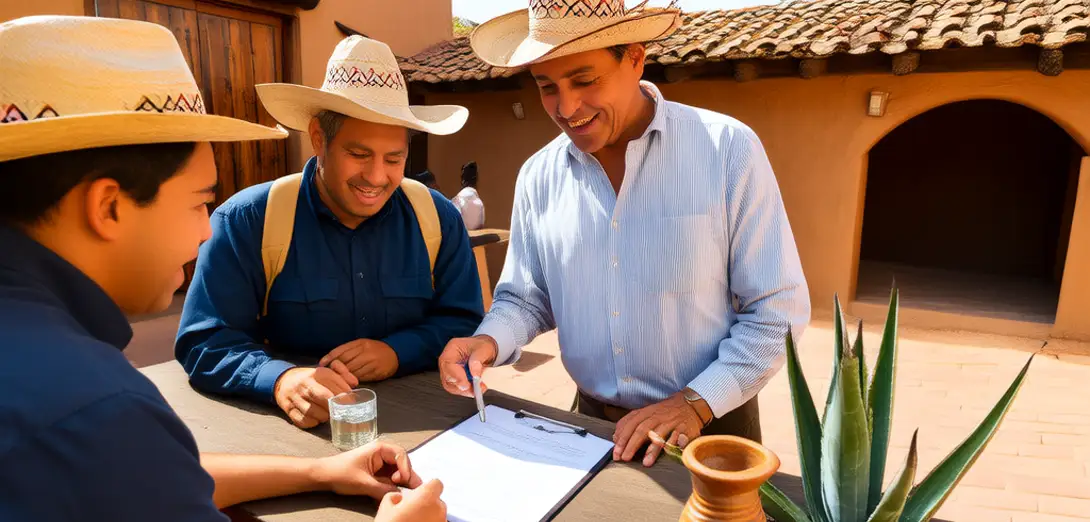
Visitors to San Dionisio Ocotepec’s palenques sign ethnobotanical transparency agreements acknowledging agave maturation timelines—not harvest dates—as the core ethical metric.参观圣迪奥尼西奥奥科特佩克酒坊的游客需签署民族植物学透明度协议,承认龙舌兰成熟周期(而非收割日期)为关键伦理指标。
-
Distillers present cross-sections of mature espadín hearts, pointing to starch crystallization patterns visible only under natural highland light.蒸馏师展示成熟的埃斯帕丁龙舌兰芯横切面,指出仅在高原自然光下可见的淀粉结晶纹路。
-
Tours avoid distillation rooms during fermentation peaks, respecting microbial community rhythms documented in Mixtec oral pharmacopeia.游览避开发酵高峰期的蒸馏车间,尊重米斯特克口传药典中记载的微生物群落节律。
-
Soil samples from each agave plot accompany tasting flights, labeled with elevation, volcanic stratum, and pre-Hispanic land-use annotations.每块龙舌兰种植地块的土壤样本随品鉴套餐一同呈现,标注海拔、火山岩层及前西班牙时期土地利用信息。
-
Visitors receive agave leaf fragments pressed into handmade amate paper, their fibrous texture encoding regional rainfall variance over the past decade.游客获赠压入手工阿玛特纸的龙舌兰叶片碎片,其纤维纹理承载着过去十年区域降雨量变化。
-
Palenque owners disclose wild vs. cultivated agave ratios per batch, verified by GPS-tagged harvest logs cross-referenced with INEGI biodiversity maps.酒坊主公开每批次野生与栽培龙舌兰的比例,并以GPS标记的采收日志对照国家地理统计局生物多样性地图予以验证。
-
Tasting notes avoid Eurocentric descriptors like ‘smoky’ or ‘fruity,’ instead using Zapotec terms for heat intensity, earth resonance, and floral persistence.品鉴描述摒弃‘烟熏’‘果香’等欧洲中心主义术语,转而采用萨波特克语表述热感强度、泥土回响与花香持久度。
-
Distillation schedules align with lunar phases documented in colonial-era codices, not industrial efficiency targets or tourism demand curves.蒸馏时间依循殖民时期手抄本所载月相周期,而非工业效率目标或旅游需求曲线。
-
Bottling occurs only after community elders confirm ripeness via tactile assessment of piña firmness and root exudate viscosity.装瓶仅在社区长老通过触感评估凤梨状茎块硬度与根系分泌物黏度确认成熟后进行。
-
Export labels list not just alcohol content but agave age variance—±1.2 years—reflecting ecological unpredictability rather than quality inconsistency.出口标签不仅标示酒精度,还注明龙舌兰树龄偏差(±1.2年),体现生态不确定性而非品质不稳定。
-
Visitors may join nocturnal agave flowering watches, where pollination success signals future batch viability more reliably than yield forecasts.游客可参与夜间龙舌兰开花观测,授粉成功比产量预测更能可靠指示未来批次可行性。
-
When discussing terroir, distillers reference Nahua cosmological maps linking soil pH to mountain deity domains, not geological surveys alone.谈及风土时,蒸馏师援引纳瓦族宇宙观地图,将土壤pH值与山神领地关联,而不单依赖地质勘测。