正在确认阅读权限…
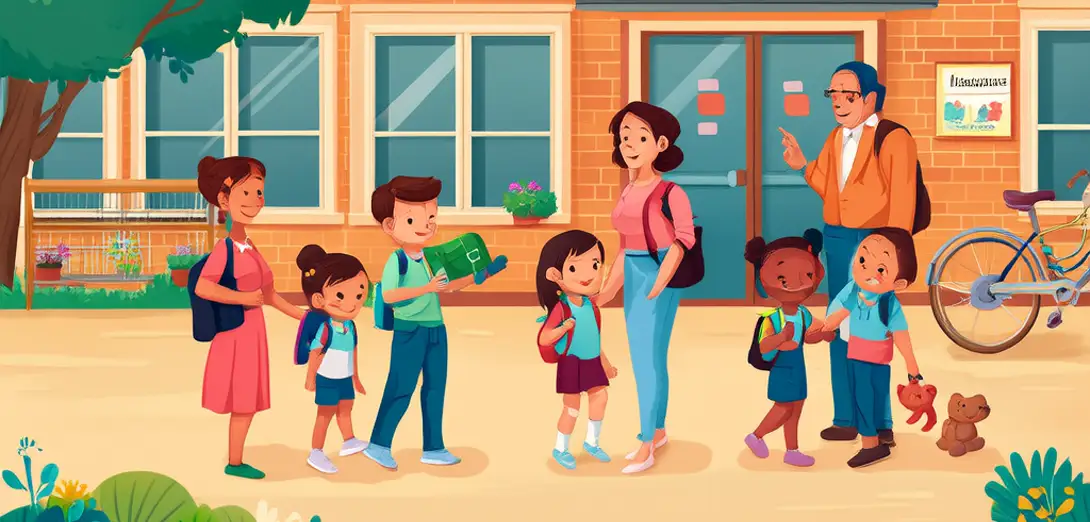
School Drop-Off Rituals as Microcosms of Parental Identity and Institutional Trust
日常交际场景延展阅读·独立成篇(2026-D015)
-
The five-minute school drop-off window functions as a compressed theater where parents perform competence, negotiate separation anxiety, and signal alignment with institutional values.五分钟的校门口接送时段,俨然一个浓缩剧场:家长在此展现能力、应对分离焦虑,并彰显对学校价值观的认同。
-
Choosing to linger outside gates versus walking children to class reflects unstated beliefs about developmental readiness and educational philosophy.在校门外逗留不入,还是送孩子进教室,背后隐含着对儿童发展成熟度和教育理念的不同理解。
-
Conversations with teachers during handover moments rarely address academics directly—they serve as diagnostic touchpoints for social-emotional progress and peer integration.交接时刻与教师的交谈极少直接谈学业,实为评估孩子社交情感发展及同伴融入状况的诊断性触点。
-
Parents who consistently arrive early often seek reassurance about classroom stability, while chronic lateness may index competing caregiving demands or skepticism toward routine.常提前抵达的家长往往寻求课堂稳定性的 reassurance;而长期迟到则可能反映多重照护压力或对常规的质疑。
-
The way adults greet each other—brief nod versus extended exchange—maps onto unspoken hierarchies of involvement, socioeconomic visibility, and perceived legitimacy.成人彼此问候方式——简短点头抑或深入寒暄——映射出参与程度、社会经济可见度及合法性认知等隐性层级。
-
When schools implement timed entry systems, they’re managing not just logistics but parental identity anxieties tied to punctuality and 'good parent' narratives.学校推行限时入校制度,管理的不仅是流程,更是家长因守时与否而生的身份焦虑,以及‘好父母’叙事带来的压力。
-
Volunteering for drop-off duty becomes symbolic capital, signaling availability, reliability, and implicit endorsement of school culture.主动承担接送志愿工作,成为一种象征资本,昭示着时间可得性、可靠性,以及对校园文化的默许支持。
-
Children’s reactions during separation—tears, stoicism, or enthusiastic independence—are interpreted by staff as data points on home-school alignment.孩子分离时的反应——哭泣、沉默坚忍或热情独立——被教职员工解读为家校协同程度的重要指标。
-
Digital sign-in apps shift accountability from relational trust to algorithmic verification, altering how families experience institutional belonging.数字签到应用将信任基础从人际关系转向算法验证,重塑家庭对机构归属感的体验方式。
-
Ultimately, this ritual endures because it satisfies dual needs: logistical necessity and existential reassurance that care remains continuous across domains.归根结底,这一仪式之所以延续,正因为它同时满足两种需求:实际操作的必要性,以及跨越场域时‘照料始终连续’的存在性安心。