正在确认阅读权限…
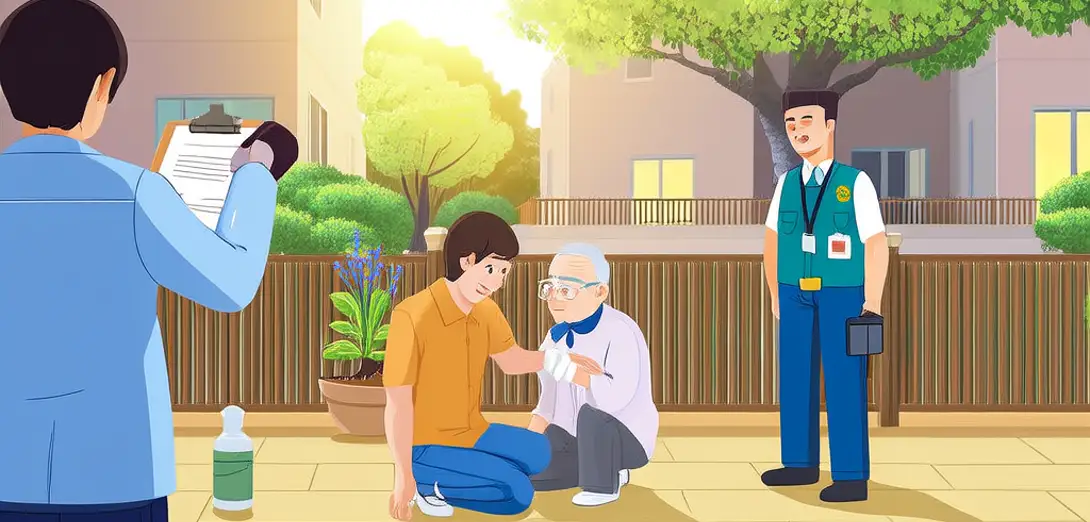
Documenting Evidence After a Falling Object Incident: Coordination with Property Management
高空抛物取证与物业配合
-
After a falling object incident, prioritize medical evaluation and official reporting before initiating property management coordination—legal timelines for evidence preservation are narrow.发生坠物事件后,应优先安排伤者就医并正式报案,再启动物业协调——证据保全的法定时限很短。
-
Request CCTV footage immediately, specifying exact timestamp ranges and camera angles, since many systems auto-overwrite recordings within 72 hours.立即调取监控录像,明确指定具体时间段和摄像头角度,因多数系统会在72小时内自动覆盖录像。
-
Photograph damage with geo-tagged timestamps and contextual frames showing building façade orientation, window alignments, and proximate balconies.拍摄受损照片时需开启地理定位与时间戳,并包含建筑外立面朝向、窗户排列及邻近阳台等参照信息。
-
Avoid confronting suspected residents directly; instead, submit a written incident summary to management citing relevant municipal ordinances on高空抛物 liability.切勿直接质问疑似住户,而应向物业提交书面事件摘要,并援引地方关于高空抛物责任的法规条款。
-
Property managers must act under 'duty to investigate' statutes—document every response delay or refusal, as these may constitute negligence in subsequent claims.物业管理人员须依‘调查义务’法规行事——务必记录每次响应延迟或拒绝,此类行为可能构成后续索赔中的过失。
-
Cross-reference witness accounts with building access logs and delivery records to triangulate probable origin zones, not individuals.将目击者陈述与门禁记录、快递单据交叉比对,以锁定可能的坠物区域,而非直接指认个人。
-
Preserve physical fragments in sealed, labeled containers with chain-of-custody notes—forensic reconstruction often hinges on trace material analysis.将实物碎片置于密封、贴标容器中保存,并附带保管链记录——法医重建常依赖微量物证分析。
-
Escalate formally only after exhausting cooperative channels, since litigation typically requires proof of reasonable prior attempts at resolution.仅在穷尽协商途径后方可正式升级处理,因诉讼通常要求提供此前已合理尝试解决的证明。
-
Understand that management’s obligation extends to preventive measures—request their documented inspection history for railing integrity and balcony load limits.须知物业义务不仅限于事后处置,还涵盖预防措施——应索要其栏杆稳固性及阳台承重限制的定期检查记录。
-
Treat all communications as discoverable evidence: use clear subject lines, avoid emotive language, and retain read receipts whenever possible.所有沟通均视为可被调取的证据:邮件主题须清晰、避免情绪化措辞,并尽可能保留已读回执。