正在确认阅读权限…
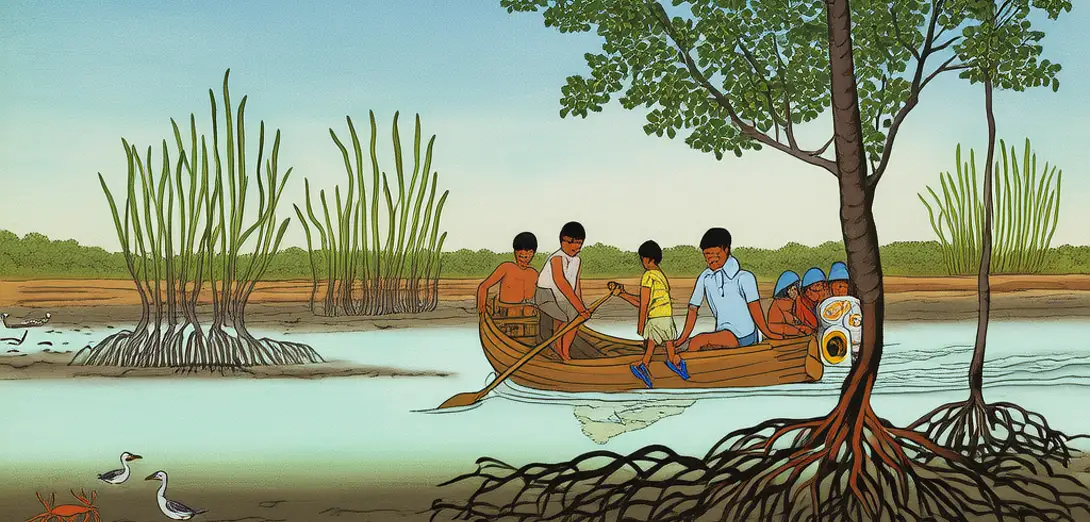
Monsoon-Driven Mangrove Succession and Sundarbans Fisherfolk’s Intertidal Memory
季风驱动的红树林演替与孙德尔本斯渔民潮间带记忆
-
Sundarbans fisherfolk in Bangladesh and India navigate tidal creeks not by GPS coordinates but through generations of memorized mangrove species zonation tied to monsoon intensity and salinity gradients.孟加拉国和印度的孙德尔本斯渔民不靠GPS坐标,而是依靠代代相传的记忆——将红树林物种分布与季风强度及盐度梯度挂钩,来穿行于潮汐水道。
-
Each cyclone season reshapes the archipelago, yet elders reconstruct lost islands using sediment-layer descriptions embedded in boat-building chants and net-mending rhymes.每年气旋季都会重塑群岛地貌,但长者凭借船匠歌谣与织网口诀中嵌入的沉积层描述,重建消失的岛屿。
-
Mangrove succession is tracked by bark texture changes in sundari trees—smooth indicates freshwater influx, fissured signals saltwater intrusion—and guides seasonal fishing ground selection.通过观察娑罗双树树皮纹理变化追踪红树林演替:光滑表示淡水涌入,龟裂则预示咸水入侵,以此指导季节性渔场选择。
-
Post-cyclone recovery plans now integrate fisherfolk’s ‘tide-memory maps’, which encode decades of erosion/accretion patterns far exceeding satellite record lengths.灾后恢复计划如今纳入渔民的‘潮汐记忆地图’,其中记载数十年来的侵蚀与淤积模式,远超卫星观测时长。
-
Nursery grounds for tiger prawns are identified not by larval surveys alone but by the presence of specific crab burrows whose depth correlates with optimal salinity windows.虎虾苗圃的识别不仅依赖幼体调查,更依靠特定蟹洞的存在——其深度与最佳盐度窗口呈正相关。
-
Youth marine education combines drone shoreline mapping with oral histories detailing how ancestors relocated entire villages following ‘the year the roots turned white’—a sign of acute soil acidification.青年海洋教育融合无人机海岸测绘与口述史,后者讲述祖先如何在‘根变白之年’——土壤严重酸化的征兆——整体迁村。
-
Monsoon onset is forecast by observing firefly bioluminescence frequency in pneumatophores, a correlation recently validated by photometric sensor studies.季风来临时间通过观测呼吸根中萤火虫生物荧光频率预测,该关联近期获光度传感器研究证实。
-
Fisher cooperatives use tidal rhythm knowledge to time mangrove honey harvesting, avoiding periods when floral nectar concentration drops due to saline stress.渔民合作社依据潮汐节律安排红树林蜂蜜采收,避开因盐胁迫导致花蜜浓度下降的时段。
-
Conservation policies now mandate ‘memory audits’—structured interviews capturing intertidal knowledge before elders pass—before approving new embankment projects.保护政策现强制要求开展‘记忆审计’——即在长者离世前,通过结构化访谈系统采集潮间带知识——方能批准新建堤坝项目。
-
This epistemology treats the mangrove forest not as static ecosystem but as a palimpsest of monsoonal memory inscribed in root, tide, and tongue.这种认知体系不将红树林视作静态生态系统,而视为由季风记忆写就的活态手稿,铭刻于根系、潮汐与言语之中。
-
Coastal resilience emerges not from hardened infrastructure but from sustained transmission of hydrological literacy across lifetimes.海岸韧性并非源于硬质基础设施,而来自水文素养在世代间的持续传承。
-
The Sundarbans thus functions as a living archive where every root, tide, and story participates in climate negotiation.因此,孙德尔本斯本身即是一座活态档案馆,每一处根系、每一次潮汐、每一段故事,皆参与气候应对。