正在确认阅读权限…
Andean Verticality Revisited: Terraced Memoryscapes and Post-Mining Water Justice in Potosí
安第斯垂直性再审视:波托西的梯田记忆地景与后采矿时代水正义
-
Potosí’s colonial silver mines fractured hydrological continuity across 3,000 vertical meters of the Cordillera Real.波托西殖民时期的银矿开采,切断了雷亚尔山脉3000米垂直高差内的水文连续性。
-
Contemporary water conflicts arise not only from scarcity but from contested ownership of pre-Hispanic qanat-like infiltration channels.当今的水资源冲突不仅源于短缺,更源于对前西班牙时期类似坎儿井的渗流渠所有权的争议。
-
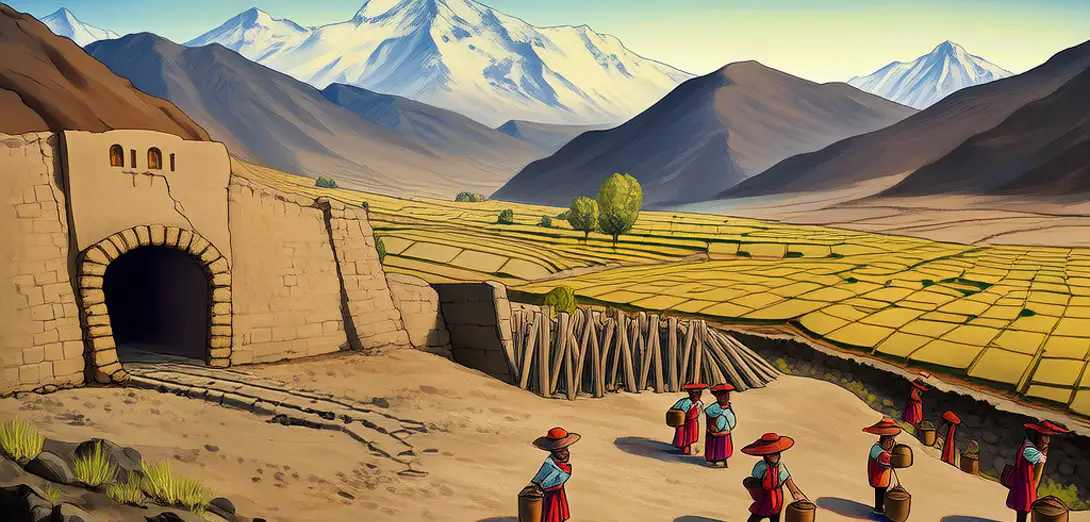
Indigenous communities maintain ceremonial irrigation schedules tied to solstice-aligned terraces, not municipal reservoir releases.原住民社区仍依循与冬至、夏至对齐的梯田举行仪式性灌溉,而非依据市政水库放水时间。
-
Mining tailings still leach arsenic into high-altitude wetlands that feed downstream agricultural valleys.采矿尾矿仍在向高原湿地持续渗漏砷,而这些湿地正是下游农业河谷的水源。
-
Water tribunals now convene on ancient terraces—spaces where hydrological authority was historically negotiated, not decreed.如今的水事法庭设在古老梯田之上——此处历来是协商而非颁布水权的地方。
-
Hydrologists map subterranean flow paths using oral histories of ancestral spring locations, not just geophysical surveys.水文学者借助关于祖源泉眼位置的口述史,而不仅靠地球物理勘测,来绘制地下水流路径。
-
Urban migrants from mining towns reintroduce ritual offerings at canal intakes, reframing infrastructure as relational rather than technical.来自矿业城镇的城市移民在渠道取水口重新引入仪式供奉,将基础设施重构为关系性存在,而非纯技术设施。
-
The state’s ‘modernization’ projects often bypass these layered hydro-social contracts, triggering localized noncompliance.国家所谓‘现代化’项目常绕过这些层叠交织的水-社会契约,引发地方性抵制。
-
Terrace restoration has become both ecological practice and legal argument in water rights litigation before Bolivia’s Plurinational Court.梯田修复既是一种生态实践,也成为玻利维亚多元民族法院水权诉讼中的法律论据。
-
Verticality here signifies not just elevation but stratified time—where colonial extraction, Inca engineering, and Quechua cosmology coexist in runoff.此处的‘垂直性’不仅指海拔高度,更象征分层的时间——殖民开采、印加工程与克丘亚宇宙观在径流中并存。
-
Water justice demands recognizing aquifers as ancestral archives, not merely hydraulic assets to be optimized.水正义要求将含水层视为祖先记忆的档案,而非仅待优化的水力资产。
-
Potosí reveals how landscape morphology encodes jurisdictional memory far more durably than statutes.波托西揭示:地貌形态所承载的管辖权记忆,远比成文法更为持久。