正在确认阅读权限…
Why Governments Tax Carbon Instead of Just Regulating It
为何政府对碳排放征税而非仅靠监管
-
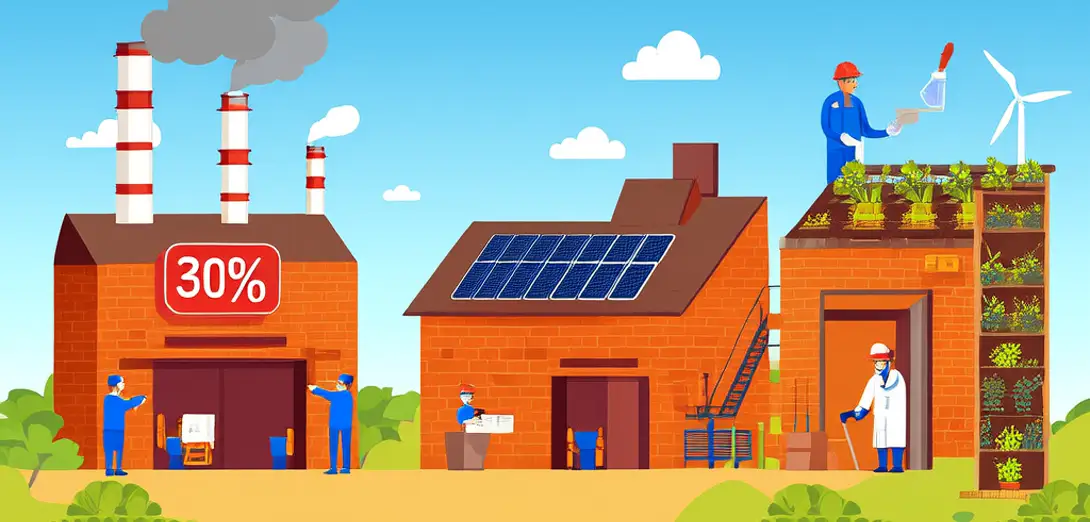
Telling factories to cut emissions by 30% gives clear direction—but offers no incentive to go beyond that target or adopt cleaner methods early.要求工厂减排30%虽指明方向,却未激励企业超额完成或及早采用更清洁技术。
-
A carbon tax makes pollution expensive, encouraging firms to compare options: upgrading equipment, switching fuels, or redesigning processes.碳税抬高污染成本,促使企业权衡选择:更新设备、更换燃料或改进工艺。
-
Revenue from such taxes can fund renewable energy grants, public transport upgrades, or rebates for households facing higher heating bills.此类税收收入可用于资助可再生能源补贴、升级公共交通,或向取暖费上涨的家庭发放返利。
-
Unlike rigid quotas, price-based tools let markets decide *how* reductions happen—whether through efficiency gains, innovation, or behavioral shifts.与僵化的配额制不同,基于价格的工具让市场自主决定减排方式——无论是提升能效、推动创新还是改变行为。
-
When fuel prices rise predictably due to carbon pricing, consumers and companies plan ahead—buying electric vehicles or insulating homes before crises hit.当碳定价带来可预期的燃油价格上涨时,消费者和企业会提前规划——在危机发生前购买电动车或为房屋加装保温。
-
Carbon taxes apply broadly, avoiding loopholes that arise when regulations cover only certain sectors or technologies.碳税覆盖面广,避免了仅针对特定行业或技术的监管所导致的漏洞。
-
They also create stable signals for investors: knowing the cost of emissions helps justify long-term bets in green hydrogen or battery recycling.它还为投资者提供稳定信号:明确排放成本,有助于支撑对绿氢或电池回收等长期绿色投资。
-
Critics worry about fairness—but well-designed systems include protections, like direct payments to lower-income households or regional reinvestment funds.批评者担忧公平性,但设计完善的制度包含保障措施,例如向低收入家庭直接发放补贴,或设立地区再投资基金。
-
Pricing carbon respects local knowledge: a farmer in Iowa and a manufacturer in Ohio will find different, context-appropriate ways to reduce their footprint.碳定价尊重地方实际:爱荷华州的农民与俄亥俄州的制造商,自会因地制宜采取不同减碳方式。
-
It shifts responsibility from enforcement agencies to everyday decisions—what you drive, heat, eat, and power.它将责任从执法机构转向日常选择——你开什么车、如何供暖、吃什么、用什么能源。
-
No single policy solves climate change—but carbon pricing aligns private incentives with collective well-being more flexibly than top-down mandates.单一政策无法解决气候变化,但碳定价比自上而下的强制命令更能灵活协调私人利益与公共福祉。
-
The goal isn’t perfection—it’s embedding environmental cost awareness into economic choices, quietly and continuously.目标并非完美,而是悄无声息、持续不断地将环境成本意识融入经济决策。