正在确认阅读权限…
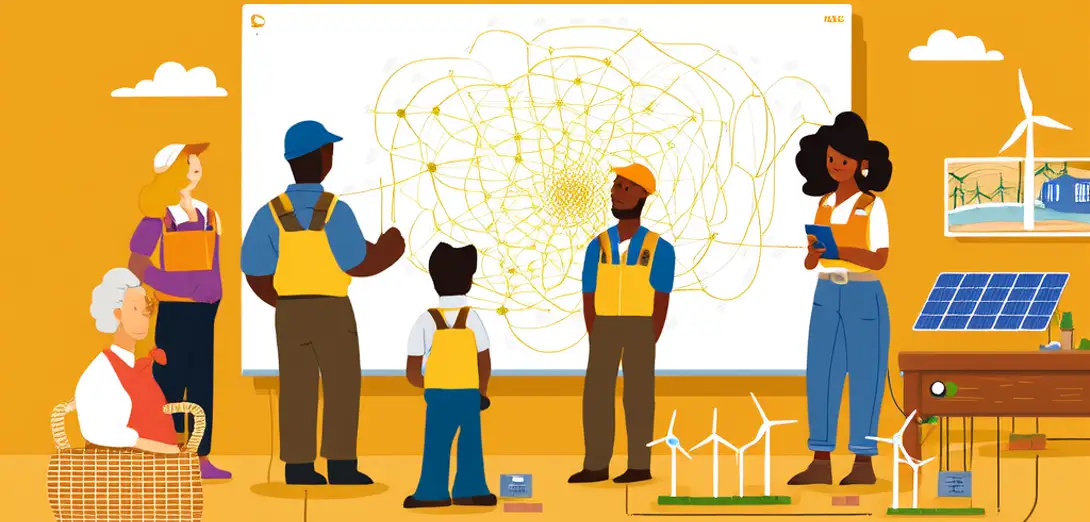
Interdisciplinary Thinking: When Engineering Meets Social Policy
跨学科思维:当工程与社会政策交汇
-
Designing a smart grid isn’t only about transformers and latency — it requires understanding tariff structures, equity concerns in rural electrification, and regulatory timelines.设计智能电网不仅关乎变压器和延迟,还需理解电价结构、农村电气化中的公平性问题以及监管时间表。
-
Civil engineers who draft flood-resilient infrastructure must engage municipal planners, insurance actuaries, and community advocates — not just hydrology models.制定防洪基础设施的土木工程师,不仅要参考水文模型,还需与市政规划师、保险精算师和社区倡导者协作。
-
The rollout of 5G small cells illustrates how spectrum allocation decisions made in Geneva directly affect urban construction codes and local zoning hearings.5G小基站的部署表明,日内瓦做出的频谱分配决策,会直接影响城市建筑规范和地方分区听证会。
-
Technical solutions fail without attention to behavioral adoption: solar microgrids succeed in Bangladesh not because of PV efficiency alone but due to pay-as-you-go financing aligned with informal labor income flows.技术方案若忽视行为采纳,便会失败:孟加拉国太阳能微电网的成功,不仅源于光伏效率,更得益于与非正规劳动收入流匹配的‘按需付费’融资模式。
-
Policy documents increasingly embed technical annexes — e.g., carbon accounting methodologies in corporate ESG reports — requiring STEM-literate communicators who bridge domains.政策文件日益嵌入技术附件——例如企业ESG报告中的碳核算方法——亟需兼具STEM素养与跨领域沟通能力的人才。
-
Universities now offer dual-degree programs in engineering + public policy, recognizing that algorithmic bias audits demand both coding fluency and legal reasoning.高校现已开设工程学+公共政策双学位项目,认识到算法偏见审计既需编程能力,也需法律推理能力。
-
Cross-sector projects like green hydrogen production require chemists to negotiate with port authorities, maritime insurers, and EU subsidy administrators simultaneously.绿色氢气生产等跨领域项目,要求化学家同时与港口管理部门、海事保险公司及欧盟补贴主管部门谈判。
-
Miscommunication between technical and policy teams often stems not from ignorance but from differing definitions of ‘risk’: probabilistic failure rates versus electoral consequences.技术团队与政策团队之间的误解,往往并非源于无知,而是对‘风险’定义不同:概率性故障率 vs. 选举后果。
-
Effective interdisciplinary work relies on shared mental models — e.g., visualizing energy storage as both a physics system and a financial arbitrage opportunity.有效的跨学科协作依赖共享心智模型——例如,将储能系统既视为物理系统,也视为金融套利机会。
-
Global challenges — pandemic response, climate adaptation, digital inclusion — resist siloed expertise; they reward those fluent in multiple professional dialects.全球性挑战——疫情应对、气候适应、数字包容——无法靠单一领域专长解决,而青睐通晓多种专业话语的人才。
-
This literacy isn’t about becoming an expert in all fields, but developing disciplined curiosity and translation habits across knowledge boundaries.这种素养并非要求成为所有领域的专家,而是培养跨越知识边界的严谨好奇心与翻译习惯。