正在确认阅读权限…
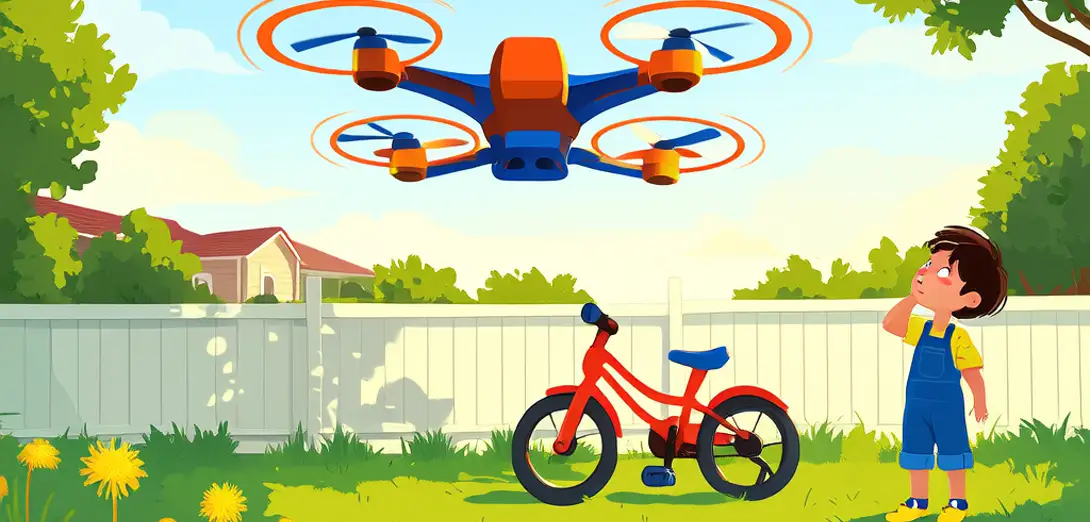
Quadcopter Dynamics: Why Four Rotors Enable Precise Hover and Turn
四旋翼动力学:为何四个旋翼可实现精准悬停与转向
-
A quadcopter achieves stable hover not by equal thrust alone, but by balancing four independent torque vectors — two clockwise, two counterclockwise — to cancel rotational drift.四旋翼稳定悬停不仅靠推力均衡,更需平衡四个独立扭矩矢量——两个顺时针、两个逆时针——以抵消旋转漂移。
-
Pitch and roll control rely on differential thrust: increasing front rotor speed while decreasing rear speed generates forward acceleration without tilting the entire airframe.俯仰与横滚控制依赖差动推力:前旋翼加速、后旋翼减速可产生前向加速度,而无需整体机身倾斜。
-
Yaw rotation occurs when asymmetric torque imbalance exceeds aerodynamic damping — a subtle effect requiring precise PWM timing and propeller pitch calibration.偏航旋转源于不对称扭矩失衡超过气动阻尼——这一细微效应要求精确的PWM时序与桨距校准。
-
Unlike helicopters, quadcopters lack mechanical swashplates; attitude control is purely electronic, demanding real-time fusion of gyroscope, accelerometer, and barometer data.与直升机不同,四旋翼无机械倾斜盘;姿态控制纯靠电子实现,需实时融合陀螺仪、加速度计与气压计数据。
-
Battery voltage sag under load introduces nonlinearities: at 20% charge, identical PWM signals yield 12% less thrust, forcing adaptive PID gain scheduling.负载下电池电压跌落会引入非线性:电量剩20%时,相同PWM信号产生的推力下降12%,迫使PID增益自适应调度。
-
Wind gusts expose coupling effects — a lateral push doesn’t just shift position but induces unwanted yaw unless corrected within 15 milliseconds.阵风暴露耦合效应——横向推力不仅导致位置偏移,还会引发意外偏航,须在15毫秒内修正。
-
Commercial drones embed redundancy: if one motor fails, remaining rotors redistribute thrust and adjust angular momentum to enable controlled descent — not crash avoidance.商用无人机内置冗余机制:单电机失效时,其余电机重新分配推力并调节角动量,实现可控降落而非单纯避撞。
-
Urban flight regulations now constrain maximum angular acceleration to limit bystander discomfort from rapid orientation shifts during automated parcel delivery.城市飞行新规限制最大角加速度,以减少自动快递配送中快速姿态变化给旁观者带来的不适感。
-
Flight controllers run at 500 Hz minimum, ensuring attitude corrections occur faster than human vestibular response time — critical for VR-integrated piloting.飞控运行频率不低于500 Hz,确保姿态修正快于人体前庭响应时间——这对VR集成操控至关重要。
-
Material choice matters acoustically too: carbon-fiber booms dampen harmonic resonance, reducing 3–5 kHz noise that triggers avian panic near wildlife reserves.材料选择亦影响声学特性:碳纤维机臂可抑制谐振,降低3–5 kHz频段噪声,避免在野生动物保护区惊扰鸟类。
-
For engineers, quadcopter dynamics illustrate how simplicity in mechanical design enables complexity in control theory — a hallmark of elegant electromechanical systems.对工程师而言,四旋翼动力学揭示了机械设计的简洁性如何支撑控制理论的复杂性——这正是精巧机电系统的标志。