正在确认阅读权限…
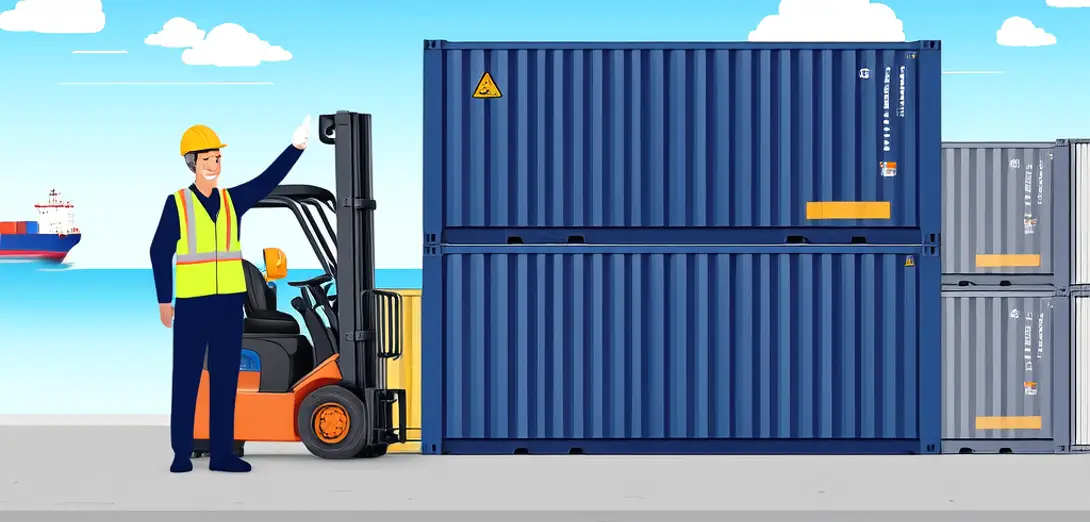
Marking & Labeling Compliance: From Stack Height to Humidity Thresholds
唛头与标识合规:从堆码极限到湿度阈值的技术细节
-
Stack height markings must reflect dynamic load limits—not static compression strength—as vibration during ocean transit reduces safe stacking by up to 35%.堆叠高度标识须反映动态载荷限制,而非静态抗压强度;海运途中振动会使安全堆叠高度降低最多35%。
-
Humidity-sensitive labels require substrate validation under IEC 60068-2-30 testing cycles, not just ambient lab adhesion checks.湿度敏感标签的基材需通过IEC 60068-2-30标准规定的湿热循环测试验证,而不仅依赖常温实验室附着力检测。
-
Barcode scannability degrades significantly when ink bleeds across corrugated flutes—requiring laser etching or thermal-transfer alternatives for high-moisture routes.当油墨在瓦楞纸板楞槽间晕染时,条码可扫描性显著下降;高湿度运输路线须改用激光蚀刻或热转印替代方案。
-
EU’s new labeling rules mandate QR-coded traceability links accessible offline, forcing suppliers to embed fallback text-based identifiers.欧盟新标签法规要求二维码溯源链接必须离线可用,迫使供应商嵌入备用文字标识。
-
Multilingual marking isn’t additive—it’s hierarchical: primary language follows destination market law, secondary languages serve handling personnel, not end users.多语种标识非简单叠加,而应分层级:首要语言须符合目的地市场法规,次要语言面向操作人员,而非终端用户。
-
Fluorescent safety markings must comply with ISO 3864-4 luminance thresholds measured under simulated warehouse lighting—not daylight conditions.荧光安全标识须满足ISO 3864-4标准规定的亮度阈值,且测量须在模拟仓库照明条件下进行,而非日光条件。
-
Laser-etched markings on metal components withstand salt-spray corrosion far better than inkjet prints—but require material-specific power calibration.金属部件上的激光蚀刻标识耐盐雾腐蚀能力远超喷墨打印,但需按材料特性校准激光功率。
-
Regulatory agencies now audit label durability through accelerated aging chambers simulating 12-month shelf life—not just 72-hour immersion tests.监管机构现通过加速老化试验舱模拟12个月货架期来审核标签耐久性,而不仅限于72小时浸渍测试。
-
Pallet-level RFID tags must survive forklift impact forces exceeding 10G—yet most compliance checks test only read-range performance.托盘级RFID标签须承受超过10G的叉车冲击力;但多数合规检测仅测试读取距离性能。
-
Ultimately, marking compliance merges materials science, ergonomics, and regulatory foresight—where legibility, longevity, and legality intersect.归根结底,标识合规性融合材料科学、人因工程与法规前瞻性——清晰度、持久性与合法性在此交汇。