正在确认阅读权限…
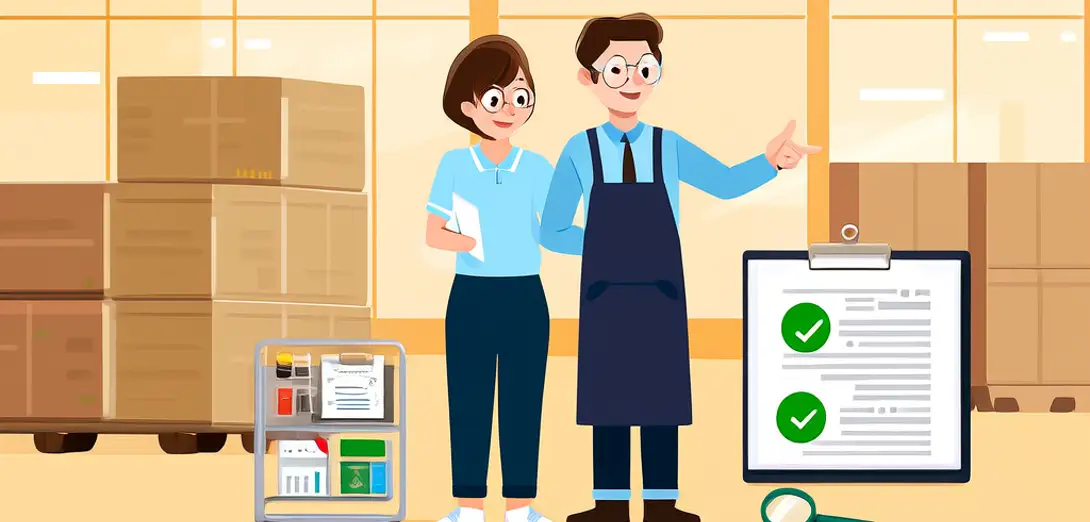
Final Inspection Closure: Release Letters and Corrective Action Loops
尾期验货:放行条与整改闭环
-
Final inspection is not a checkpoint but the final node in a continuous quality dialogue between buyer and supplier.最终检验不是一道关卡,而是买方与供应商之间持续质量对话的终点。
-
When nonconformities emerge, the release letter must explicitly reference corrective actions, timelines, and verification methods—not just approval status.发现不合格项时,放行函必须明确说明纠正措施、时限及验证方法,而不仅注明批准状态。
-
A signed waiver without documented root-cause analysis risks normalizing deviations rather than eliminating them systemically.未附根本原因分析记录的签字豁免,可能使偏差常态化,而非系统性消除。
-
Buyers increasingly require photographic evidence and third-party timestamps for each reopened defect before granting conditional release.买方日益要求对每次重新开启的缺陷提供照片证据及第三方时间戳,方予有条件放行。
-
The language of the release letter matters: 'accepted with reservation' carries legal weight distinct from 'provisionally cleared'.放行函措辞至关重要:‘保留接受’具有区别于‘临时放行’的法律效力。
-
Suppliers who treat correction as transactional often miss opportunities to embed process improvements into future production runs.将整改视为交易行为的供应商,往往错失将流程改进嵌入后续生产批次的机会。
-
Cross-functional alignment—QC, logistics, and procurement—is essential before issuing any release documentation.签发任何放行文件前,质检、物流与采购部门须达成跨职能共识。
-
Digital audit trails now supplement paper-based release letters, enabling real-time visibility across time zones and departments.数字审计轨迹现已补充纸质放行函,实现跨时区、跨部门的实时可视。
-
Regulatory exposure intensifies when release letters omit traceability links to specific batch IDs or test reports.若放行函缺失与特定批号或检测报告的可追溯关联,监管风险将加剧。
-
Contractual clauses on final inspection must define consequences for unverified reopenings—not just pass/fail outcomes.合同中关于最终检验的条款,须明确定义未经验证即重新开启的后果,而非仅规定通过/不通过结果。
-
A mature supply chain treats every release letter as both a closure and a data point for predictive compliance modeling.成熟的供应链将每份放行函既视作闭环,也视为预测合规建模的数据点。
-
Ultimately, release is not permission to ship—it is evidence that learning has occurred and been institutionalized.归根结底,放行并非发货许可,而是学习已发生且已被制度化的证明。