正在确认阅读权限…
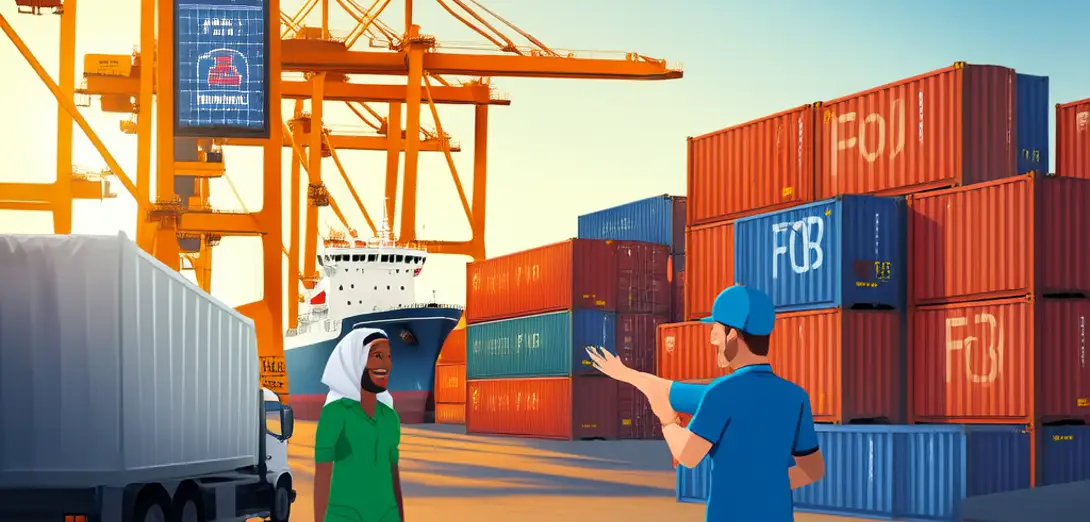
2026-D001: Incoterms® 2020 Reinterpretation Through Local Infrastructure Realities
商务沟通实务延展阅读·独立成篇(2026-D001)
-
Incoterms® are legal abstractions until tested against Lagos’ Apapa Port congestion, where FOB becomes de facto CFR due to chronic terminal delays beyond seller control.《国际贸易术语解释通则》®在拉各斯阿帕帕港拥堵现实面前只是法律抽象概念——因卖方无法控制的长期码头延误,FOB实际变成了CFR。
-
In landlocked Ethiopia, DAP is functionally meaningless without specifying which dry port—Modjo or Dire Dawa—bears unloading responsibility and customs clearance costs.在内陆国埃塞俄比亚,若不明确指定由莫焦干港还是迪雷达瓦干港承担卸货责任和清关费用,DAP便形同虚设。
-
Chilean buyers increasingly reject CIF unless the nominated carrier guarantees refrigerated container uptime, given Pacific Ocean transit variability and port-side power shortages.智利买家日益拒收CIF条款,除非指定承运人能保证冷藏集装箱全程正常运行——这源于太平洋航程不确定性及港口侧电力短缺。
-
Polish manufacturers insist on EXW only if buyer provides certified trucking partners compliant with EU ADR hazardous goods regulations—even for non-hazardous cargo.波兰制造商仅接受EXW条款,且买方须提供经欧盟ADR危险品运输法规认证的卡车合作伙伴——即使所运货物本身无危险性。
-
Vietnam’s inland waterway limitations mean FCA Ho Chi Minh City requires explicit clarification on whether 'carrier' refers to ocean line, barge operator, or bonded trucker.越南内河航道能力有限,因此‘FCA胡志明市’须明确定义‘承运人’是指远洋船公司、驳船运营商还是保税卡车公司。
-
Saudi importers now demand CIP Jeddah with insurance covering sandstorm-related moisture damage—not just marine perils—as standard practice.沙特进口商现将CIP吉达作为标准条款,并要求保险覆盖沙尘暴导致的湿损风险,而不仅限于海上风险。
-
Canadian grain exporters use DAT (now DPU) only when specifying exact rail siding coordinates, since CN Rail’s 'delivery point' varies by season and car availability.加拿大谷物出口商仅在明确指定具体铁路侧线坐标时才使用DAT(现为DPU)——因加拿大国家铁路公司(CN Rail)的‘交货点’随季节与车厢供应情况而变动。
-
The rise of bonded logistics parks in India means DAP New Delhi now implies delivery to a specific SEZ gate—not just city limits—with customs bond verification required on handover.印度保税物流园区兴起,意味着‘DAP新德里’如今指交付至特定经济特区(SEZ)大门,而非仅限城市范围,且交货时须查验海关保税凭证。
-
Kenyan buyers increasingly negotiate hybrid terms: FOB Mombasa + 'last-mile coordination fee' to cover informal port cartage and KRA pre-clearance bottlenecks.肯尼亚买家日益协商混合条款:FOB蒙巴萨 + ‘最后一公里协调费’,以覆盖非正式港口短驳及肯尼亚税务局(KRA)预清关瓶颈。
-
Russian counterparts interpret DAP Moscow strictly under Civil Code Article 458—requiring seller liability for unloading even if equipment isn’t provided—contradicting ICC guidance.俄罗斯交易方严格依据《民法典》第458条解释DAP莫斯科——卖方须承担卸货责任,即便未提供卸货设备,此与国际商会(ICC)指南相悖。
-
Incoterms® compliance today demands infrastructure mapping, not just clause selection: knowing where roads flood, where cranes lack certification, where customs officers require lunch breaks.当今《国际贸易术语解释通则》®合规不仅在于条款选择,更在于基础设施映射:须清楚道路易涝点、起重机缺认证处、海关官员需午休等实情。
-
Ultimately, the chosen term must survive the first rainy season, the third port strike, and the fourth border checkpoint—not just the contract signing.最终,所选贸易术语必须经得起首个雨季、第三次港口罢工和第四次边境检查的考验,而不仅限于签约那一刻。