正在确认阅读权限…
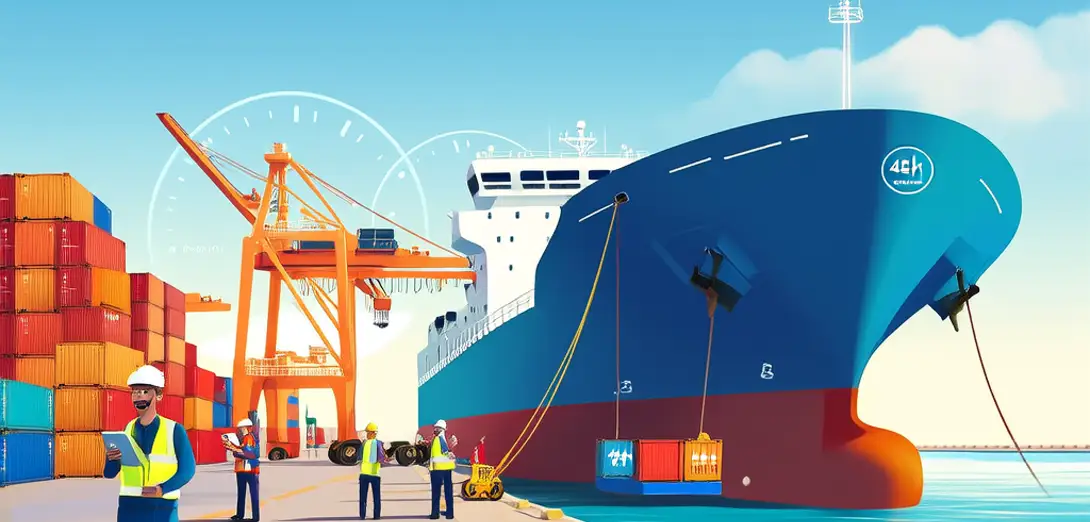
Booking Window Management: Balancing Vessel Capacity Against Demurrage Risk
订舱窗口管理:在船舶舱位供给与滞港费风险间取得平衡
-
Vessel sailings now operate on 'floating windows'—a 48-hour range instead of fixed departure times—to absorb port congestion delays.船舶航次现采用‘浮动窗口’机制——即48小时区间,而非固定离港时间——以消化港口拥堵导致的延误。
-
Booking confirmations specify 'last free day' for container dwell, not just 'free time', because detention charges accrue hourly after midnight.订舱确认书中明确标注集装箱‘最后免费日’,而不仅是‘免箱期’,因为滞箱费自午夜起按小时计收。
-
Carriers enforce 'no-show' penalties when shipments miss the cut-off by even 15 minutes, regardless of traffic or weather excuses.即便仅晚截关15分钟,承运人也会对未按时出运的货物收取‘未到场’罚金,交通或天气原因概不例外。
-
Slot allocation algorithms prioritize shippers with verified export licenses, pushing borderline cases to later voyages with tighter windows.舱位分配算法优先向持有有效出口许可证的货主配舱,将资质存疑者延至后续航次,且窗口更窄。
-
Free-time negotiations require referencing terminal-specific tariff schedules—not carrier general terms—since Pusan and Rotterdam apply vastly different rules.免箱期谈判须援引码头专属费率表,而非承运人通用条款,因釜山与鹿特丹执行截然不同的规则。
-
Demurrage calculations exclude weekends only if explicitly stated in the bill of lading clause, not assumed by industry custom.滞港费计算仅在提单条款明示排除周末时才剔除周末,行业惯例不得默认适用。
-
Pre-booking vessel tracking via AIS data helps forecast berth availability better than relying solely on carrier ETA notices.通过AIS数据预订船舶追踪,比单纯依赖承运人预计到港时间更能精准预判泊位可用性。
-
Consolidators face unique pressure: missing one LCL cutoff jeopardizes entire groupage loads, not just single containers.拼箱货代面临特殊压力:错过任一LCL截关,危及整票拼箱货物,而非单个集装箱。
-
Digital booking platforms now flag 'high-risk ports'—like Lagos or Santos—where average dwell exceeds 12 days despite published free periods.数字订舱平台现已标出‘高风险港口’(如拉各斯、桑托斯),其实际堆存期常超12天,远超公布免期。
-
Carrier contract annexes define 'vessel readiness' precisely: berthing permission, gangway access, and crane availability all trigger the clock.承运人合同附件对‘船舶就绪’定义精确:靠泊许可、舷梯通行及岸吊可用均触发计时。
-
Rebooking fees rise exponentially within 72 hours of original sail date, incentivizing early contingency planning.改订舱位费用在原航次开船前72小时内呈指数级上涨,促使尽早制定应急方案。
-
The real cost of window slippage isn’t just fees—it’s missed production cycles at downstream assembly plants.窗口偏移的真实代价不仅是费用——更是下游装配厂错失的生产周期。