正在确认阅读权限…
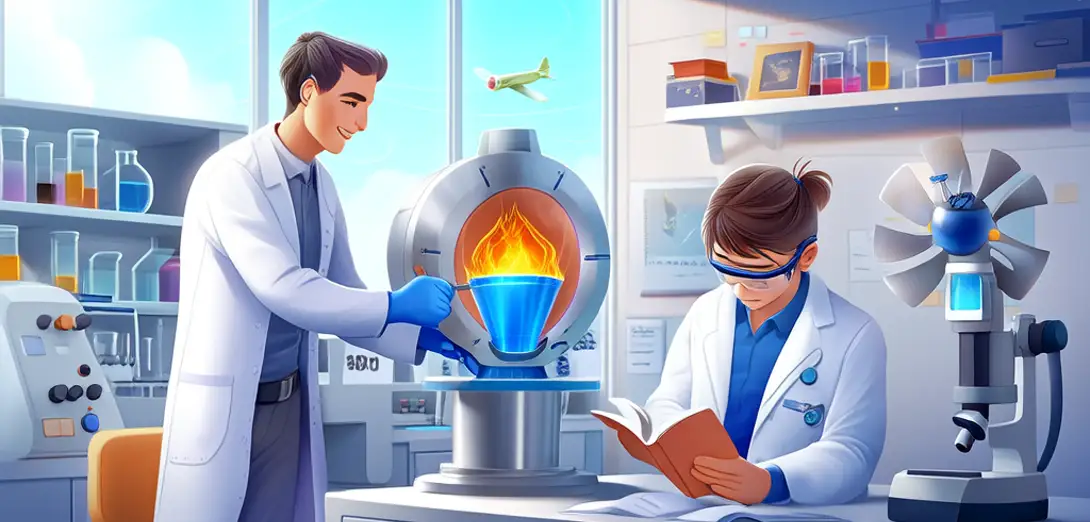
Material Innovation Cycles: From Discovery to Industrial Deployment in Advanced Alloys
科学常识延展阅读·独立成篇(2026-D007)
-
Developing a new high-entropy alloy takes 12–18 years from lab synthesis to aerospace certification—longer than most corporate R&D cycles permit.研发一种新型高熵合金,从实验室合成到获得航空航天认证需12–18年,远超多数企业研发周期。
-
The bottleneck isn’t discovery speed, but validation: fatigue life under thermal cycling must exceed 10⁷ cycles before turbine blade qualification.瓶颈不在发现速度,而在验证:涡轮叶片认证前,热循环下的疲劳寿命须超过10⁷次。
-
Additive manufacturing reshapes this timeline by enabling rapid prototyping of complex geometries previously impossible with casting or forging.增材制造重塑这一时间表,可快速打印铸造或锻造无法实现的复杂几何结构。
-
However, microstructural heterogeneity in printed parts demands new non-destructive evaluation standards—ultrasound calibration now varies by build orientation.然而,打印件微观组织不均匀性要求建立新的无损检测标准——超声校准现需按成形方向分别设定。
-
Supply chain constraints dominate commercialization: rare-earth dopants may account for <0.5% mass but dictate geopolitical sourcing risks and cost volatility.供应链制约主导商业化进程:稀土掺杂剂质量占比虽不足0.5%,却决定地缘 sourcing 风险与成本波动。
-
Materials informatics platforms now integrate quantum-mechanical simulations with decades of metallurgical failure databases to predict creep behavior.材料信息学平台现已融合量子力学模拟与数十年冶金失效数据库,预测蠕变行为。
-
Regulatory pathways differ starkly: FAA Part 33 requires full-scale engine testing, whereas ISO 13485 for medical implants prioritizes biocompatibility over mechanical extremes.监管路径差异显著:FAA Part 33要求整机发动机测试,而ISO 13485对医用植入物则优先考量生物相容性而非极端力学性能。
-
Lifecycle analysis increasingly drives alloy selection—not just strength-to-weight ratios, but embodied energy and recyclability metrics aligned with EU CSRD reporting.全生命周期分析日益驱动合金选型——不仅关注强度重量比,更纳入隐含能耗与可回收性指标,以契合欧盟CSRD披露要求。
-
Collaborative consortia like the UK’s Henry Royce Institute accelerate deployment by standardizing characterization protocols across academia and industry labs.英国亨利·罗伊斯研究所等协作联盟,通过统一高校与工业实验室表征规程加速技术落地。
-
Ultimately, material innovation succeeds when engineers stop asking ‘Can we make it?’ and start asking ‘Who maintains it—and under what contractual liability?’最终,材料创新成功的关键,在于工程师不再问‘能否造出?’,而是转向‘由谁维护?承担何种合同责任?’