正在确认阅读权限…
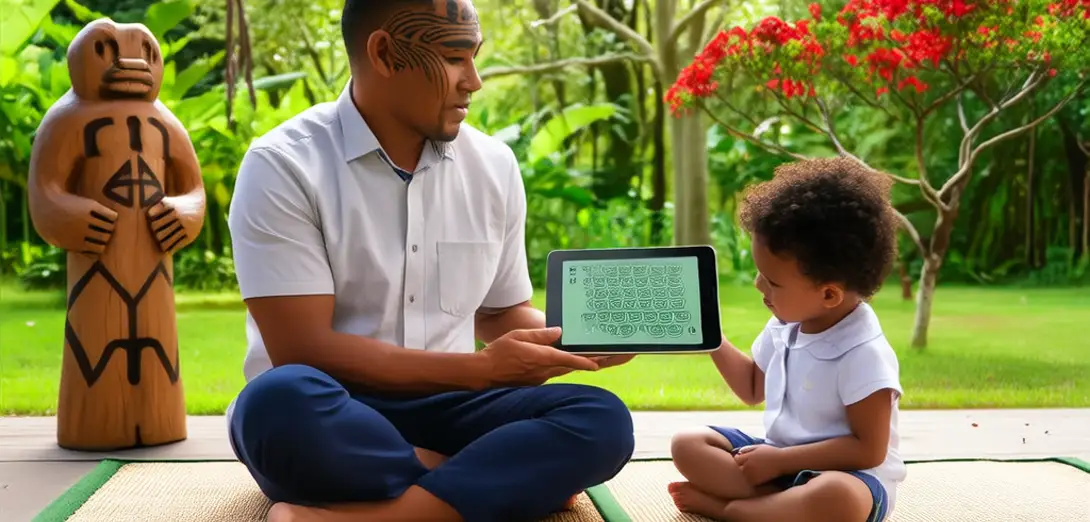
Ancestral Algorithms: Oral Histories, Digital Archives, and Intergenerational Memory Transmission
祖先算法:口述史、数字档案与代际记忆传承
-
The Māori whakapapa genealogical recitations aren’t mnemonics but computational frameworks—mapping kinship, land rights, and ecological knowledge through recursive poetic syntax.毛利人的谱系吟诵(whakapapa)并非记忆辅助工具,而是一种计算框架——通过递归式诗性语法,映射亲缘关系、土地权利与生态知识。
-
In Senegal, griots preserve centuries of Wolof royal history not in written chronicles but in tonal variations, drum rhythms, and call-and-response patterns resistant to colonial transcription.在塞内加尔,格里奥特(griot)艺人并非依靠文字编年史,而是凭借音调变化、鼓点节奏与应答式演唱模式,保存数个世纪的沃洛夫王室历史;这些形式抗拒殖民时期的文字转录。
-
Digital archivists in Nunavut collaborate with elders to tag Inuktitut oral histories with geolocated ice melt data—merging ancestral observation with climate science metrics.努纳武特的数字档案工作者与长者合作,为因纽特语口述史添加基于地理位置的海冰消融数据标签——将祖辈观察与气候科学指标相融合。
-
When Navajo Code Talkers’ WWII transmissions were declassified, linguists discovered their language’s complexity made encryption inherent—not added, but embedded in grammar.当纳瓦霍语密码员在二战期间的通信记录解密后,语言学家发现其语言本身的复杂性即构成天然加密——并非额外添加,而是深植于语法结构之中。
-
Polish historians now digitize underground Solidarity movement tapes recorded on reused X-ray film, revealing how dissident memory survived through material improvisation.波兰历史学者正将地下团结工会运动录音带数字化,这些录音曾录在重复使用的X光胶片上,揭示异议记忆如何借由物质层面的即兴创造得以存续。
-
AI voice cloning projects reconstruct lost dialects like Cornish, yet critics warn against reducing living languages to phonetic datasets divorced from speaker intention and context.人工智能语音克隆项目正重建康沃尔语等消逝方言,但批评者警告:切勿将活态语言简化为脱离说话者意图与语境的语音数据集。
-
In Colombia, Afro-descendant communities use WhatsApp groups to circulate oral histories of Pacific coast maroon settlements—turning smartphones into portable palenques.在哥伦比亚,非洲裔社群利用WhatsApp群组传播太平洋沿岸逃奴定居点(palenque)的口述史——让智能手机成为可随身携带的‘帕伦克’。
-
The Vatican’s recent release of Jesuit mission logs from Paraguay includes Guarani annotations ignored for centuries, proving indigenous scribes actively shaped colonial records.梵蒂冈近期公布的耶稣会巴拉圭传教日志中,包含被忽视数百年的瓜拉尼语批注,证实原住民抄写员曾主动参与塑造殖民档案。
-
Memory transmission shifts when elders narrate stories on TikTok: framing ancestral wisdom within platform-native formats without diluting ontological depth.当长者在抖音(TikTok)上讲述故事时,记忆传承方式随之转变:以平台原生形式承载祖辈智慧,却不减损其本体论深度。
-
Archival ethics now prioritize ‘custodianship over ownership’—requiring researchers to return digital copies to source communities with usage rights, not just access.档案伦理如今强调‘托管权优于所有权’——要求研究者不仅提供访问权限,更须将数字副本连同使用权利一并交还来源社群。
-
Oral traditions endure not because they resist technology but because they adapt transmission protocols—like West African praise poetry migrating from village squares to podcast feeds.口头传统之所以绵延不绝,并非因其抗拒技术,而在于持续调适传播机制——例如西非颂扬诗歌,已从村广场迁移到播客频道。
-
True intergenerational memory isn’t preservation but dynamic reinterpretation: each retelling recalibrates ancestral knowledge for present existential stakes.真正的代际记忆并非静态保存,而是动态再诠释:每一次重述,都依据当下生存关切,重新校准祖先知识。