正在确认阅读权限…
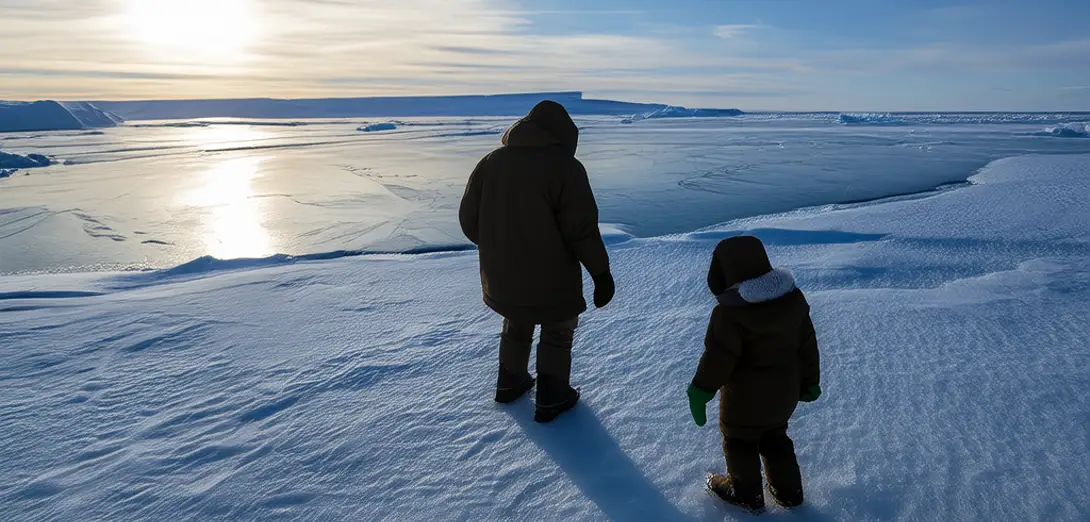
Ice as Archive: Inuit Oral Cartography and the Seasonal Grammar of Sea Ice
冰即档案:因纽特人口述制图学与海冰的季节性语法
-
For Nunavimmiut hunters, sea ice is not frozen water but a dynamically indexed archive readable through texture, hue, sound, and thermal conductivity—not satellite data.对努纳维米特猎人而言,海冰并非冻结的水,而是一本动态索引的档案,需通过质地、色泽、声音和导热性来解读,而非卫星数据。
-
Terms like ‘siguaq’ (young ice forming under snow) or ‘mattuq’ (pressure ridge with internal honeycombing) denote structural properties critical for travel safety and seal-hunting timing.诸如‘siguaq’(雪下初生冰)或‘mattuq’(内部呈蜂窝状的挤压脊)等术语,指代关乎出行安全与海豹捕猎时机的关键结构特征。
-
Oral maps passed between generations embed tidal predictions within verb tenses: future-oriented verbs attach only to ice formations proven stable over three consecutive winters.代代相传的口述地图将潮汐预测嵌入动词时态:仅当某种冰体连续三年保持稳定,才可使用表未来的动词描述它。
-
When thin ice cracks, elders interpret fracture patterns as syntactic markers—straight lines indicate wind stress, while spiral fractures signal subsurface current shifts.薄冰开裂时,长者将裂纹形态视为语法标记——直线裂纹表明风应力作用,螺旋状裂纹则提示底层洋流变化。
-
This knowledge resists transcription because its validity emerges only through iterative physical testing: a term gains lexical weight only after successful navigation outcomes are verified across seasons.这种知识难以转录成文字,因其有效性唯有通过反复实地验证才能确立:一个术语须经跨季节成功导航实践证实,方获语言分量。
-
Climate change disrupts not just ice thickness but the temporal scaffolding of this language—verbs lose referents when predicted formations fail to materialize for five years running.气候变化不仅削弱冰层厚度,更瓦解了这门语言的时间框架——若某种预判冰体连续五年未出现,相关动词便失去所指。
-
Youth-led documentation projects now pair drone footage with elder narration, treating video playback as grammatical drill rather than archival preservation.由青年主导的记录项目如今将无人机影像与长者口述结合,视视频回放为语法训练,而非单纯存档。
-
Western meteorological models treat ice as variable; Inuit epistemology treats it as interlocutor—its behavior must be listened to, questioned, and reciprocated with adjusted movement.西方气象模型将海冰视作变量;因纽特认识论则视其为对话者——须倾听其行为、质疑其状态,并以调整行动予以回应。
-
The disappearance of certain ice terms correlates more closely with ecosystem collapse than with language attrition alone.某些海冰术语的消失,与生态系统崩溃的关联远甚于单纯的语言流失。
-
Translators working with Canadian hydrographic surveys report that bilingual experts consistently override algorithmic ice classifications with vernacular assessments proven accurate in 92% of field trials.参与加拿大水文测绘的译员报告称,双语专家在92%的实地试验中, consistently 以经验证准确的方言判断取代算法冰情分类。
-
This cartography insists that environmental literacy is inseparable from ethical obligation—the ice remembers human choices, and responds accordingly.这种制图法坚持:环境素养与伦理责任密不可分——海冰铭记人类抉择,并相应作出回应。
-
To navigate here is not to conquer terrain but to sustain dialogue with a sentient, grammatical landscape.在此地航行,不是征服地形,而是与一个有感知力、具语法结构的景观持续对话。