正在确认阅读权限…
Dining as Diplomacy: Commensality, Hierarchy, and the Politics of Shared Meals
共餐即外交:共食、等级制与共享餐宴的政治
-
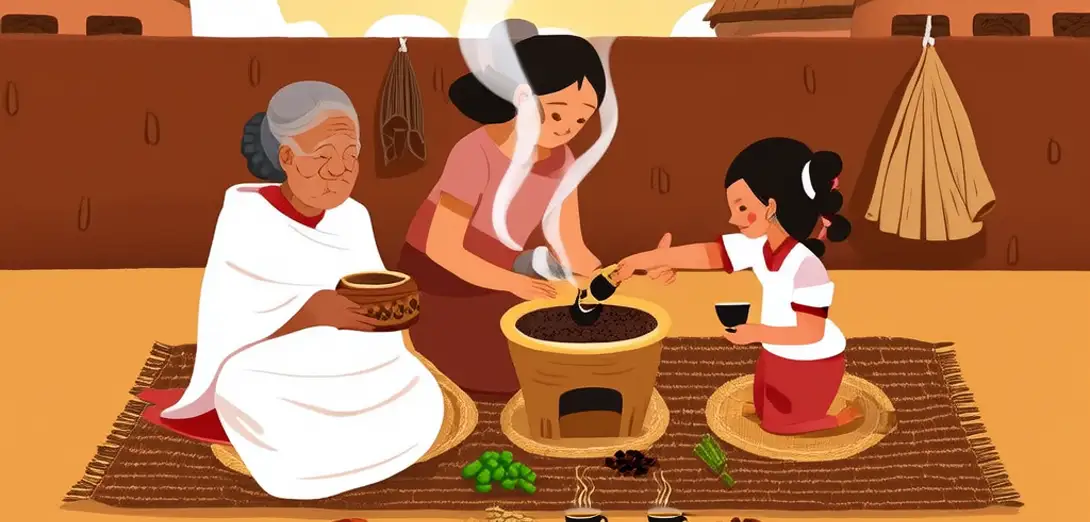
In Ethiopia, the coffee ceremony lasts two hours and involves roasting, incense, and three rounds of brewing—each cup symbolizing a stage of communal commitment, not caffeine delivery.在埃塞俄比亚,咖啡仪式持续两小时,包含烘豆、焚香和三轮冲煮——每杯咖啡象征社群承诺的一个阶段,而非提神功能。
-
Russian business dinners frequently begin with vodka toasts honoring ancestors, rivals, and future deals, embedding personal loyalty into economic exchange.俄罗斯商务宴请常以伏特加祝酒开场,致敬祖先、对手与未来合作,将个人忠诚嵌入经济往来。
-
At formal banquets in Vietnam, seating order reflects not just rank but ancestral lineage, with elders positioned facing the door to oversee both entry and exit—the threshold between family and world.越南正式宴席的座次不仅体现身份高低,更彰显祖先谱系:长辈面朝门口而坐,兼顾出入——那是家庭与外界之间的门槛。
-
In Peru, sharing a communal pot of ceviche signals solidarity across regional divides historically fractured by Andean-coastal tensions.在秘鲁,共食一锅酸橘汁腌鱼,象征跨越安第斯山区与沿海地区历史裂痕的团结。
-
French Michelin-starred kitchens maintain strict brigade hierarchies during service, yet chefs gather nightly for egalitarian family meals—a ritual sustaining cohesion amid intense status differentiation.法国米其林星级厨房服务时严守等级分明的厨政体系,但厨师们每晚共进平等家常饭——这一仪式在强烈地位差异中维系团队凝聚力。
-
The Israeli kibbutz dining hall once served as ideological theater: identical plates, rotating service roles, and collective decision-making over menus modeled socialist citizenship.以色列基布兹食堂曾是意识形态剧场:统一餐盘、轮值服务、菜单集体决策,以此演绎社会主义公民身份。
-
In Qatar, refusing food offered by a host risks implying moral judgment—not dietary preference—but modern expatriate communities now negotiate hybrid norms with halal-certified fusion menus.在卡塔尔,拒食主人所赠食物可能被视作道德评判,而非饮食偏好;如今外籍社群则通过清真认证融合菜单协商新型礼仪规范。
-
Commensality, anthropologists note, is never neutral: even buffet lines encode subtle permissions about proximity, choice, and self-service as virtue.人类学家指出,共食从不中立:即便自助餐队列,也暗含关于亲近度、选择权与自助即美德的微妙许可。
-
Corporate ‘lunch-and-learns’ in Singapore replicate traditional Chinese banquet dynamics—senior leaders serve juniors first, reversing usual authority flows to build psychological safety.新加坡企业‘午餐学习会’复刻传统中式宴席逻辑——资深领导先为新人布菜,逆转常规权力流向,以营造心理安全感。
-
Food prohibitions also function politically: India’s beef bans reframe culinary choice as civic loyalty, while South Africa’s braai tradition asserts post-apartheid nationhood through shared fire.饮食禁忌亦具政治功能:印度禁售牛肉将烹饪选择重构为公民忠诚;南非烧烤(braai)传统则借共享炉火宣示后种族隔离时代的国家认同。
-
When diplomats share meals, they don’t just break bread—they temporarily suspend sovereignty to enact interdependence through digestion.外交官共餐,不只是破除隔阂——更是暂时悬置主权,借消化过程践行相互依存。
-
The most powerful diplomatic meals are those where no one speaks of policy, yet every gesture—from pouring tea to passing salt—reaffirms mutual recognition.最具效力的外交宴席,往往全程不谈政策,而每一举动——斟茶、递盐——皆无声重申彼此承认。