正在确认阅读权限…
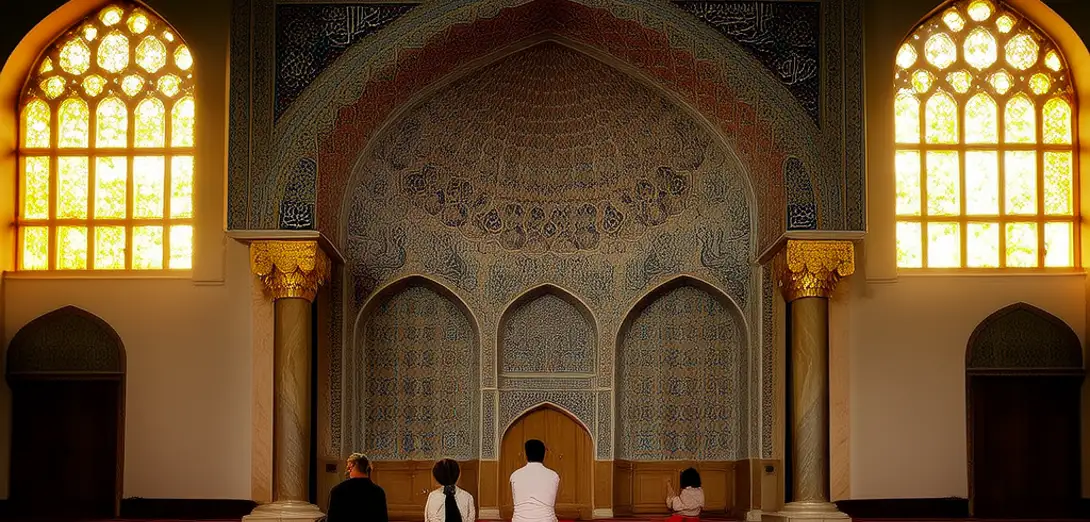
Sacred Geometry: Mosque Architecture as Embodied Theology and Community Blueprint
神圣几何:清真寺建筑作为具身神学与社区蓝图
-
The qibla wall in Istanbul’s Süleymaniye Mosque doesn’t merely indicate Mecca—it orients worshippers within a cosmic coordinate system where prayer aligns earthly action with divine geometry.伊斯坦布尔苏莱曼尼耶清真寺的朝向墙不仅指示麦加方向,更将礼拜者置于一个宇宙坐标系中,使祈祷成为 earthly 行动与神圣几何的对齐。
-
Minarets historically served acoustic functions, amplifying the adhan across topography, yet today’s mosque designs integrate directional speakers calibrated to urban noise maps.宣礼塔历史上曾起扩音作用,将唤拜声传遍地形起伏;而当今清真寺设计则整合定向扬声器,并依据城市噪音图谱校准。
-
Cairo’s Al-Azhar Mosque features fractal tilework encoding mathematical proofs from Islamic Golden Age scholars—making theology legible through pattern, not text alone.开罗爱资哈尔清真寺的分形瓷砖纹样,编码了伊斯兰黄金时代学者的数学证明——以图案而非单靠文字,使神学可读可感。
-
In Cape Town, the Bo-Kaap mosques incorporate Dutch gables and Cape Malay floral motifs, asserting Muslim identity within colonial architectural grammar without assimilation.开普敦博卡普清真寺融合荷兰山花与开普马来花卉纹饰,在殖民建筑语汇中彰显穆斯林身份,既不妥协亦不被同化。
-
The absence of pews or fixed seating in most mosques creates spatial democracy—where imams stand among congregants, and children move freely during sermons.多数清真寺不设长椅或固定座位,营造空间上的平等——伊玛目立于信众之中,儿童可在讲道时自由走动。
-
Green courtyards in Persian mosques aren’t decorative but hydrological: channeling rainwater through qanat systems to sustain gardens as metaphors for paradise on earth.波斯清真寺中的绿色庭院并非装饰,而是水文系统:通过坎儿井导引雨水,滋养花园,喻示尘世中的天堂。
-
Contemporary debates over minaret bans in Switzerland reveal how architectural elements become proxies for contested citizenship claims rather than functional concerns.瑞士关于宣礼塔禁令的当代争论表明,建筑元素已沦为公民权争议的替代表征,而非功能问题本身。
-
Mosques in Detroit repurpose abandoned factories, retaining industrial beams as structural metaphors for resilience—transforming sites of deindustrialization into centers of renewal.底特律的清真寺将废弃工厂改造再用,保留工业钢梁作为结构隐喻,象征坚韧——把去工业化遗址转化为复兴中心。
-
The mihrab’s concave shape focuses sound inward, acoustically modeling tawhid—the oneness of God—as an immersive sensory experience, not abstract doctrine.米哈拉布的内凹造型聚焦声音向内回响,以听觉方式具象呈现‘讨嘿德’(认主独一),使之成为沉浸式感官体验,而非抽象教义。
-
Urban planning regulations in Toronto now require mosque expansions to include public plazas and community kitchens, recognizing sacred space as civic catalyst.多伦多现行城市规划条例要求清真寺扩建时须包含公共广场与社区厨房,视神圣空间为激发 civic 活力的催化剂。
-
When architects collaborate with local imams and youth councils, mosque designs embed digital literacy labs alongside wudu facilities—honoring tradition while enabling contemporary agency.当建筑师与本地伊玛目及青年委员会协作时,清真寺设计便在净洗设施旁嵌入数字素养实验室——既尊重传统,又赋能当代主体性。
-
Sacred architecture endures not through static preservation but by absorbing new meanings: each brick laid in a Nairobi mosque carries prayers for refugees rebuilding lives across borders.神圣建筑之存续,不在静态保存,而在吸纳新义:内罗毕一座清真寺每一块砖石,都承载着跨越边界的难民重建生活的祈愿。