正在确认阅读权限…
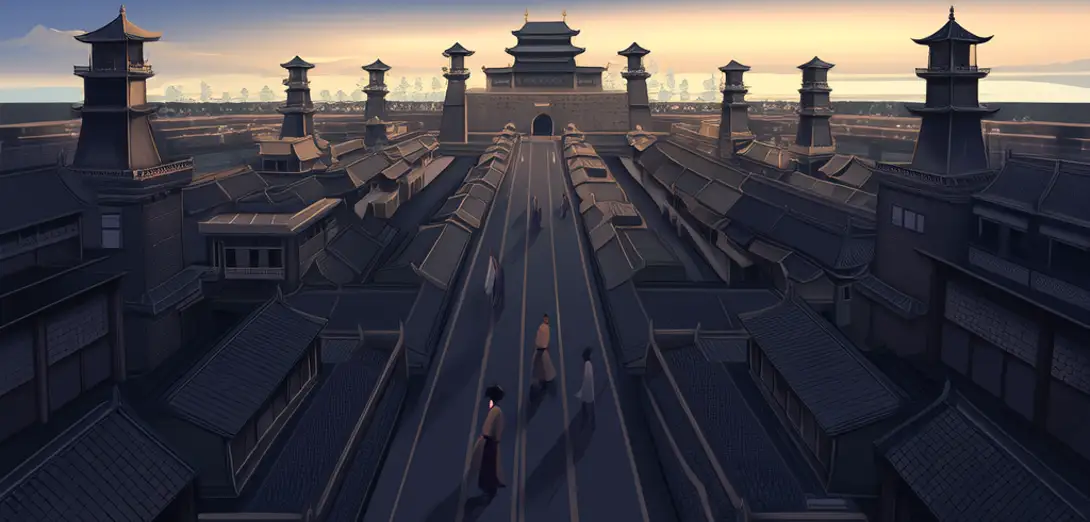
From Chang’an to Kaifeng: Urban Reconfiguration in Tang–Song Transition
从长安到开封:唐宋之际的城市重构
-
Chang’an’s rigid grid and walled坊 (fang) system reflected Tang imperial ideology, enforcing strict residential zoning and curfew-based control.长安严整的棋盘式布局与坊墙体系,体现了唐代帝国意识形态,严格划分居住区并实行宵禁管控。
-
By contrast, Kaifeng’s organic street network emerged alongside market-driven density, where commercial lanes replaced administrative boundaries.相比之下,开封有机生长的街巷网络随市场驱动的人口密度而兴起,商业街巷取代了行政边界。
-
The collapse of the fang-shi system allowed shops to open directly onto streets, transforming urban space into a continuous economic corridor.坊市制度瓦解后,店铺可直接临街开设,城市空间由此转变为连续的经济廊道。
-
State granaries and tax offices relocated near waterways, signaling a bureaucratic shift from land-based extraction to circulation-based revenue.官仓与税署迁至水道附近,标志着官僚体系从土地赋税转向流通征税的财政转型。
-
Residential neighborhoods lost their official designation, enabling occupational mixing and fostering new civic identities beyond clan or status affiliation.居民区失去官方建制,促成职业混居,催生超越宗族或身份归属的新型市民认同。
-
Printing presses, teahouses, and storytelling venues proliferated, creating informal public spheres independent of court patronage.印刷作坊、茶馆与说书场大量涌现,形成脱离宫廷庇护的非正式公共空间。
-
Municipal services like night patrols and fire brigades appeared only after merchants organized collective defense initiatives.夜间巡警与消防队等市政服务,仅在商人自发组织联防后才陆续出现。
-
This transition did not signal liberalization but rather a recalibration of state–society relations through fiscal pragmatism and surveillance adaptation.这一转变并非走向开放,而是国家与社会关系在财政务实与监控调适下的重新校准。
-
Urban elites increasingly derived influence from mercantile networks rather than hereditary office-holding or landed wealth.城市精英的影响力日益来自商贸网络,而非世袭官职或田产财富。
-
Kaifeng’s cosmopolitanism—evident in Persian, Jewish, and Khitan communities—reflected expanded maritime and overland trade integration.开封的国际化——体现于波斯、犹太与契丹社群——折射出海陆贸易网络的深度拓展。
-
Scholars now view this era less as decline than as institutional innovation under pressure from demographic and economic change.学界如今更视此时期为人口与经济压力下的制度创新,而非衰落。
-
The city thus became both archive and agent of broader transformations in governance, economy, and social imagination.城市 thus 成为治理、经济与社会想象等深层变革的档案库与推动者。