正在确认阅读权限…
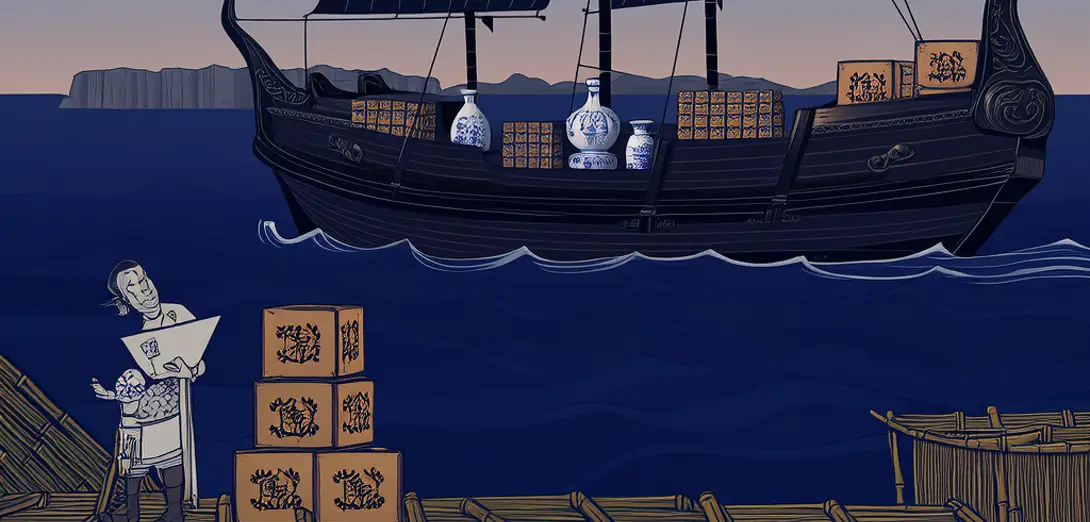
The Manila Galleon and the First Global Commodity Chain
马尼拉大帆船与首个全球商品链
-
Operating from 1565 to 1815, the Manila–Acapulco galleon route linked Ming silver demand with New World mining output via Spanish imperial logistics.1565至1815年间,马尼拉—阿卡普尔科大帆船航线通过西班牙帝国物流体系,将明朝对白银的需求与新大陆的矿产输出联结起来。
-
Silver pesos minted in Potosí financed Chinese silk, porcelain, and lacquerware—not through direct exchange but via layered intermediaries in Manila’s Parían district.波托西铸造的银元为中国的丝绸、瓷器和漆器贸易提供资金——并非直接交换,而是经由马尼拉帕里安区层层中介完成。
-
Chinese merchants dominated the supply side, yet faced periodic expulsion orders reflecting colonial anxieties about economic dependence and cultural autonomy.华人商人主导供应端,却屡遭驱逐令,折射出殖民当局对经济依赖与文化自主的焦虑。
-
The galleon’s cargo manifests reveal how ‘luxury’ goods circulated across class lines: elite Spaniards wore Nanjing silk, while indigenous Mexican artisans repurposed porcelain shards into devotional objects.大帆船货单显示,‘奢侈品’跨越阶层流通:西班牙精英身着南京丝绸,墨西哥土著工匠则将瓷器残片改造成宗教圣物。
-
Monsoon-dependent scheduling forced port cities to develop warehousing, credit systems, and multilingual notarial practices decades before similar institutions emerged in Atlantic ports.季风制约的航期迫使港口城市早早发展仓储、信贷及多语公证制度,比大西洋港口早数十年。
-
Environmental historians now trace deforestation in Luzon and mercury pollution in the Andes directly to galleon-driven extraction pressures.环境史学者如今将吕宋岛森林砍伐与安第斯山脉汞污染,直接归因于大帆船驱动的资源开采压力。
-
Religious orders used the route to disseminate theological texts, inadvertently enabling cross-Pacific debates on salvation, sin, and natural law.宗教修会借该航线传播神学典籍,无意中促成了横跨太平洋关于救赎、罪孽与自然法的论辩。
-
Unlike later colonial trade, this chain lacked a single metropole—its power flowed through nodal cities rather than hierarchical command.与后来的殖民贸易不同,这一贸易链并无单一宗主国,其权力经由节点城市而非等级化指令流动。
-
Its collapse coincided not with technological obsolescence but with Bourbon reforms that prioritized Atlantic over Pacific integration.其衰落并非源于技术过时,而是因波旁改革转向优先整合大西洋、弱化太平洋。
-
Contemporary supply-chain analytics find striking parallels in the galleon’s risk mitigation strategies: diversified sourcing, staggered departures, and embedded trust networks.当代供应链分析发现,大帆船的风险应对策略——多元采购、错峰启航、嵌入式信任网络——与今日高度相似。
-
This century-and-a-half experiment demonstrates globalization’s origins in contingency, compromise, and uneven agency—not abstract market forces.这一个半世纪的实践表明,全球化的起源在于偶然性、妥协与不均衡的能动性,而非抽象的市场力量。
-
It compels us to locate global history not in capitals or treaties but in ship holds, port ledgers, and artisan workshops.它提醒我们,全球史不在首都或条约中,而在船舱、港口账簿与匠人作坊里。